
How Professionals Remove Hidden Moisture
Author; S.Raj, M.D, Updated: 8/12/2026 Reading Time: 5 Minutes
Structural Drying After Water Damage
Imagine walking downstairs after a heavy storm or a sudden water leak — the floors are soaked, water seeps up the drywall, and you’re relieved when the last puddle is vacuumed away. But is your home truly safe just because there’s no standing water in sight? The real challenge often hides within your walls, flooring, and framing: trapped moisture.
What You’ll Learn:
Why structural drying is essential after water damage
How professionals use air movers, dehumidifiers, and advanced moisture meters
The complete step-by-step professional drying process
Factors influencing drying time and outcomes
Common mistakes and how to avoid them
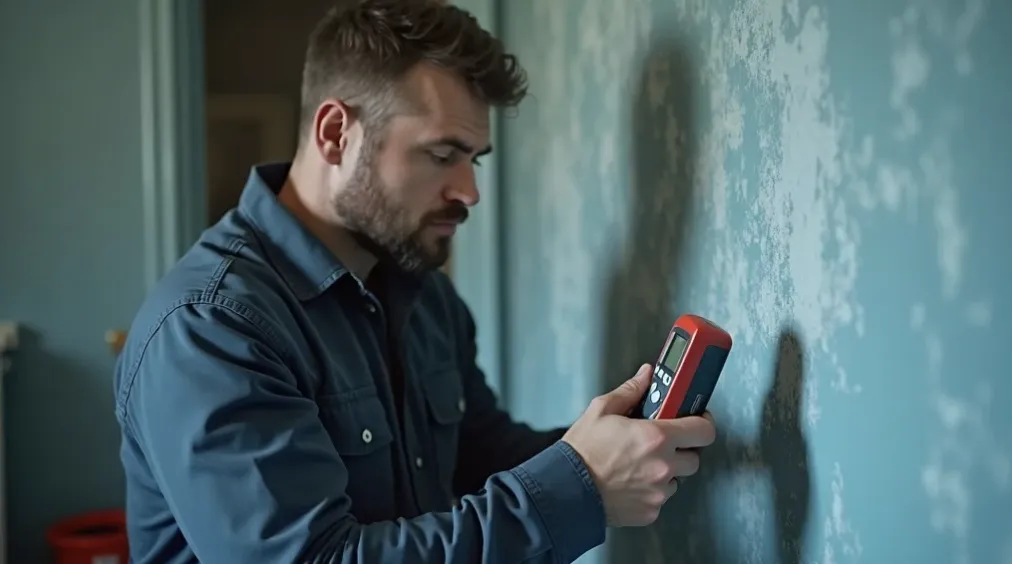
Understanding Structural Drying After Water Damage
Structural drying after water damage is a critical step that goes far beyond simply mopping up what you see. When water enters a home—whether from a flood, burst pipe, or appliance failure—it seeps into construction materials. Drywall, wood framing, subfloors, and insulation can absorb and trap moisture, which is invisible to the naked eye and can linger long after surfaces seem “dry. ” Ignoring this hidden moisture is a recipe for future issues such as mold growth, structural deterioration, and unwelcome odors. The water damage drying process includes specialized equipment and a methodical approach to ensure all affected areas reach a safe moisture level.
Unlike simple water extraction, professional structural drying systematically removes moisture from within walls, beneath floors, and inside other materials—areas that would never fully dry out on their own. Restoration experts use air movers for water damage, commercial dehumidifiers, and specialized moisture meters to monitor drying progress and confirm when your home is truly safe to rebuild or move back into. This critical process both prevents secondary damage and supports the full recovery of your property after water damage restoration.
To further understand the importance of moisture detection and the specific steps professionals take to ensure no hidden dampness remains, you may want to explore a detailed guide on how to detect hidden moisture after water damage. This resource breaks down the tools and techniques used to identify moisture that could otherwise go unnoticed.
"Structural drying removes trapped moisture from building materials and helps prepare a property for safe restoration."
What Is Structural Drying After Water Damage?
Definition and Purpose of Structural Drying After Water Damage
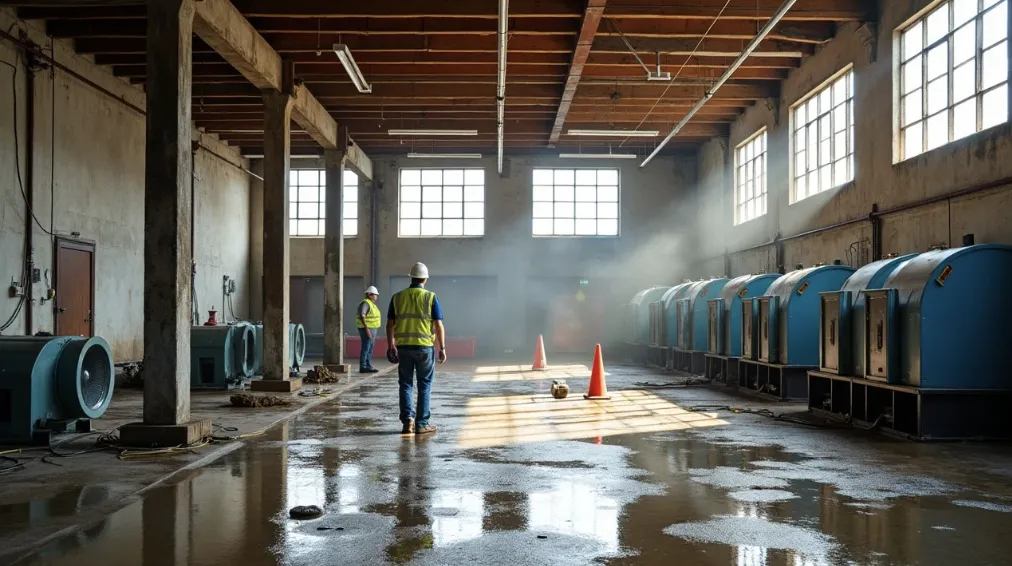
Structural drying is the scientific process of removing water that has been absorbed by building materials like drywall, wood, subfloors, framing, and insulation after a water event. While visible water is quickly extracted using vac systems and pumps, much of the real danger lingers in the form of hidden moisture. This moisture is absorbed deep into wall cavities and floors, where it can’t evaporate readily.
The major purpose of structural drying is to return the affected area to a safe, stable environment—preventing further structural damage, mold growth, and persistent odors while preserving as much of your building as possible. Effective drying protects salvageable materials and minimizes the risk of secondary water damage by reducing residual moisture that could otherwise compromise the health of your property and the people in it.
Difference Between Water Extraction and Structural Drying
There’s a big difference between water extraction and actual structural drying. Extraction is simply the act of removing standing water on the surface, using tools like wet vacs and pumps. This is the first—but not the final—step in any damage restoration. However, extraction alone leaves behind moisture embedded in porous materials, which can take days or even weeks to evaporate naturally (often without any guarantee that the area is truly dry). Structural drying, however, uses a targeted and engineered approach—using commercial drying equipment like dehumidifiers, air movers, and moisture meter tools—to force moisture out of affected structural components and guarantee that all problem areas are properly dried, not just what you can see.
Ignoring the drying process leads to incomplete restoration and costly repairs later. Proper structural drying after water damage is what makes the difference between a healthy home and chronic future problems.
The Problem of Hidden Moisture in Water Damage Restoration
One of the biggest dangers after water damage is hidden moisture. Even when walls, floors, or ceilings feel dry to the touch, water can remain trapped in wall cavities, subfloors, or behind baseboards. These hidden areas provide a perfect environment for rapid mold growth, structural wood rot, and lingering odors.
Restoration professionals use advanced moisture meters to identify areas where moisture levels are still unsafe. The only way to avoid unnecessary demolition or major repairs in the future is to locate and dry this hidden moisture before moving on to repairs or new construction. Without this step, you may later encounter stains, warping, musty smells, or even serious health concerns.
Why Structural Drying Matters in the Water Damage Restoration Process
Risks of Neglecting Hidden Moisture and Incomplete Drying Process
Failing to carry out thorough structural drying after water damage introduces serious risks. Moisture left in wall cavities, insulation, or beneath flooring can deteriorate structural integrity over time. Trapped water encourages the growth of mold spores and bacteria, leading to persistent odors and creating unhealthy living conditions. Such complications may also result in insurance complications or further property loss if reconstruction proceeds too early.
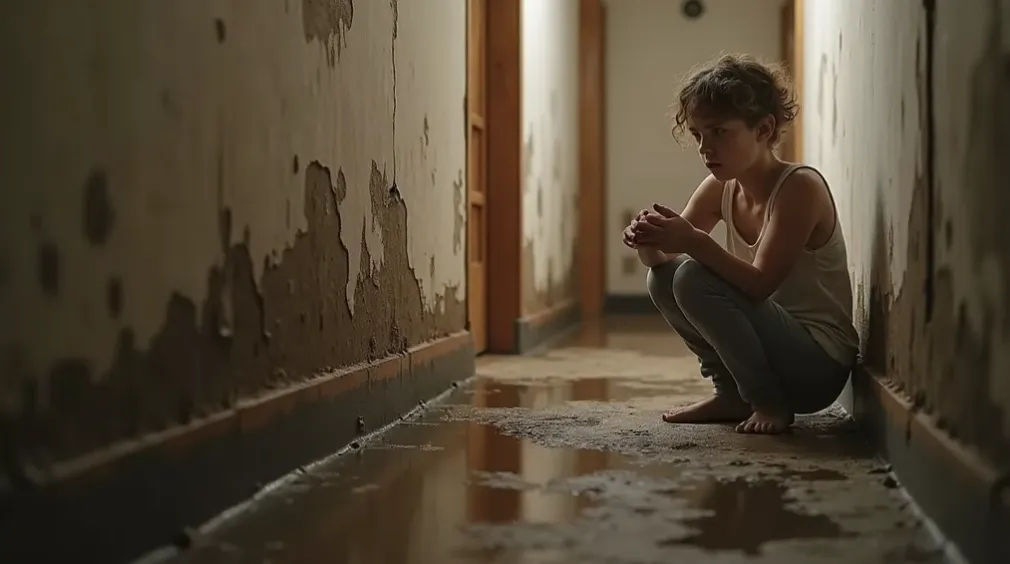
Water Damage and Secondary Risks: Mold Growth and Odors
Anywhere that moisture lingers after a water leak or flood, the risk of mold growth and persistent odors grows dramatically. Mold can begin to form in as little as 24–48 hours if conditions are right, especially in dark, undisturbed, or poorly ventilated areas behind walls or under floors. Unpleasant odors and air quality issues quickly follow.
Physical signs of incomplete drying include: recurring stains, warped wood, noisy or “soft” floors, and a musty smell that never fades. Mold remediation is much more expensive and time-consuming than taking the initial steps to ensure your home has been properly restored and is safe for you and your family.
Planning the Restoration Process to Prevent Lasting Water Damage
A successful water damage restoration process hinges on more than removing visible water. Restoration companies plan each drying project by first identifying all the affected areas, salvaging materials when possible, and determining exactly what must be done to remove trapped moisture. This planning prevents costly mistakes like repairing or painting over damp surfaces, which can cause problems months down the road. Your restoration specialist will advise you about the condition of structural materials and whether replacement or additional drying is necessary. With proper planning and professional structural drying, you minimize secondary damage, speed up your return to normal, and preserve the value of your property.
Professional Structural Drying Process Explained
Step 1: Initial Moisture Assessment and Inspection
Every professional structural drying process starts with a thorough assessment. Restoration experts use industry-standard moisture meters and sometimes thermal imaging cameras to measure dampness levels behind walls, in floors, and within ceilings. This initial measurement helps determine the full scope of water damage, especially in areas that remain invisible to the naked eye.
Data from this assessment establishes a drying baseline and identifies high-risk areas that need priority attention, allowing restoration companies to develop a targeted plan for efficient and safe moisture removal.
Step 2: Structural Drying Plan Development
Based on the assessment results, professionals craft a customized structural drying plan tailored for your property’s unique materials, layout, and degree of water damage. Plans consider all factors such as location of water intrusion, type of materials affected (drywall, wood, concrete), and area size. The goal is to maximize the salvage of building materials and minimize invasive demolition.
Critical decisions at this stage include what equipment to use, where to focus efforts, and how to protect unaffected areas from cross-contamination or additional damage during the drying process.
Step 3: Equipment Placement – Air Movers, Dehumidifiers, and Specialty Drying Tools
Strategic placement of air movers for water damage and commercial dehumidifiers is essential. Air movers create high-velocity airflow across wet surfaces to speed up evaporation. At the same time, dehumidifiers extract resulting airborne moisture, lowering the humidity and preventing condensation.
In addition, specialty tools—like wall cavity drying systems, floor mat systems, or containment barriers—target difficult spots (such as underneath hardwood or inside wall cavities), ensuring a thorough and effective drying process for even the most hidden areas.
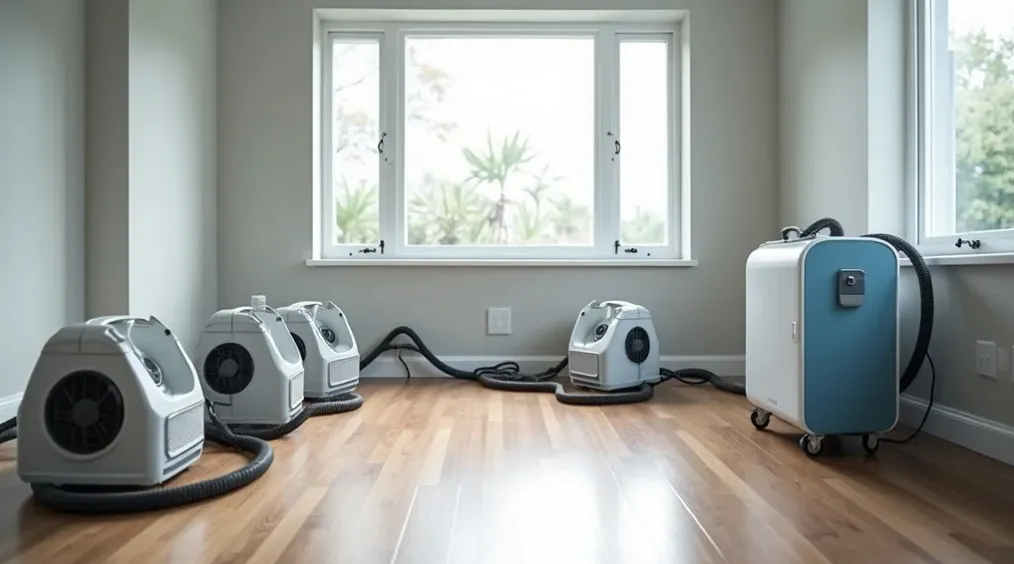
Step 4: Air Circulation, Containment, and Drying Monitoring
With equipment in place, the next step is maintaining efficient air circulation and monitoring conditions daily. Professionals adjust fan positioning and increase or decrease equipment as needed to achieve balanced drying and avoid over-drying delicate materials. In cases of extensive damage, containment barriers may be used to direct airflow or isolate affected areas, increasing drying efficiency.
This hands-on management is critical: constant monitoring using moisture meters helps tune the process as drying continues. Restoration techs may track readings multiple times a day to ensure progress remains on schedule and no hidden pockets of moisture are missed.
Step 5: Moisture Verification and Safe Equipment Removal
The final step in the structural drying process is confirming that all materials—walls, floors, framing, insulation—have reached acceptable moisture levels using professional-grade moisture meters. Only when restoration professionals are certain that your home is dry, safe, and stable should they remove drying equipment and begin repairs or reconstruction.
Proper documentation and a final inspection ensure completeness and provide peace of mind for homeowners and any involved insurance companies.
Structural Drying Workflow:
Moisture measurement with moisture meters
Strategic placement of structural drying equipment
Regular drying progress checks
Adjustment of air movers and dehumidification services as needed
Verification of dryness before restoration resumes
Structural Drying Workflow Diagram (Descriptive): Restoration professionals move through a repeated cycle of: assessment → planning → equipment setup → monitoring → adjusting → verifying dryness → equipment removal. This loop repeats until all areas are confirmed dry by moisture meters and documented for your protection.
Structural Drying Equipment Used During Water Damage Restoration
Air Movers for Water Damage: How They Accelerate Drying
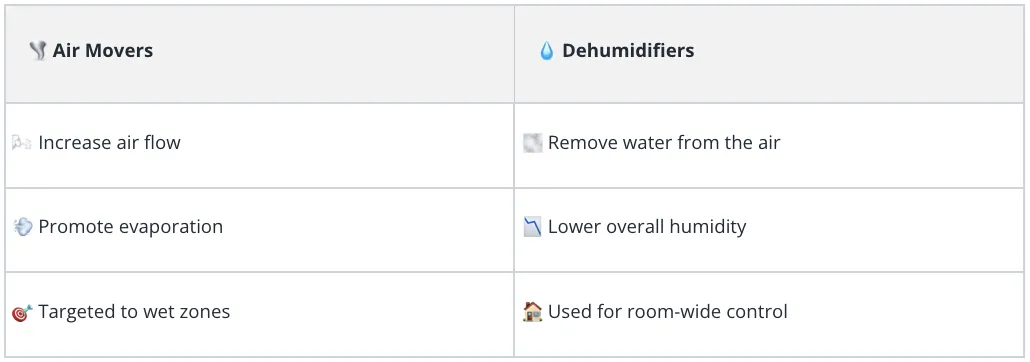
Air movers are powerful fans designed to boost evaporation by directing high-speed airflow across wet surfaces like floors, walls, and building framing. Unlike standard household fans, professional air movers are engineered for maximal air circulation, drastically reducing overall drying time. They lift moisture off the surface where it can be captured and removed by dehumidifiers.
Air movers can be positioned in a variety of configurations to focus airflow exactly where it’s needed, including under cabinets or through wall cavities to ensure no area is left untreated.
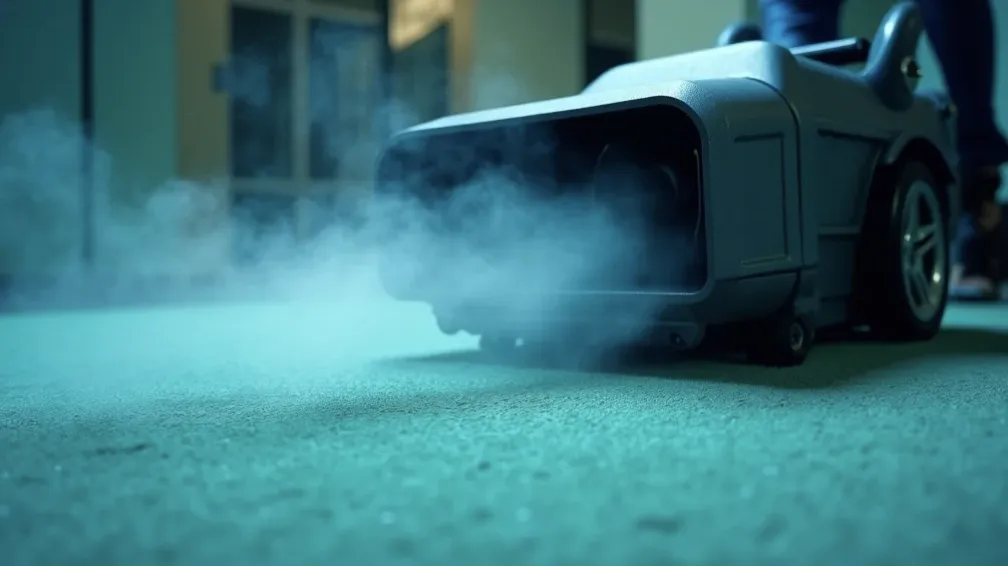
Dehumidifiers: Controlling Humidity and Supporting Moisture Removal
Dehumidifiers play a crucial role in the structural drying process by capturing water vapor from the air. As air movers lift moisture out of damp surfaces, it becomes airborne, increasing indoor humidity. Commercial dehumidifiers remove this water from the air, lowering humidity and allowing further evaporation to occur. Dehumidification services ensure that your home’s air doesn’t become saturated, speeding up the drying process and preventing issues like condensation and secondary water damage.
Professional units are far more powerful than household models, making them an essential part of any serious damage restoration project.
Moisture Meter Tools for Accurate Drying Process Tracking
Rapid and accurate moisture measurement is vital for tracking drying progress. Restoration crews routinely use a variety of handheld moisture meters—some designed for surface readings, others for deep scanning—to detect dampness in wood, drywall, masonry, or flooring materials. This data-driven approach ensures that drying is complete even where no obvious wetness remains.
Consistent use of moisture meters during the drying process provides objective proof for homeowners, restoration companies, and insurance companies that the structure is safe and thoroughly dried.
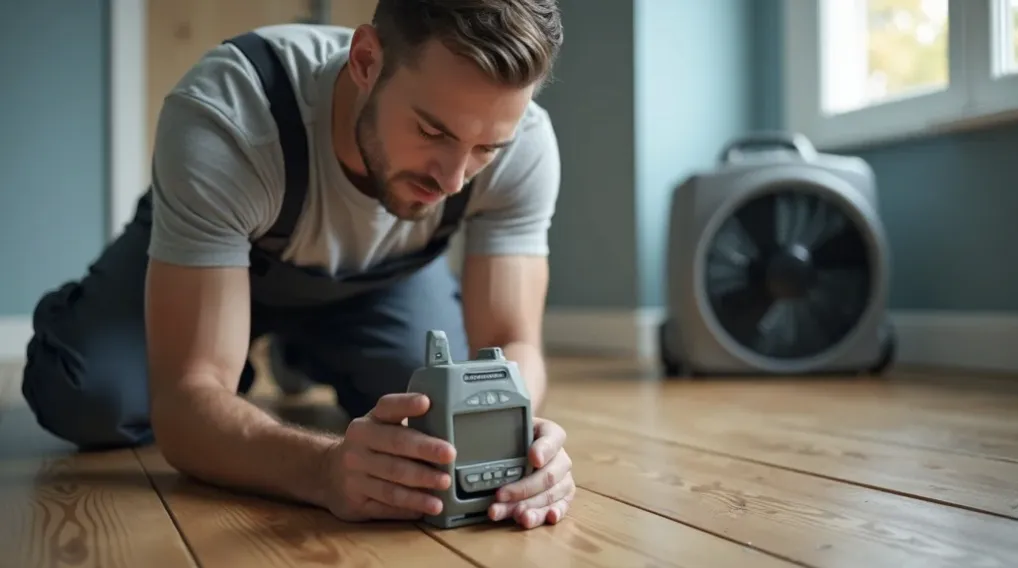
Specialty Drying Equipment: Floor, Wall, and Containment Solutions
Specialized drying technology can further target hidden moisture in hard-to-reach areas. These include wall cavity drying systems (which pump warm, dry air into wall spaces), floor drying mats (used to save hardwood flooring), and plastic containment barriers (to concentrate airflow and humidity control). Some properties require unique solutions to overcome construction challenges or limit demolition, and specialty systems make that possible.
Working together, this full suite of structural drying equipment guarantees that even the most complicated water damage restoration projects can be handled efficiently, with lasting results. careful repairs—with constant updates and moisture checks throughout for peace of mind.
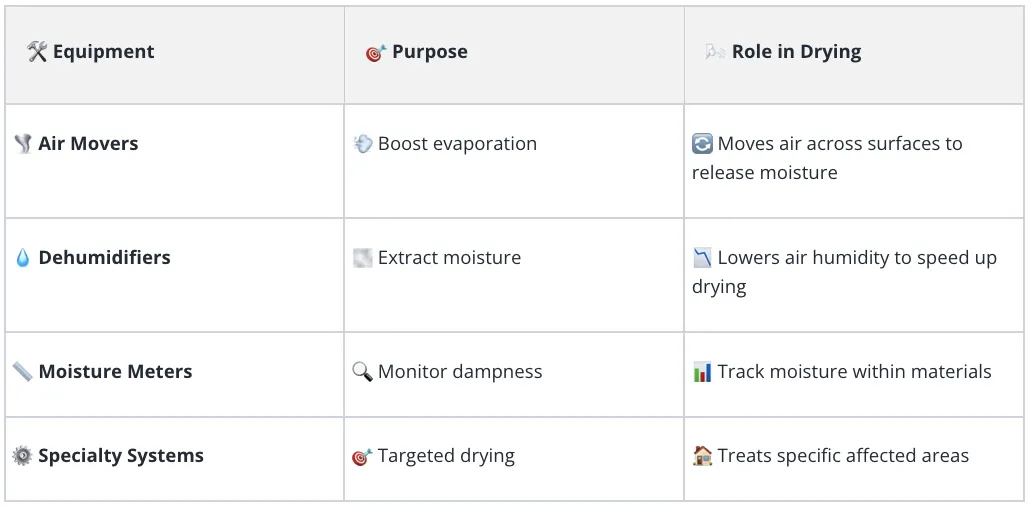
How Air Movers and Dehumidifiers Work Together for Effective Structural Drying
Evaporation and Air Circulation in Professional Structural Drying
Air movers and dehumidifiers are the dynamic duo of structural drying. Air movers continuously circulate air, pulling moisture from building materials through evaporation. Once in the air, moisture can be effectively captured only by the simultaneous use of dehumidifiers, which extract water vapor and lower humidity levels. This process creates a loop: the drier the air, the more water is drawn from materials.
Effective drying hinges on both maximizing evaporation and providing a consistent means to remove moisture from the environment, preventing air saturation and re-condensation on materials.
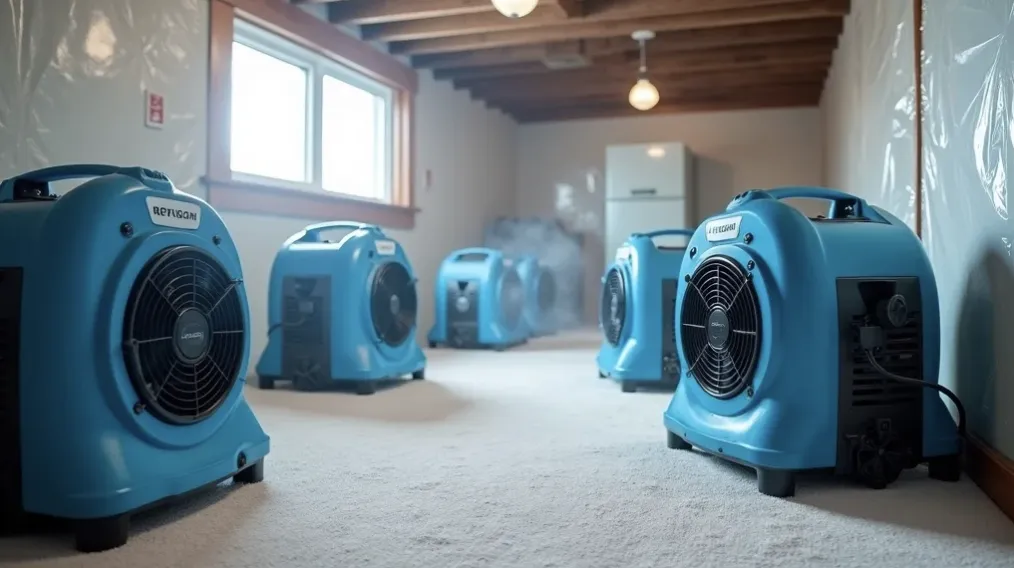
Controlling Moisture and Humidity During the Drying Process
The key to effective drying is controlling air circulation and humidity, not just moving air blindly over surfaces. Professionals monitor humidity levels closely, using both digital hygrometers and moisture meters to verify that interior environments are conducive to drying—not mold growth. They adjust the amount, size, and direction of air movers and the type of dehumidifiers deployed depending on the property and the scope of water damage.
This precision prevents secondary issues and ensures that moisture removal from all affected materials (not just surface water) is safe and complete, supporting a healthy home and a smooth transition to the restoration phase.
What Factors Affect Drying Time in Structural Drying After Water Damage?
There is no one-size-fits-all answer for how long structural drying will take, since many different variables are at play. Drying time depends on the severity of the water intrusion, the amount of water present, the porosity of affected materials, and current weather and indoor conditions (like temperature and humidity).
Other crucial factors include air flow speed, how much of the structure must be dried, and how often crew members monitor and adjust the drying equipment. Monitoring frequency is crucial because every property dries at its own rate. Professional drying methods focus on these factors to make the process as efficient and safe as possible, without sacrificing thoroughness for speed.
Key factors in drying time:
Amount of water present
Material porosity
Weather and indoor conditions
Extent of water damage
Air circulation speed
Effectiveness of drying equipment
On-site monitoring frequency
DIY Drying vs Professional Structural Drying: A Comprehensive Comparison
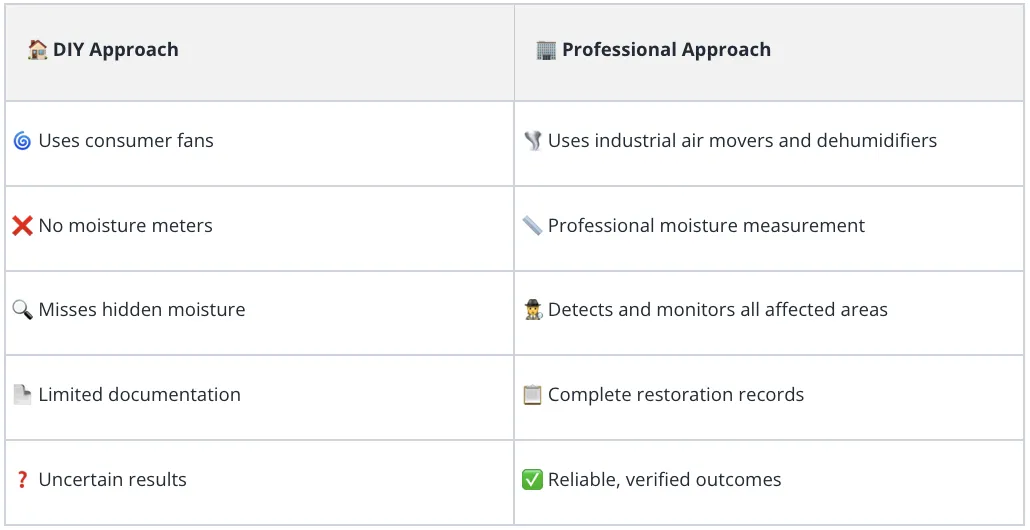
Some homeowners may attempt to dry out water damage on their own with household fans and portable dehumidifiers. While this DIY drying approach can work for minor spills or clean water on hard surfaces, it is rarely effective for significant structural drying after water damage. Without industrial-grade equipment, precise moisture monitoring, and expert oversight, hidden moisture is likely to persist and lead to costly repairs, mold growth, and incomplete restoration.
By contrast, professional structural drying delivers documented results, ensures all affected areas are dried to safe levels, and provides the peace of mind that comes from working with experienced damage restoration specialists.
Common Mistakes in Structural Drying After Water Damage
Removing equipment too soon
Using only household fans
Failing to check for hidden moisture
Skipping progress checks
Making repairs before moisture is gone
The most common mistake is removing professional drying equipment or containment too soon, which leaves materials wet beneath the surface. Similarly, using only household fans without moisture monitoring virtually guarantees trapped moisture. Ignoring progress checks or skipping moisture verification risks persistent problems like new mold growth, structural weakness, or repeated odor issues. Rebuilding or repairing before full drying is confirmed can make restoration much more costly in the long run.
After Structural Drying: What Happens Next in the Restoration Process?
Final Cleaning, Repairs, and Post-Water Damage Restoration Steps
Once structural drying is confirmed by moisture meter readings, the property moves to the next phase: cleaning, repairs, and, if needed, reconstruction. This stage might involve removing debris, cleaning affected surfaces with antimicrobial agents, addressing any minor mold growth, and prepping the space for new materials.
Repairs could include replacing drywall, reinstalling baseboards, refinishing floors, and painting. Any salvageable materials are reused to keep restoration costs and timelines reasonable, while only items too damaged are replaced.
Completing a Final Inspection and Moisture Verification
Before declaring the job complete, restoration professionals perform a final inspection—checking moisture meter readings in all previously affected areas. This ensures that the project meets safety standards and provides documentation for both the homeowner and their insurance company. Only with written verification of dryness should furniture be returned and repaired spaces occupied again.
People Also Ask: Structural Drying After Water Damage
What is structural drying after water damage?
Structural drying after water damage is the process of removing moisture absorbed by building materials (like drywall, framing, or floors) using specialized air movers, dehumidifiers, and monitoring equipment. This ensures not just surface dryness, but also the absence of hidden moisture that could lead to further damage, mold growth, or odors.
How long does structural drying take?
Drying time depends on the amount of water, material types, air circulation, humidity, and extent of damage. Some projects take a few days, while others (with complex construction or severe water intrusion) may require a week or more. Only moisture meter readings can determine when a structure is safe for repairs.
What equipment is used for structural drying?
Professional structural drying uses commercial-grade air movers, dehumidifiers, moisture meters, and sometimes specialty drying systems (such as floor mats and wall cavity injectors) to achieve full drying and verification throughout the affected area.
Why are air movers used after water damage?
Air movers create intense airflow across wet surfaces, which speeds up evaporation and makes it possible for hidden water to escape from walls and floors—something household fans just can’t accomplish efficiently.
Why are dehumidifiers needed during drying?
Dehumidifiers remove airborne water vapor released by air movers, keeping indoor humidity levels low so that further evaporation and drying can occur. Without dehumidification, air quickly becomes saturated, slowing the drying process.
Can water damage dry on its own?
Some water will slowly evaporate on its own, but most building materials dry far too slowly without help, leading to mold growth and structural damage. Professional structural drying ensures all areas reach safe dryness quickly and reliably.
How do professionals measure drying progress?
Restoration professionals use moisture meters to test dryness inside building materials throughout the drying process. This objective measurement helps guide decisions and provides documentation that the job was done correctly.
What happens if structural drying is incomplete?
If drying is incomplete, hidden moisture allows mold colonies to form, materials to rot, and indoor air quality to degrade. Unaddressed moisture can also destroy new repairs and create the need for repeat restorations.
Does structural drying prevent mold?
Yes: thorough and rapid structural drying after water damage is the most effective way to prevent indoor mold growth. Drying must begin as soon as possible and continue until all moisture readings are safe.
When is a home considered completely dry after water damage?
A home is only considered completely dry when moisture meter and humidity readings show all affected materials match safe baseline values, and no areas of abnormal moisture remain—even inside wall cavities or beneath floors.
Frequently Asked Questions About Structural Drying After Water Damage
What is structural drying? Structural drying is the process of removing moisture trapped in building materials (walls, floors, framing) after water damage.
Why is structural drying important? It prevents mold growth, odors, and long-term structural deterioration by ensuring all affected areas are dry below the surface.
What happens during the structural drying process? Professionals assess moisture, develop a custom plan, place drying equipment, monitor progress daily, and verify dryness before making repairs.
What equipment is used for water damage drying? Commercial air movers, dehumidifiers, moisture meters, and specialty drying tools are key to effective restoration.
What is the difference between water extraction and structural drying? Extraction removes standing water; structural drying removes moisture absorbed in the structure itself.
How do air movers help dry a property? Air movers boost evaporation by moving high-velocity air across wet surfaces, drawing out moisture for removal by dehumidifiers.
How do dehumidifiers remove moisture? Dehumidifiers condense and remove water from the air, keeping humidity low so that drying can continue efficiently.
How long does structural drying usually take? Drying times vary depending on water amount, materials, and conditions, usually ranging from several days to over a week with daily monitoring.
How do restoration professionals verify dryness? They use moisture meters and compare readings to safe baseline levels to make sure all areas are completely dry before restoration is finished.
Can homeowners perform structural drying themselves? Small spills may be managed with fans, but complete drying in water damage events requires specialized equipment and expertise to ensure safety and prevent future problems.
Ready for Professional Structural Drying After Water Damage?
If you’re looking to deepen your understanding of water damage recovery and want to explore the full spectrum of restoration strategies, consider browsing the comprehensive resources available at Best Water Damage USA. Their expert insights cover not only structural drying but also advanced restoration techniques, prevention tips, and guidance for navigating insurance claims. By expanding your knowledge, you’ll be better equipped to protect your property and respond confidently to any water emergency. Take the next step and discover how a holistic approach to water damage restoration can make all the difference for your home’s long-term safety and value.
S. Raj, M.D. /Bestwaterdamageusa.com
Director, Search Intelligence University/IABLEd
International Association for Business Leaders’ Education
Sources
Water Damage Restoration Performance Institute
The Definitive Curriculum for Water Damage Restoration, Mitigation, and Business Excellence.
Mitigare. Restituere. Protegere.
Mitigate. Restore. Protect.
Want Your World to Discover You,
the Easy Way?
Build your expertise in water damage restoration and unlock opportunities in the restoration industry.
We provide industry-focused education, practical training, and expert guidance to help you develop the knowledge and hands-on skills needed to excel in the fast-growing water damage restoration sector. Ask us how.
Copyright 2026. BEST WATER DAMAGE RESTORATION. All Rights Reserved.
* * * * *
COMPANY
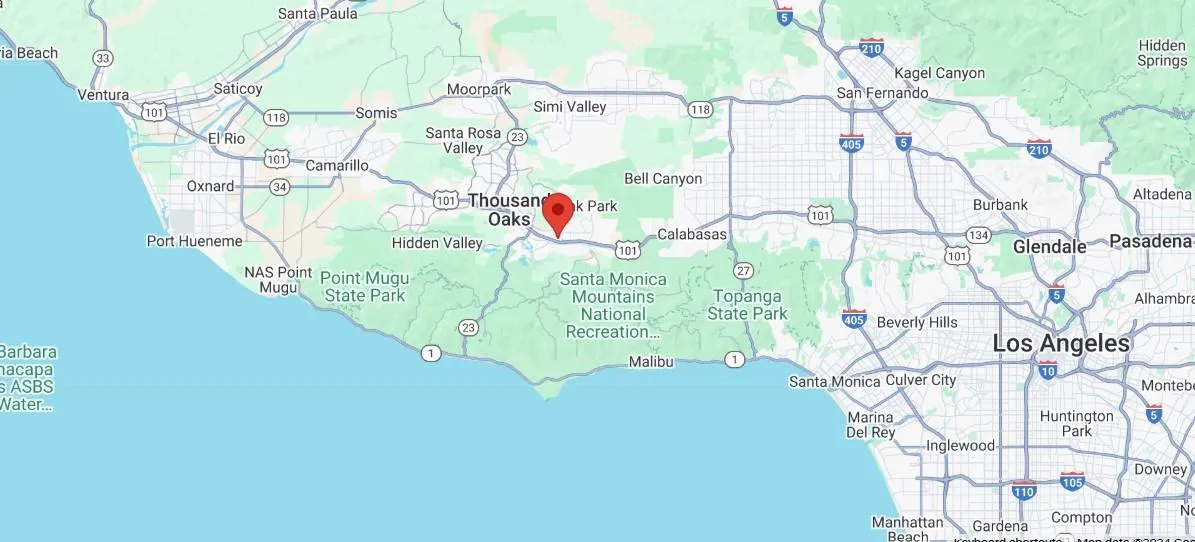
30721 Russell Ranch Rd Suite 140, Westlake Village, CA 91362
CUSTOMER CARE
Get In Touch
Mon – Thurs
10:00am – 4:00pm
Fridays by Appointment
Saturday, Golf
Sunday –hurch
LEGAL
Stay informed about how new technology can make or break a brand.
FOLLOW US


Restore. Protect. Recover.
© 2026 Water Damage Restoration Intelligence Academy | All Rights Reserved.
1. Water Damage Restoration Foundations
2. Water Mitigation, Assessment & Safety
3. Restoration Procedures & Project Planning
4. Advanced Drying Technologies & Moisture Management
5. Restoration Maintenance, Quality Control & Operations
6. Bonus Restoration Masterclass Series