
Repairs & Reconstruction After Water Damage
Author; S.Raj, M.D, Updated: 8/12/2026 Reading Time: 5 Minutes
How Homes Are Restored After Cleanup
Imagine standing inside your home after a major flood, plumbing leak, or storm—the floors still damp, cabinets warped, and drywall stained. The worst is over. Water has been removed and powerful dryers have hummed for days. But what comes next? For millions of homeowners, the real journey to reclaiming safe, comfortable living space begins with repairs & reconstruction after water damage. This final stage doesn’t just erase the visible signs of disaster—it restores peace, security, and value to your most important investment.
What You'll Learn
The purpose and process of repairs & reconstruction after water damage
Key differences between restoration and reconstruction phases
When and how reconstruction begins
What parts of a home are most often rebuilt
How professionals coordinate reconstruction projects
Common mistakes homeowners make during repairs
How to prepare for a smooth restoration process
Frequently asked questions about water damage repairs
Understanding Repairs & Reconstruction After Water Damage

When a home experiences water damage, cleanup is only the beginning. The repairs & reconstruction after water damage phase is about more than patching holes or replacing ruined flooring—it's a structured process designed to restore your property fully. This work includes repairing, replacing, or rebuilding structural elements like drywall, flooring, cabinetry, and even electrical and insulation components. These efforts are essential after the initial restoration services—such as water extraction, drying, and cleaning—are complete, ensuring that every trace of moisture or future mold growth is gone.
Rebuilding after water damage is crucial to guarantee safety and durability in the restored home. While temporary fixes might look presentable, comprehensive repairs are what actually recover your home’s integrity and prevent recurring issues such as mold, weakened framing, or hidden rot. Reputable restoration companies break down this final phase into manageable steps, working closely with homeowners on material choices, scheduling, and documentation to ensure the process meets both safety standards and personal preferences. From minor drywall repair after water damage to full structural reconstruction, each detail is carefully addressed to deliver a “like-new” result.
Definition of repairs & reconstruction after water damage: The process of fixing, replacing, or rebuilding damaged home materials and structures after initial drying and cleaning.
How repairs & reconstruction fit into the full damage restoration process: Reconstruction is the final stage following water removal and drying.
Why rebuilding is necessary after water damage: To restore safety, prevent mold, and return your property to normal living conditions.
Key restoration services and terms explained simply: Restoration handles cleanup and mitigation, while reconstruction handles rebuilding and replacements.
Restoration vs Reconstruction: Key Differences After Water Damage
Understanding the distinction between restoration and reconstruction is vital for a successful recovery process. Restoration refers to the immediate work done following water intrusion: removing standing water, using professional drying and dehumidification equipment, and thoroughly cleaning the affected areas to mitigate further damage and prevent mold growth. This phase deals primarily with returning the home to a dry, stable condition.
In contrast, reconstruction focuses on the next steps: rebuilding and repairs. This may involve new drywall, replacing flooring, cabinet work, and repainting—transforming previously damaged spaces into safe and welcoming rooms. Recognizing when one phase ends and the next begins helps homeowners prepare for what’s required and what expertise will be involved. Collaboration with a skilled restoration company ensures each phase transitions seamlessly and no steps are skipped, such as beginning repairs too early or overlooking hidden structural issues.
For homeowners interested in a more detailed breakdown of the restoration process before reconstruction begins, you can explore additional resources at Best Water Damage USA, which offers practical guidance on water removal, drying, and initial cleanup steps that set the stage for successful repairs.
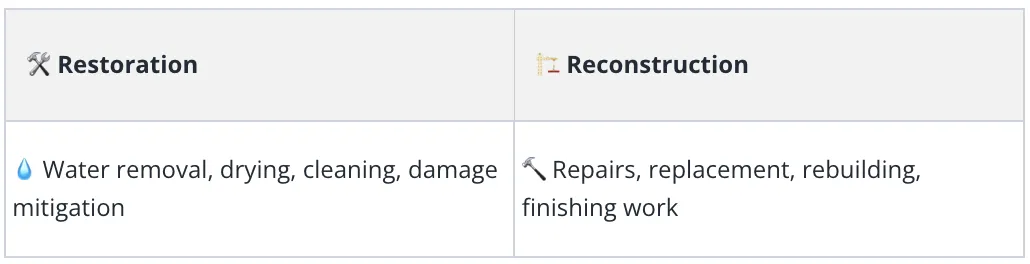
Restoration is immediate disaster response—water removal, cleaning, dehumidification
Reconstruction starts after restoring a safe, moisture-free environment—rebuilding, replacements, and finish carpentry
Each phase relies on precise timing—repairs begin only after all moisture and risks of structural damage are gone
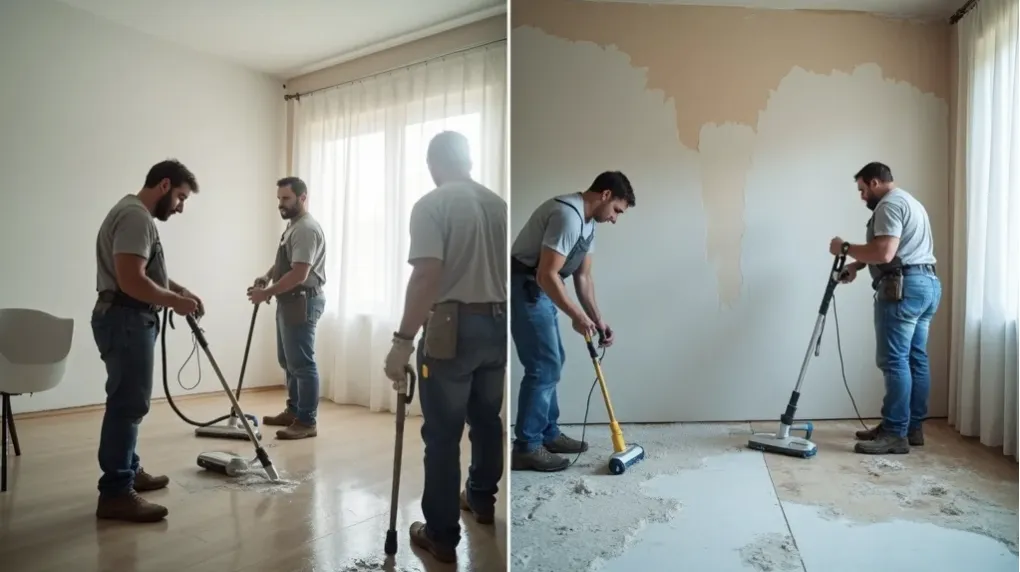
When Can Reconstruction Begin Following Water Damage?
Reconstruction should begin only once the property is certified safe and free of hidden moisture. Homeowners might feel eager to move forward, but premature repairs risk trapping water inside walls or floors. A professional restoration process includes systematic inspection, advanced moisture level readings, and verifying that all water extraction, drying, and cleaning are 100% finished.
Critical to this process is the preparation workflow that restoration companies use:
Inspection: Assess overall damage and check for hidden dampness, including behind walls and under flooring.
Mitigation: Emergency steps—like water extraction and dehumidification—to limit further issues.
Drying: Use of industrial fans and dryers until moisture levels are within safe limits.
Cleaning: Removal of debris, odors, and potential pathogens.
Repairs: Once cleared, safe repair and rebuilding of affected components begins.
Final Inspection: Ensure all repairs are complete and meet building standards before returning home.
Attempting repairs before full drying or proper cleaning can result in mold growth, poor material adhesion, or repeat water damage. Homeowners should insist on moisture and mold remediation signs-off from their restoration company before proceeding to the rebuilding stage.
Most Common Repairs & Reconstruction After Water Damage
Every water incident is unique; however, some repairs & reconstruction after water damage tasks are found in almost every project. The scope of work depends on the source—supply line failure, storm flooding, sewage backups—and how quickly emergency services were applied. A professional assessment identifies all areas that require rebuilding, including visible and hidden damage.
Here is a quick guide to the most frequently restored elements in water-damaged homes:
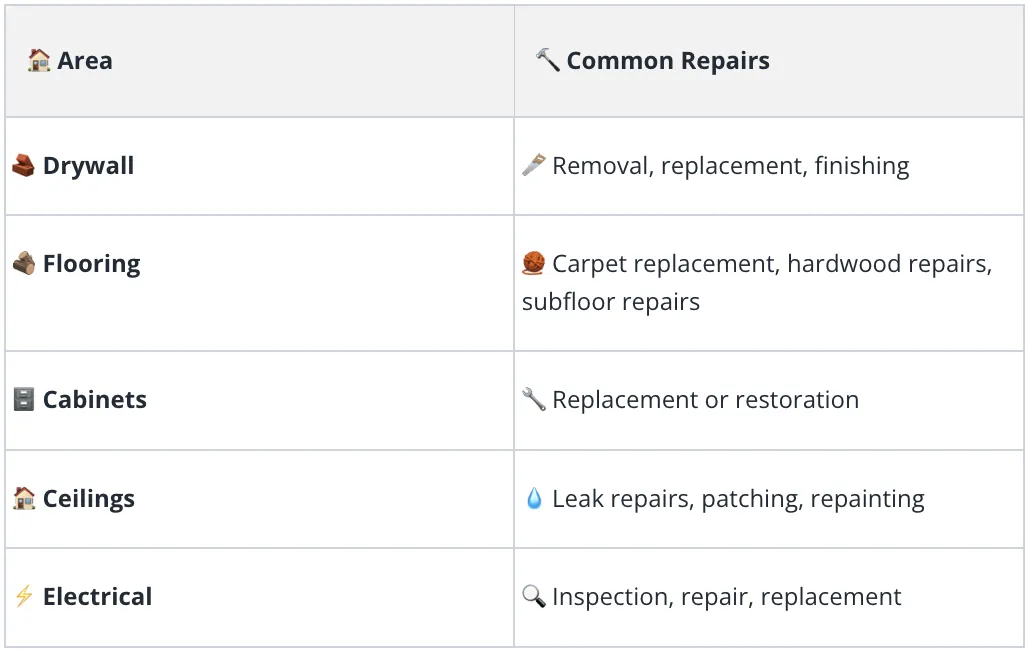
Drywall repair after water damage: Often requires removing all wet or warped sections, treating and confirming areas are mold-free, then reinstalling and repainting new drywall for a seamless finish.
Flooring replacement after flooding: Damaged carpet, laminate, or hardwood must often be replaced. Subfloor repairs are common, particularly after prolonged standing water.
Cabinet and built-in repairs: Waterlogged kitchen or bathroom cabinets may need full replacement, but sometimes can be dried and restored if damage is minimal and caught quickly.
Ceiling repairs: After leaks, ceilings may be patched, repainted, or fully rebuilt—especially if insulation was saturated.
Electrical safety: Nearly all wet electrical components require an inspection and possibly replacement to remove risk of electrical hazards.
Other repairs: Doors, trim, insulation, even furniture and built-ins may need attention, depending on spread of damage.
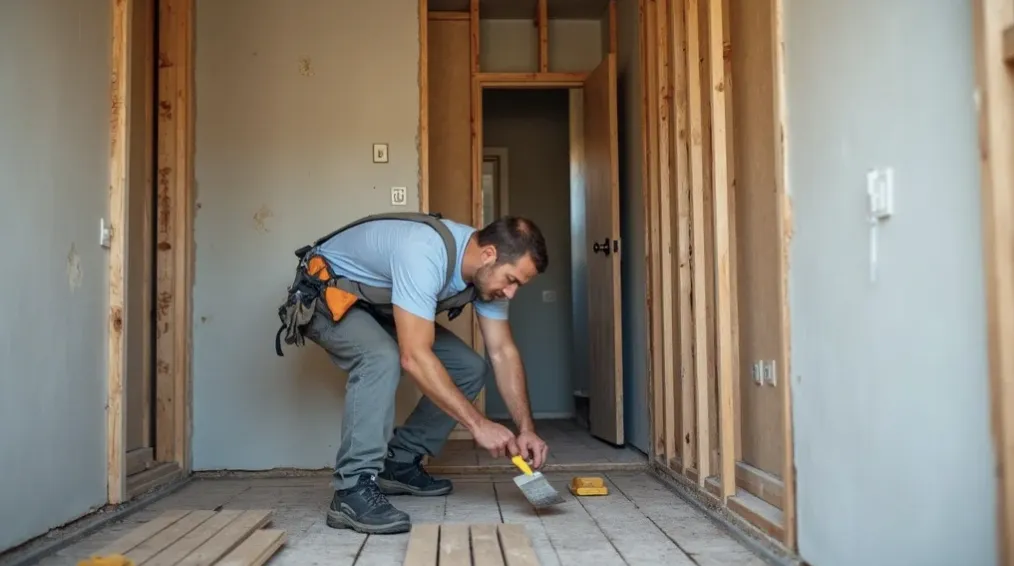
A successful home restoration after flooding or major leaks is a coordinated, step-by-step journey. Below is the typical workflow professional property reconstruction services follow, ensuring thoroughness, quality, and adherence to standards every step of the way:
Damage assessment & post water damage inspections: Evaluating visible and hidden damage, utilizing moisture meters, infrared cameras, and physical inspection.
Repair planning: Creating a detailed scope for structural repairs after water damage, assigning roles, and establishing a timeline.
Material selection: Homeowner input is gathered for choosing suitable, durable, and sometimes upgraded replacement materials.
Preparation: Setting up dust barriers, moving or protecting personal property, confirming site access and safety protocols.
Reconstruction work: Systematic removal and replacement of damaged materials—drywall, flooring, fixtures, cabinets—and fine carpentry finishing.
Quality inspection: Ongoing checks ensure compliance with building codes, restoration standards, and homeowner expectations.
Final walkthrough: Homeowner and project manager review all completed repairs—any punch list items are addressed before approval.
Workflow Diagram: Inspection → Planning → Preparation → Reconstruction → Quality Inspection → Final Walkthrough
“Proper planning and clearly defined steps are essential for a successful water damage reconstruction process.” — Professional Restoration Consultant
Factors That Affect Water Damage Reconstruction Time and Cost
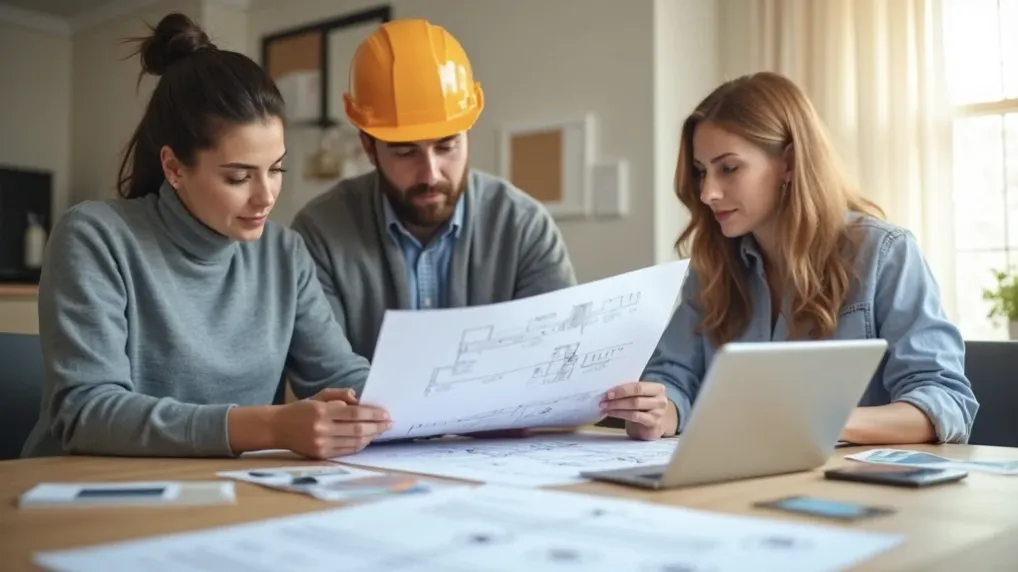
No two home restoration projects are alike—timelines and costs can differ widely. Key variables include the scope of repairs & reconstruction after water damage, size of areas involved, and complexity or custom nature of materials. Uncovering hidden mold, structural damage, or permit delays can significantly alter project duration.
Contractors will typically share an estimate range based on these factors, but it’s crucial to understand that late discoveries (like concealed dampness or unexpected rot) may require adjustments. Proactive inspection and open communication help minimize surprises, but flexibility is necessary with any residential reconstruction service.
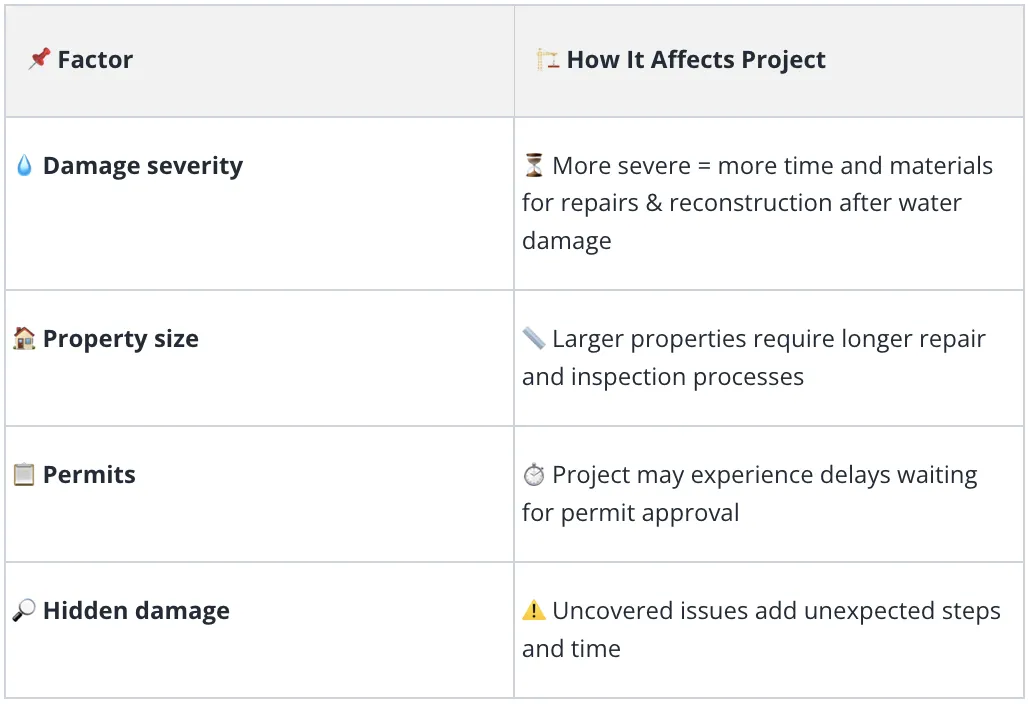
Severity and spread of initial water damage
Which rooms and materials are affected—kitchens and bathrooms are more complex
Home size and layout make a big difference in work scope
Skilled labor and contractor schedule availability
Building permits and required inspections (often needed for major work)
Standard vs. custom materials—custom cabinetry or flooring usually take longer to source
Hidden issues uncovered during demolition or inspection

Partnering with Restoration and Reconstruction Professionals
One of the most important decisions after a water event is selecting experienced professionals for repairs & reconstruction after water damage. A dedicated restoration company or home restoration contractor will coordinate all phases of the project: from initial drywall repair after water damage to managing final city inspections and homeowner walk-throughs. Experts help establish clear documentation, accurate estimates, and a transparent schedule so that you know what to expect at each step.
Professional teams bring not just expertise in damage restoration, but also in open, consistent communication. Homeowners are briefed on daily progress, updated as issues arise, and always encouraged to document before-and-after conditions for their records or insurance purposes. Proper project management includes quality checks, regular feedback meetings, and ensuring the work passes permits and inspections before you reclaim your space.
“Clear communication and proper documentation help guarantee that the restoration process meets homeowner needs and safety standards.”

Common Homeowner Mistakes During Water Damage Repairs & Reconstruction
The path to a fully restored home is smoother when homeowners avoid common pitfalls. Here are the top mistakes to steer clear of during post water damage repairs:
Beginning repairs or reconstruction before water extraction, drying, and dehumidification are fully complete
Skipping inspection for hidden moisture or mold growth (which can sabotage repairs and threaten health)
Neglecting to document work, before-and-after photos, and materials used (vital for insurance and quality tracking)
Overlooking minor or unseen structural repairs, leading to future costly damage
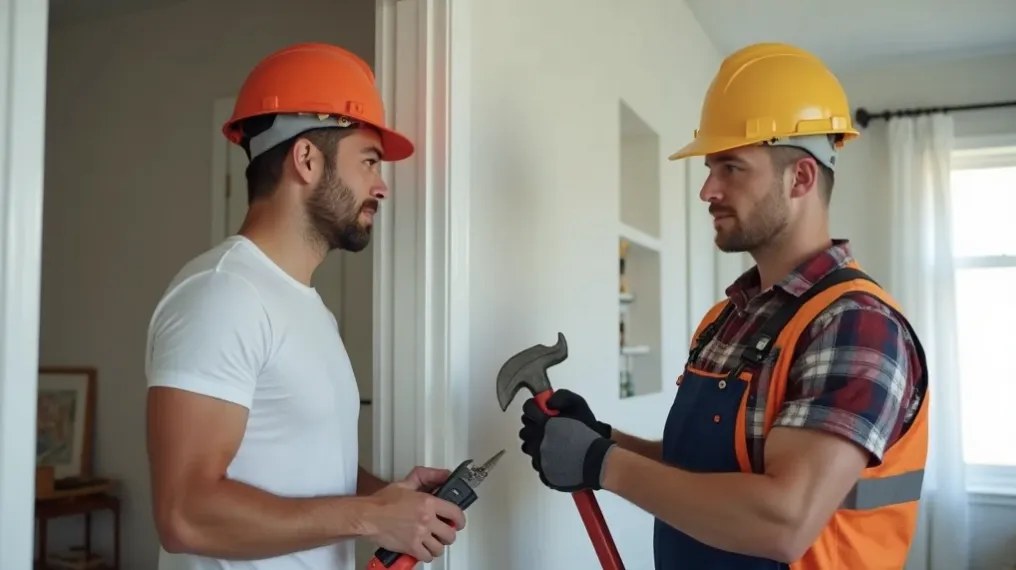
Tackling extensive damage restoration work as DIY when professional standards and equipment are required
Professional guidance and patience are assets—check each step with your restoration company and resist the urge to rush before moisture levels are fully cleared and hidden damage has been addressed.
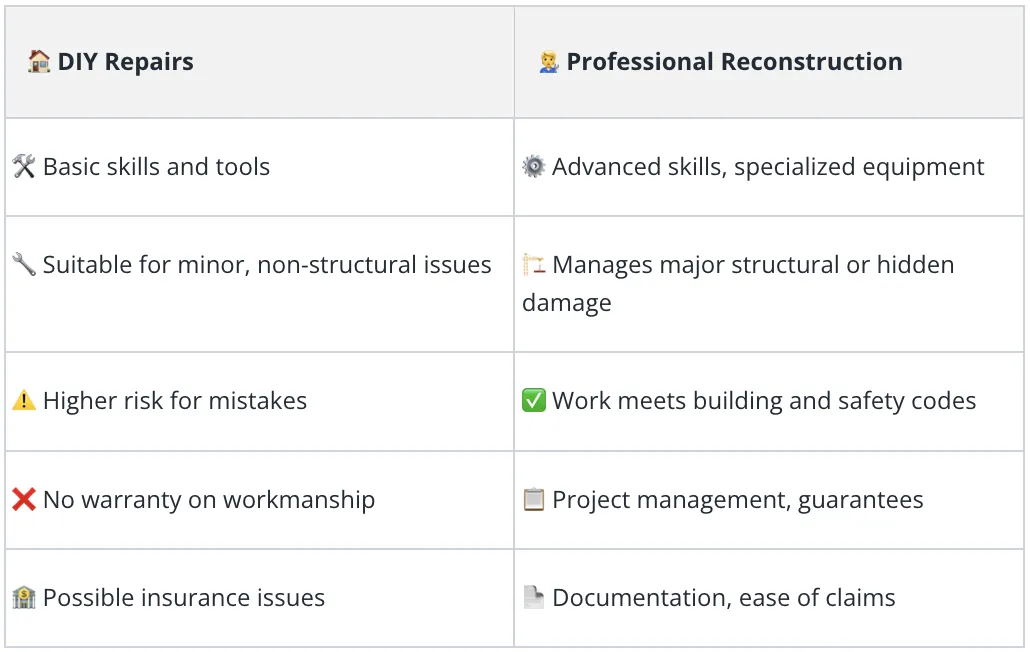
DIY Repairs vs Professional Reconstruction After Water Damage
While DIY may seem quicker or less expensive, there are clear trade-offs when it comes to safety, quality, and long-term value. Here’s a side-by-side look at what's involved:
Navigating the Final Inspection and Returning Home After Water Damage Reconstruction
The final stage of water damage reconstruction is the last safety net before returning life to normal. The goal: confirm all repairs are secure, code-compliant, and complete. The homeowner (often alongside the project manager) reviews each area, checks items off a completion checklist, and addresses any last-minute concerns or finishing tweaks.
Moving your belongings back into your newly restored home requires similar care: Clean or replace what was damaged, and be sure all furniture is placed once major repairs are done—not before. Any overlooked concerns or incomplete punch list items should be flagged and resolved prior to moving day. Careful final inspection is a key step in protecting the investment of time and resources made in the restoration process.
Frequently Asked Questions: Repairs & Reconstruction After Water Damage
What is reconstruction after water damage?
Reconstruction after water damage means repairing, rebuilding, and restoring all affected areas, including walls, floors, ceilings, and structural elements, to return your property to a safe, livable condition.What is the difference between restoration and reconstruction?
Restoration includes cleanup and drying; reconstruction is the rebuilding phase required after cleanup is finished.When should repairs begin after water damage?
Only after drying is complete, hidden moisture is checked, and unsalvageable materials are removed.What repairs are commonly needed after flooding?
Drywall removal and replacement, new flooring, cabinetry work, ceiling patching, and electrical inspections are most common.Does reconstruction include replacing drywall and flooring?
Yes, if damage is extensive and materials cannot be safely dried or salvaged.How long does water damage reconstruction take?
Timeline depends on damage severity, material availability, and inspection schedules.Can damaged structures be rebuilt?
In most cases, yes, using proper reconstruction methods and materials.Who manages water damage repair work?
Licensed restoration companies or home reconstruction contractors typically coordinate all phases.Are permits required for reconstruction?
Many projects, especially those involving structural work, require permits and inspections for compliance and safety.What happens after reconstruction is completed?
The property is given a final inspection to confirm repairs, address any issues, and then is ready for occupancy.
People Also Ask: Essential Post-Water Damage Questions
What happens after water damage restoration?
After the water damage restoration phase is complete—including cleaning, water removal, and drying—the next step is repairs & reconstruction. This involves rebuilding and replacing damaged materials so your home looks and feels as it did before the damage occurred.
When can repairs begin after water damage?
Repairs should only begin once water extraction, professional drying, and cleaning are thoroughly completed. Restoration specialists will assess all areas for hidden moisture and verify that the structure is ready for safe, effective reconstruction.
What is reconstruction after water damage?
Reconstruction covers the repair, replacement, or rebuilding of any home structures or finishes that cannot be salvaged after a water event. This includes everything from installing new drywall to laying new flooring and rebuilding built-ins.
How long does water damage repair take?
The timeline varies based on the scale of water damage, material selection, size of your property, and whether hidden issues are discovered during the process. Your contractor can provide a custom estimate after the assessment.
What parts of a home usually need repair after flooding?
Frequently repaired areas after a flood include drywall, flooring, cabinets, trim work, insulation, and sometimes important systems like plumbing or electrical.
Does water damage require complete rebuilding?
Not all water incidents require total rebuilding. Minor events may require only repairs, but significant or prolonged exposure often makes full material replacement necessary for health and safety.
Can drywall and flooring be replaced after water damage?
Yes, drywall and flooring are often replaced if they cannot be fully dried and cleaned. This ensures structural integrity and helps prevent mold growth.
Should repairs begin before insurance approval?
It’s best to wait for insurance adjuster inspection and documentation before starting non-emergency repairs. Only emergency work to prevent further damage usually proceeds beforehand.
Who performs water damage reconstruction?
Reconstruction is usually managed by licensed restoration companies or specialized home contractors with expertise in water damage repair work.
What happens during the final restoration process?
A quality inspection is done, all repairs are checked, and a punch list is reviewed to make sure any lingering issues are addressed before you move back in.
Comprehensive Checklist: Preparing for Repairs & Reconstruction After Water Damage
Confirm all water removal, drying, and assessments are fully documented and completed
Photograph and list visible and suspected hidden damage for reference
Get repair & reconstruction estimates; select a qualified company
Remove or protect personal belongings in affected areas
Ensure all necessary permits are applied for and approved before major work begins

Homeowner Preparation: What to Expect from the Water Damage Restoration Process
Attend a project consultation with your restoration company to review the timeline and work plan
Understand when and how the reconstruction stages will affect household access and routines
Review site safety protocols and property protection steps
Establish regular check-ins and feedback channels to ensure project satisfaction
Watch a step-by-step animated video journey following a water-damaged home's transformation—from water removal and drying, to detailed repair planning, to expert finishing and final walk-through—highlighting the seamless process homeowners should expect from professional restoration teams.
Cost Overview: What Drives Reconstruction Expenses After Water Damage
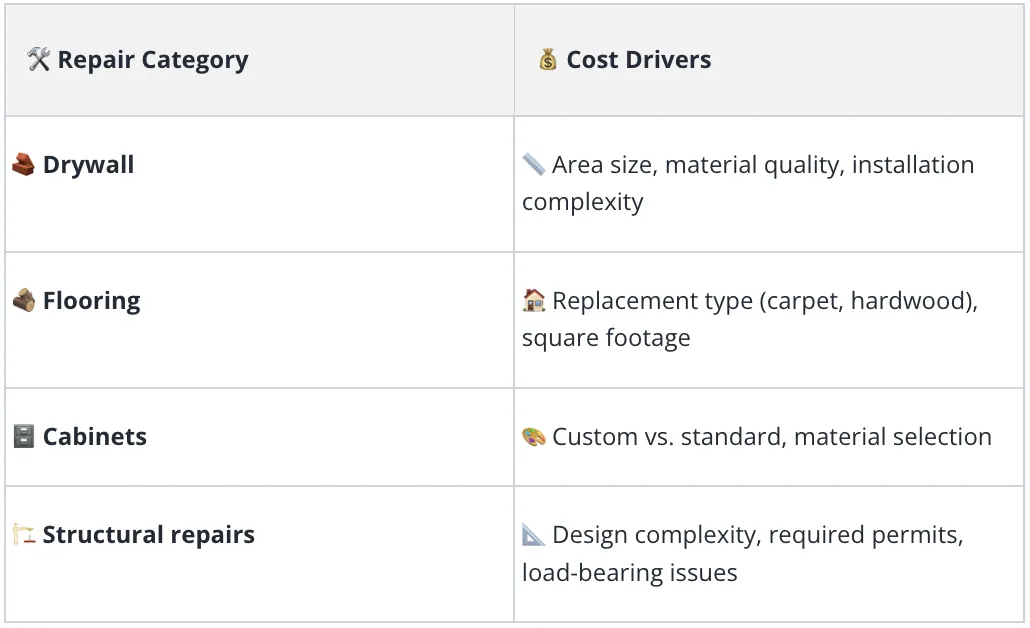
Material and finish selection has a sizable impact on overall repair costs
Experienced contractor oversight and best practices can prevent costly errors or repeat work
Ready to restore your home after water damage? Work with a qualified, professional restoration contractor for safe, efficient, and high-quality repairs & reconstruction. Start your recovery journey today—contact us to discuss your needs and get expert help every step of the way.
S. Raj, M.D. /Bestwaterdamageusa.com
Director, Search Intelligence University/IABLEd
International Association for Business Leaders’ Education
Sources
https://www.servpro.com/services/water-damage - Water Damage Cleanup and Restoration Services
Water Damage Restoration Performance Institute
The Definitive Curriculum for Water Damage Restoration, Mitigation, and Business Excellence.
Mitigare. Restituere. Protegere.
Mitigate. Restore. Protect.
Want Your World to Discover You,
the Easy Way?
Build your expertise in water damage restoration and unlock opportunities in the restoration industry.
We provide industry-focused education, practical training, and expert guidance to help you develop the knowledge and hands-on skills needed to excel in the fast-growing water damage restoration sector. Ask us how.
Copyright 2026. BEST WATER DAMAGE RESTORATION. All Rights Reserved.

* * * * *
COMPANY
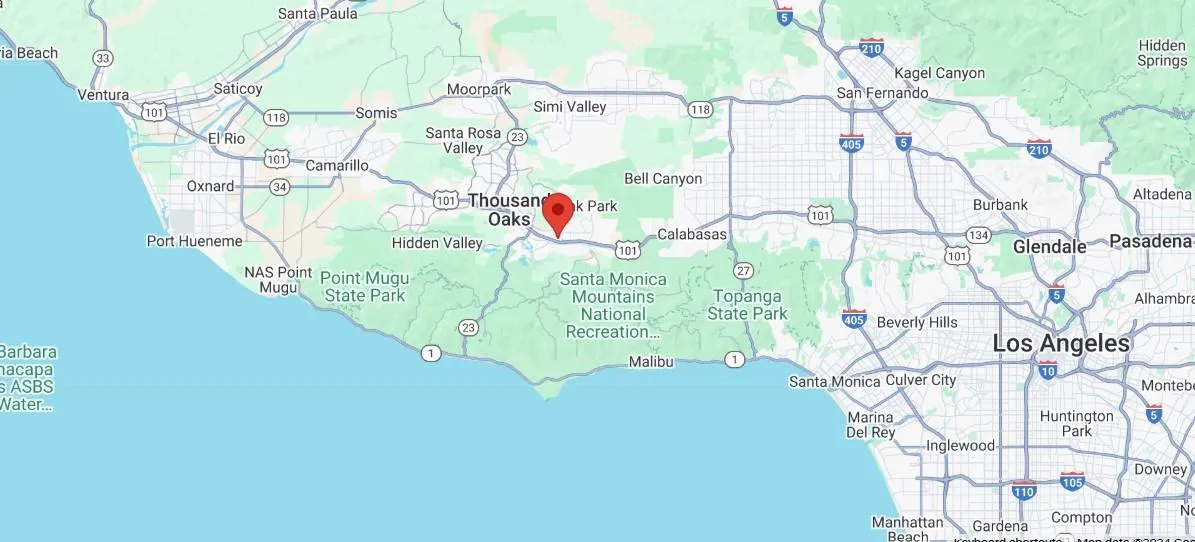
30721 Russell Ranch Rd Suite 140, Westlake Village, CA 91362
CUSTOMER CARE
Get In Touch
Mon – Thurs
10:00am – 4:00pm
Fridays by Appointment
Saturday, Golf
Sunday –hurch
LEGAL
Stay informed about how new technology can make or break a brand.
FOLLOW US


Restore. Protect. Recover.
© 2026 Water Damage Restoration Intelligence Academy | All Rights Reserved.
1. Water Damage Restoration Foundations
2. Water Mitigation, Assessment & Safety
3. Restoration Procedures & Project Planning
4. Advanced Drying Technologies & Moisture Management
5. Restoration Maintenance, Quality Control & Operations
6. Bonus Restoration Masterclass Series