
What Happens After a House Fire
Author; S.Raj, M.D, Updated: 8/12/2026 Reading Time: 5 Minutes
Fire Damage Assessment & Inspection
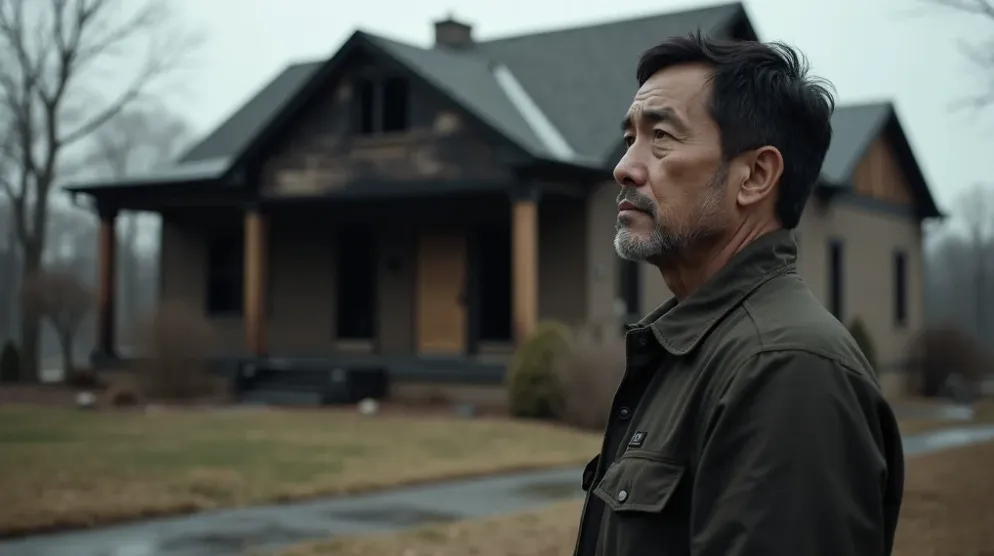
Imagine arriving home to find your once-familiar house scarred by flames, the scent of smoke lingering in the air and your belongings tucked behind yellow fire tape. In the aftermath of a house fire, confusion and concern are natural, but what happens next is crucial for your safety and recovery. Before any cleanup or rebuilding can begin, fire damage assessment & inspection is the vital first step. These professional evaluations lay the foundation for a safe, effective, and well-planned restoration, guiding every decision you’ll make as you recover your home and peace of mind.
"A professional fire damage assessment identifies the extent of fire, smoke, soot, and related damage so restoration decisions can be based on accurate information."
Key Takeaway: Fire damage assessment & inspection provide the essential foundation for any successful restoration.
What You'll Learn About Fire Damage Assessment & Inspection
The purpose and process of fire damage assessment & inspection
What happens before, during, and after an inspection
Homeowner safety and documentation steps
How assessments guide restoration and insurance
What Is Fire Damage Assessment & Inspection?
Definition and Scope of Fire Damage Assessment & Inspection
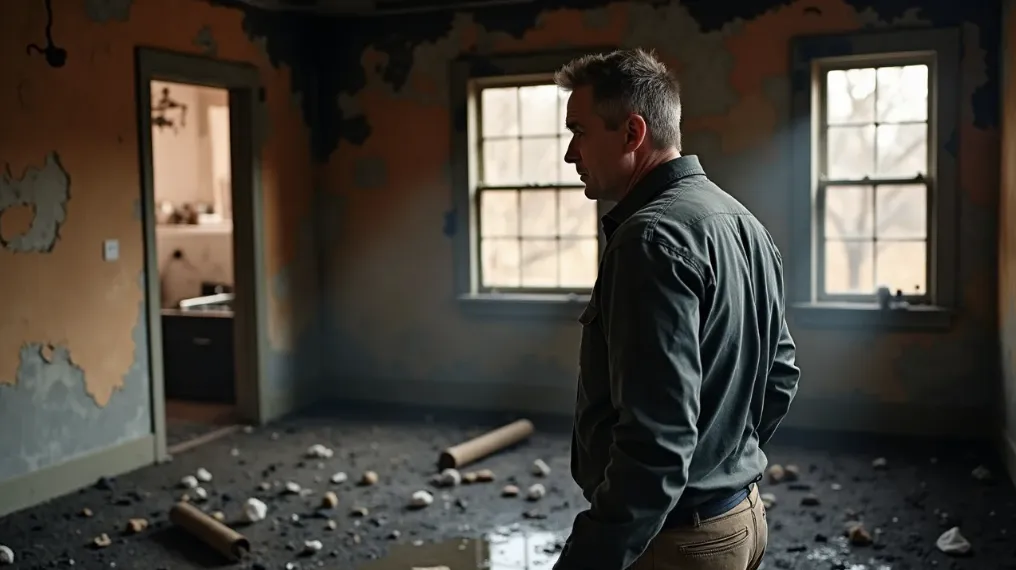
Fire damage assessment & inspection is a comprehensive process carried out by experienced professionals to evaluate the impact of a fire on your home. This evaluation goes beyond visible burn marks — it covers every aspect of damage, from scorched structures and singed belongings to invisible hazards such as smoke, soot, and even water damage from firefighting efforts. The primary aim is to gain an accurate understanding of your home’s condition, using proven techniques to ensure the assessment addresses visible injuries and those hidden beneath the surface. This includes investigating building materials, personal belongings, ventilation systems, and all areas affected by heat, smoke, or chemical residue.
The scope of a fire damage inspection typically includes a visual and physical inspection of all structural components (like walls, ceilings, floors), an evaluation of air quality for lingering smoke and hazardous materials, and a detailed documentation of everything affected by fire, water, smoke, or soot. By identifying both direct and secondary damage immediately after a fire, this assessment plays a critical role in mapping out the safest, most effective path forward for restoration and repairs.
In addition to fire-related concerns, it's important to recognize that water damage from firefighting efforts can significantly impact the restoration process. For a deeper understanding of how water damage is assessed and managed in the aftermath of a disaster, you can explore the water damage inspection process and its role in comprehensive property recovery.
Why a Thorough Fire Damage Inspection Precedes Cleanup and Restoration
Professional fire damage assessment & inspection always comes before any cleanup or rebuilding begins. A thorough inspection is essential to make your home safe for entry, and to identify hazards such as weakened structural elements or lingering smoke toxins. Skipping or rushing this step can endanger your family and restoration workers, or allow hidden problems to go untreated — problems that can lead to unsafe living conditions or unexpected expenses down the road. Whether it’s a fire damage inspection, residential fire inspection, or fire cleanup inspection, this systematic process enables experts to tailor solutions specifically to your home’s unique fire event. Ultimately, it ensures each repair and cleaning decision is grounded in accurate, professional insight.
The Importance of Fire Damage Inspection for Homeowners
Ensuring Safety After a Structural Fire
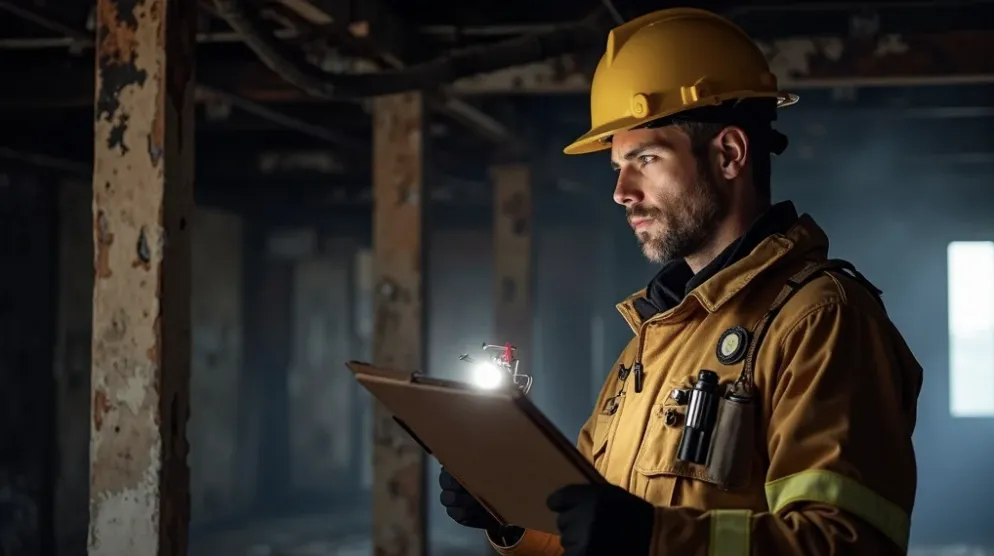
After a fire, concerns about safety are paramount. Structural fire damage can compromise the integrity of floors, walls, ceilings, and load-bearing components, turning familiar spaces into potential danger zones. Professional inspectors bring expertise and precise tools to assess whether your house is structurally sound and safe to enter. They look for hidden weaknesses, warping, or hazardous materials such as asbestos or electrical issues that normal homeowners might miss. Their recommendations ensure that no one reenters the property until risks have been addressed, providing essential peace of mind as restoration begins.
This comprehensive evaluation is crucial because even rooms that appear undamaged may have sustained heat exposure or undetectable contamination. By securing clearance from a professional, you avoid accidental injury and prevent further property loss, laying a safe foundation for cleanup, repair, and eventual return.
Identifying Visible and Hidden Damage: Structural Fire & Smoke Damage
Not all fire damage is obvious. While some harm is clearly visible—such as charred beams or melted fixtures—other issues lurk beneath the surface. Smoke damage, for example, can seep deep into walls, ductwork, and under flooring. Hidden pockets of soot, water damage, and lingering residue may continue to degrade materials and foster harmful mold if not addressed promptly. An expert damage assessment evaluates every risk area, using moisture meters, air quality monitors, and hands-on inspection to uncover both visible and concealed threats.
This meticulous process guarantees that cleaning crews and contractors have the full picture before restoration begins, avoiding costly mistakes or missed damage that could harm your home’s long-term safety and value. It’s the best protection you have against future headaches and unexpected restoration delays.
Fire Damage Assessment & Inspection for Restoration Planning and Documentation
Beyond safety, fire damage assessments provide detailed documentation of every impact the fire had on your property—information that proves invaluable for developing a customized restoration plan. From estimating needed repairs and replacements to planning odor removal and debris cleanup, these assessments are the blueprint for all recovery decisions. They also provide the paper trail necessary for coordinating with fire damage restoration services, structural engineers, and insurance specialists.
A carefully documented fire damage inspection ensures everyone involved, from contractors to insurance adjusters, understands exactly what happened and how best to restore your home and its contents. For homeowners, this means better outcomes, clearer communication, and a smoother recovery journey.
Supporting Insurance Claims with Damage Inspection Reports
Insurance claims after a house fire are complex and can become evidence-driven very quickly. Insurance companies typically require thorough documentation of all fire, smoke, soot, and water damage discovered during the assessment process. Inspection reports support your insurance claim by providing unbiased, professional descriptions and photographs of loss, as well as an inventory of affected belongings. This transparency limits claim disputes, helps adjusters make informed decisions, and can speed up approval for restoration funding.
While the assessment documentation doesn’t guarantee the extent of coverage, it does enable a smoother claims process and arms homeowners with facts needed to advocate for their property. For insurance purposes, these reports are your best ally in the journey to repairing your home and reclaiming normalcy.
What Professionals Evaluate During a Fire Damage Assessment & Inspection
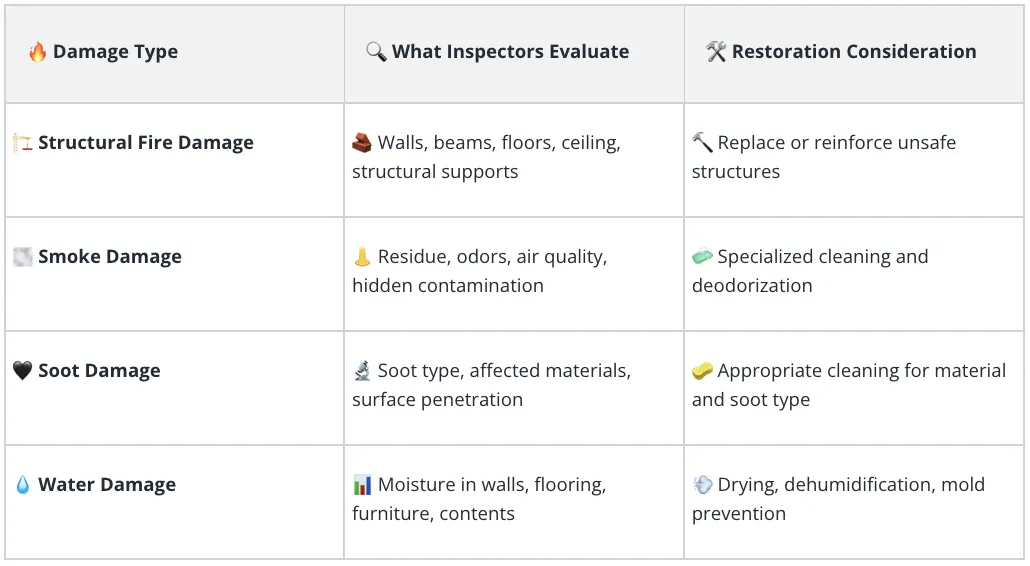
Structural Fire Damage and Integrity Evaluation
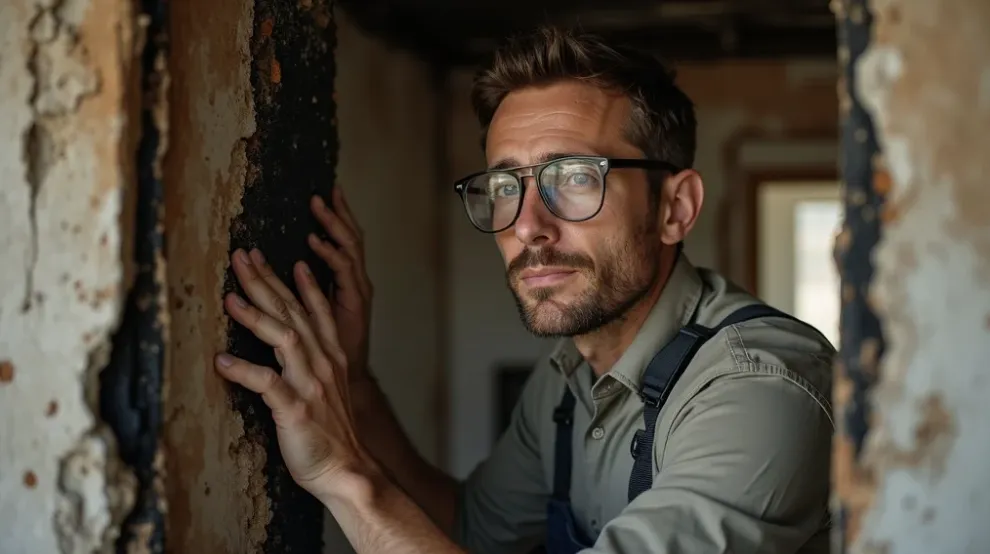
Structural integrity is at the heart of a fire damage inspection. Inspectors carefully examine all load-bearing walls, beams, ceilings, and floors for evidence of heat exposure, charring, warping, or loss of structural steel strength. Special attention is given to areas with direct fire exposure, as well as spaces adjacent to the fire that could be weakened by radiant heat or water. Hardness testing and other evaluation methods (sometimes including finite element analysis) may be used to confirm the safety of critical supports. Where necessary, structural engineers are called in to consult or provide additional assessments.
Inspectors also document the overall condition of building materials and finishes. This thorough approach prevents missed hazards, ensures targeted repairs, and forms the backbone of your restoration and insurance plans.
Smoke Damage Inspection: Residue, Odor, and Hidden Risks
While obvious smoke damage darkens walls and ceilings, its greatest risks are often out of sight. Professional inspectors track smoke residue along airflow patterns, into ventilation, insulation, and cracks. Airborne particulate, chemical contamination, and invisible odor molecules can pose health risks long after the flames are out. Inspectors use both sensory judgment and detection tools, such as moisture and air quality meters, to quantify the severity of smoke exposure and plan precise cleaning and deodorization protocols.
Their findings guide every stage of the smoke damage inspection—from the removal of contaminated insulation to recommendations for deep cleaning and air purification systems.
Soot Damage Evaluation: Types, Surfaces, and Cleaning Needs
Soot is more than just black residue. It can be oily, dry, or powdery based on what burned in the fire, and each type adheres differently to surfaces. A soot damage evaluation highlights where soot settled and the risk it poses to porous materials like fabrics, drywall, and unfinished wood. Delicate cleaning is essential, as some methods can make stains permanent or drive contamination deeper into material fibers.
Professional evaluation ensures correct cleaning strategies for different soot types and surfaces, optimizing your home’s recovery while protecting health and preserving valuable possessions.
Water Damage and Firefighting Residue Assessment
Firefighting efforts can unleash thousands of gallons of water into your home, leading to hidden water damage even in areas untouched by fire. Inspectors measure moisture levels throughout the building to locate concealed pockets of dampness that could foster mold growth or rot. Additionally, they assess for leftover firefighting foam, chemical suppressants, and related residues, recommending suitable cleaning and drying practices to head off secondary damage.
Fast assessment is vital in these cases: untreated water damage quickly escalates into much more expensive repairs down the road.
The Step-by-Step Fire Damage Assessment & Inspection Process
Safety evaluation: Professionals check for immediate risks and hazardous materials before entering.
Initial fire damage inspection: Inspectors perform a thorough walkthrough, documenting the visible impact on structure and contents.
Detailed damage documentation: Notes, photographs, and sketches record all affected areas and belongings.
Smoke and soot assessment: Air, surfaces, and materials are checked for contamination and potential odor sources.
Contents evaluation: Personal property and valuables are inventoried and assessed for repair or disposal.
Restoration planning: The assessment informs development of a targeted restoration plan.
Final assessment report preparation: All findings are compiled into a clear report for homeowners, contractors, and insurance providers.
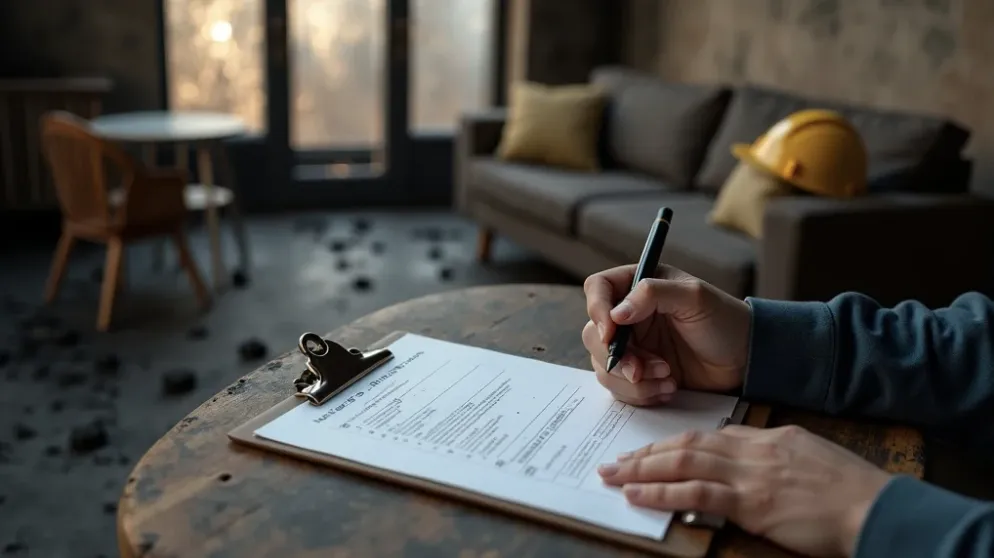
Workflow Diagram: Fire Event → Safety Check → Inspection → Documentation → Restoration Plan
Homeowner Fire Damage Inspection Checklist
Do not enter potentially unsafe fire-damaged structures
Document visible fire, smoke, or water damage only when safe
Notify your insurance company promptly
Secure and protect important personal documents if accessible
Record damaged personal belongings
Prepare questions for your fire damage assessment & inspection professional
Understanding Smoke, Soot, and Odor Damage in Fire Damage Assessment & Inspection
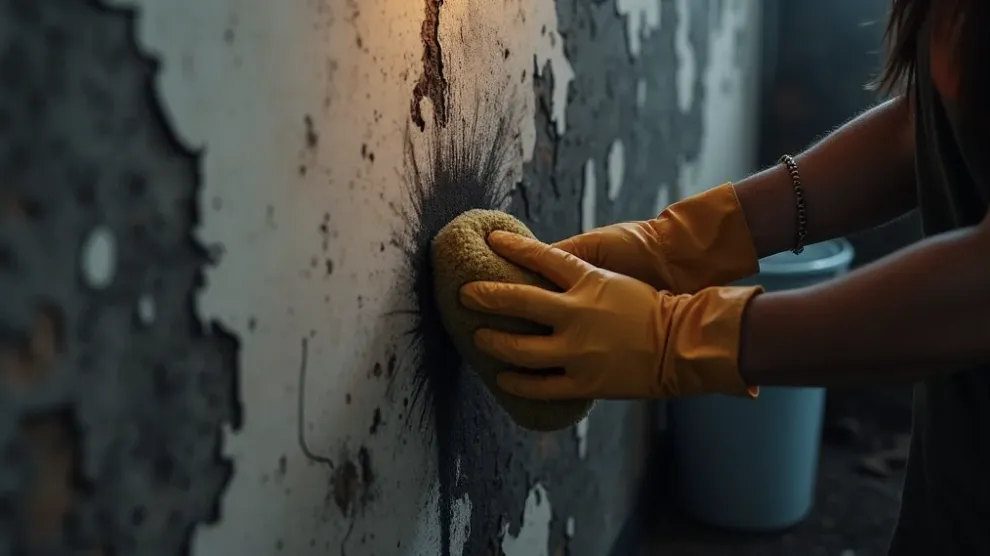
During fire damage assessment & inspection, professionals pay close attention to smoke residue, soot deposits, and lingering odors. Smoke damage inspection reveals how far contamination extends, including into ducts, attics, furnishings, and hidden surfaces. Soot varies in composition — protein, wet, dry, and oily soot present their own cleaning challenges. Smoke odors may persist even after visible debris is removed, requiring advanced odor control. Experts often use specialized cleaning agents, air filtration, and ozone or vapor systems to ensure thorough deodorization and remediation of chemical residue.
A comprehensive soot damage evaluation always goes hand-in-hand with smoke odor assessment, informing the restoration approach for walls, fabrics, electronics, and personal belongings.
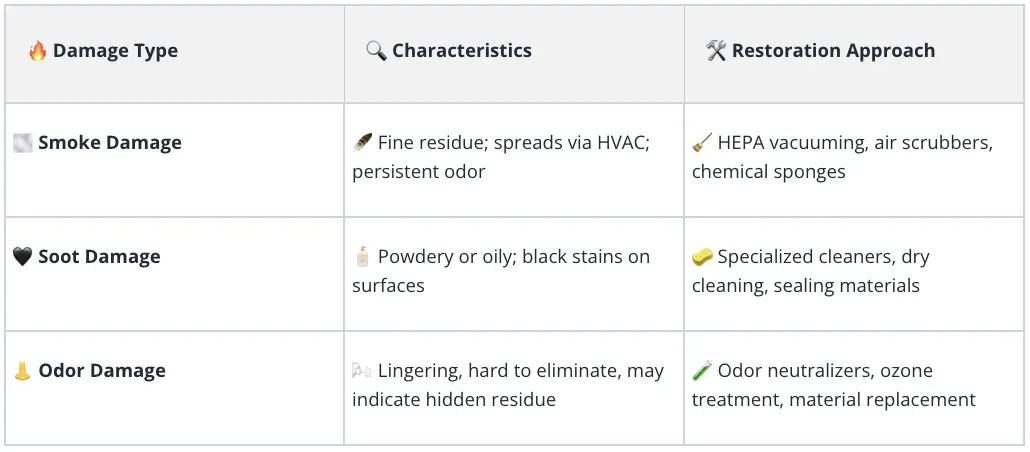
smoke damage inspection
soot damage evaluation
smoke odor assessment
Step 5: Moisture Verification and Safe Equipment Removal
How Fire Damage Assessment & Inspection Guides Restoration Planning

Guides what to clean, repair, or replace
Informs contents restoration decisions
Identifies odor control protocols
Aids reconstruction planning
Supports communication with fire damage restoration services
A precise fire damage assessment & inspection is the roadmap for every stage of disaster recovery. By measuring the full scope of fire, smoke, soot, and water damage, restoration professionals can distinguish salvageable materials from those that must be replaced. The assessment also highlights which personal contents can be restored using advanced cleaning, which materials are most at risk for lingering odor or contamination, and where reconstruction is necessary for long-term safety.
This collaboration between inspectors, contractors, and restoration teams ensures efficient, focused restoration that meets industry standards and your family’s needs. Ultimately, it simplifies communication with fire damage restoration services and empowers homeowners to make informed decisions during a stressful time.
Fire Damage Assessment & Inspection and Insurance Documentation
Reporting Damage for Insurance: What Is Documented?

fire damage documentation
photos, reports, and inventory
restoration estimates
Insurance carriers need clear, fact-based evidence of all fire-impacted areas and contents. After a fire, the inspection team gathers, organizes, and presents detailed data to support your insurance claim. This typically includes high-resolution before-and-after photos, a room-by-room inventory of damaged items, written reports explaining the impact of fire, smoke, and water, and expert-driven estimates for restoration and replacement costs. This evidence serves as a record for insurance purposes and can be shared directly with your provider or assigned adjuster.
Having this documentation on hand makes the claim process less stressful and helps avoid disputes about loss or coverage eligibility. It is especially important to keep personal copies for future reference.
Clarifying Insurance Roles: Documentation Supports Claims, Not Coverage Decisions
It’s important to understand that while inspection reports and damage documentation powerfully support your claim, they do not guarantee coverage or determine the extent of reimbursement. Insurance coverage and compensation decisions are ultimately made by your provider based on the terms of your policy. That said, thorough, professional documentation prepared during your fire damage assessment & inspection dramatically improves the clarity, speed, and fairness of this process.
Common Homeowner Mistakes After Fire Damage Assessment & Inspection
Entering before professional safety clearance
Attempting improper smoke or soot cleaning
Disposing of restoration-eligible items
Overlooking less obvious types of fire, smoke, or water damage
Delaying fire damage assessment & inspection
It’s natural to want to start cleaning and salvaging cherished belongings immediately after a fire, but acting too quickly can cause more harm than good. One of the most common mistakes is entering your home before it’s been professionally certified as safe, risking injury or contaminating evidence needed for insurance. Likewise, using household cleaners to tackle smoke or soot can lock stains in place or damage surfaces. Throwing away items that could be restored or failing to recognize the full scope of unseen fire or water damage often results in higher costs and longer recovery times. Always follow the guidance of your assessment and restoration experts before taking action on your own.
DIY Inspection vs Professional Fire Damage Assessment & Inspection
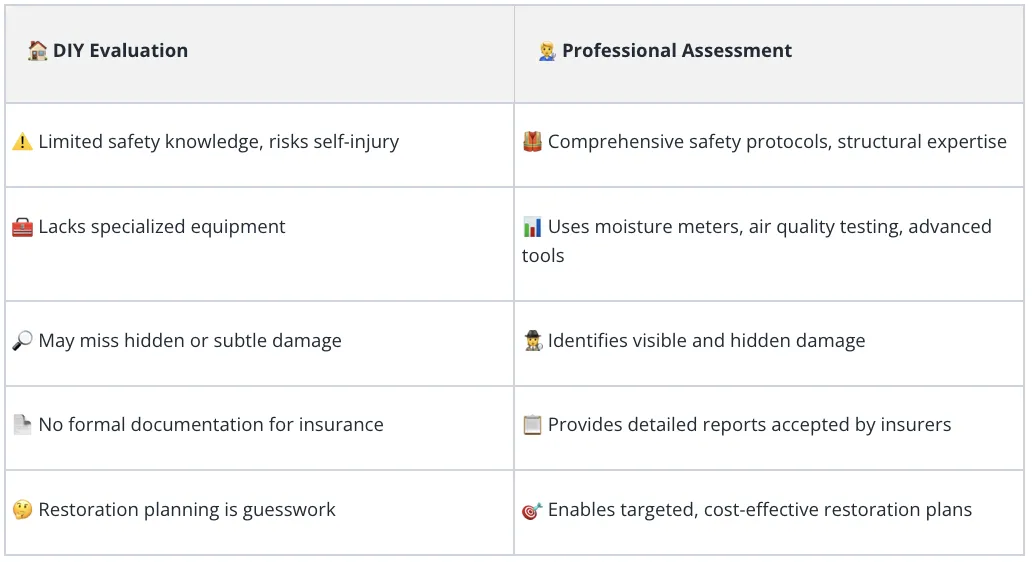
Safety and risks
Tools and expertise
Thoroughness of damage assessment and documentation
Restoration planning accuracy
While homeowners might spot obvious burn marks or water puddles, only a certified professional has the skills, equipment, and training to identify the true extent of fire damage. Professionals perform a damage assessment that includes fire investigation techniques, advanced hardness testing, and moisture detection to reveal both surface and hidden problems. Their comprehensive reports are recognized by insurers and guide precise, efficient cleanup. In contrast, a DIY approach exposes residents to unnecessary risks and often results in missed or improperly treated damage, prolonging your recovery.
What Happens After Fire Damage Assessment & Inspection?
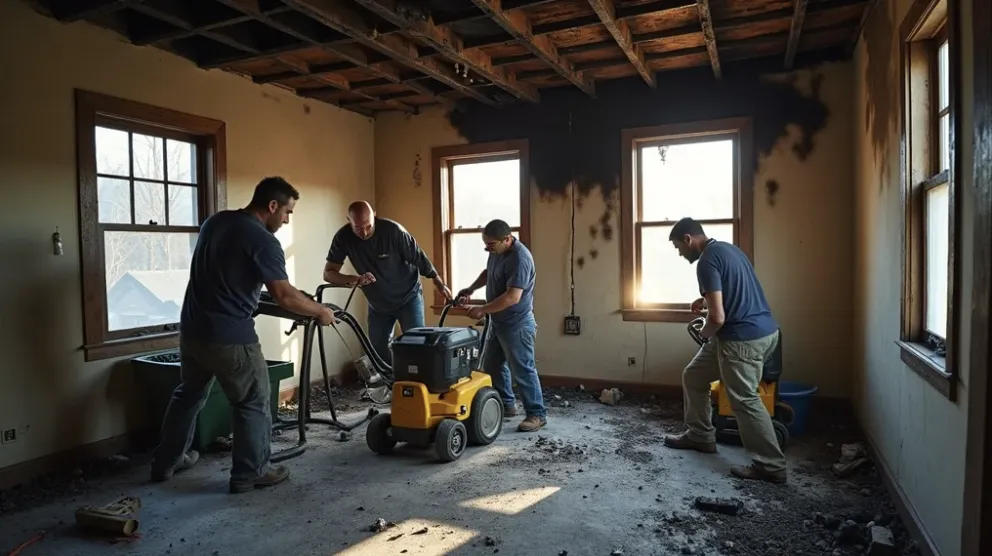
Emergency stabilization and securing the property
Targeted smoke and soot cleaning
Contents restoration and salvage
Initiation of structural repairs and rebuilding
Ongoing communication with fire damage restoration services
After your fire damage assessment & inspection is complete and you have received the initial report, the restoration process officially begins. Emergency teams stabilize and secure the property, boarding up windows or roofs and preventing further exposure to weather or trespass. Specialized crews start cleaning smoke, soot, and water damage using products and methods informed directly by the assessment findings. Salvageable contents are removed for offsite cleaning or storage, while unsalvageable materials and debris are carefully discarded. Structural repairs and reconstruction may start right away, always in accordance with the personalized restoration plan developed from your inspection. All progress is communicated to you and your insurance provider for ongoing coordination.
Frequently Asked Questions About Fire Damage Assessment & Inspection
What is a fire damage assessment? A formal evaluation of a building and its contents after a fire, documenting visible and hidden damage to guide restoration and insurance.
Why is a fire damage inspection necessary? It ensures safety, reveals the scope of damage, and underpins successful recovery and insurance claims.
What areas are inspected after a house fire? All structural and living areas, including walls, ceilings, floors, attics, HVAC systems, and personal belongings.
How are smoke and soot damages evaluated? Inspectors look for visible residue, test materials, measure air quality, and identify contamination for targeted cleaning methods.
Can a home be restored after fire damage? Most homes can be restored, depending on the extent of damage and after complete professional assessment and planning.
What should homeowners do before a fire inspection? Wait for safety clearance, avoid disturbing the site, document damage if safe, and contact your insurance provider.
How long does a fire damage assessment take? Duration depends on home size and damage: assessments can take from several hours up to a full day.
What documents are created during a fire inspection? Photo logs, written damage reports, item inventories, and cost estimates for restoration.
Does fire damage inspection include odor evaluation? Yes, professional inspections always consider smoke odor and recommend proper deodorization.
What happens after the fire assessment is complete? Restoration teams begin stabilization, cleanup, item recovery, and structural reparation according to the determined plan.
People Also Ask About Fire Damage Assessment & Inspection
What happens during a fire damage inspection?
A fire damage inspection evaluates the structure and contents for fire, smoke, soot, and water damage. Inspectors check integrity, safety hazards, and document affected areas to guide restoration.
How do professionals assess fire damage?
Professionals use visual inspections, moisture meters, odor tests, and documentation to identify fire, smoke, soot, and water impacts on buildings and possessions.
What should I do after a house fire?
Wait for officials to declare it safe, avoid entering dangerous areas, contact your insurance company, and schedule a professional fire damage assessment & inspection.
Can smoke damage be worse than fire damage?
In some cases, smoke damage can infiltrate surfaces and contents more extensively than fire itself, requiring specialized remediation.
How is soot damage evaluated?
Soot damage is evaluated by identifying affected materials and deposits, type of soot, and the extent of contamination to guide correct cleaning.
Is a fire damaged home safe to enter?
Only after professionals determine structural safety and hazardous conditions are managed should a home be re-entered.
How long does fire damage assessment take?
Assessment duration varies with the extent of fire damage but typically ranges from several hours to a day for full inspections.
What happens after a fire inspection?
A report is compiled, restoration planning begins, and professionals start stabilization, cleanup, and contents handling.
Does insurance require a fire damage assessment?
Insurance policies often require a formal fire damage assessment & inspection to support claims and validate restoration needs.
Can damaged items be restored after a fire?
Many smoke- or fire-affected items can often be restored, depending on extent of damage and material type.
Ready to Begin Restoration After a Fire?
S. Raj, M.D. /Bestwaterdamageusa.com
Director, Search Intelligence University/IABLEd
International Association for Business Leaders’ Education
Sources
Water Damage Restoration Performance Institute
The Definitive Curriculum for Water Damage Restoration, Mitigation, and Business Excellence.
Mitigare. Restituere. Protegere.
Mitigate. Restore. Protect.
Want Your World to Discover You,
the Easy Way?
Build your expertise in water damage restoration and unlock opportunities in the restoration industry.
We provide industry-focused education, practical training, and expert guidance to help you develop the knowledge and hands-on skills needed to excel in the fast-growing water damage restoration sector. Ask us how.
Copyright 2026. BEST WATER DAMAGE RESTORATION. All Rights Reserved.

* * * * *
COMPANY
30721 Russell Ranch Rd Suite 140, Westlake Village, CA 91362
CUSTOMER CARE
Get In Touch
Mon – Thurs
10:00am – 4:00pm
Fridays by Appointment
Saturday, Golf
Sunday –hurch
LEGAL
Stay informed about how new technology can make or break a brand.
FOLLOW US


Restore. Protect. Recover.
© 2026 Water Damage Restoration Intelligence Academy | All Rights Reserved.
1. Water Damage Restoration Foundations
2. Water Mitigation, Assessment & Safety
3. Restoration Procedures & Project Planning
4. Advanced Drying Technologies & Moisture Management
5. Restoration Maintenance, Quality Control & Operations
6. Bonus Restoration Masterclass Series