
The First Step Toward Effective Water Damage Restoration
Author; S.Raj, M.D, Updated: 8/12/2026 Reading Time: 5 Minutes
Professional Water Extraction:
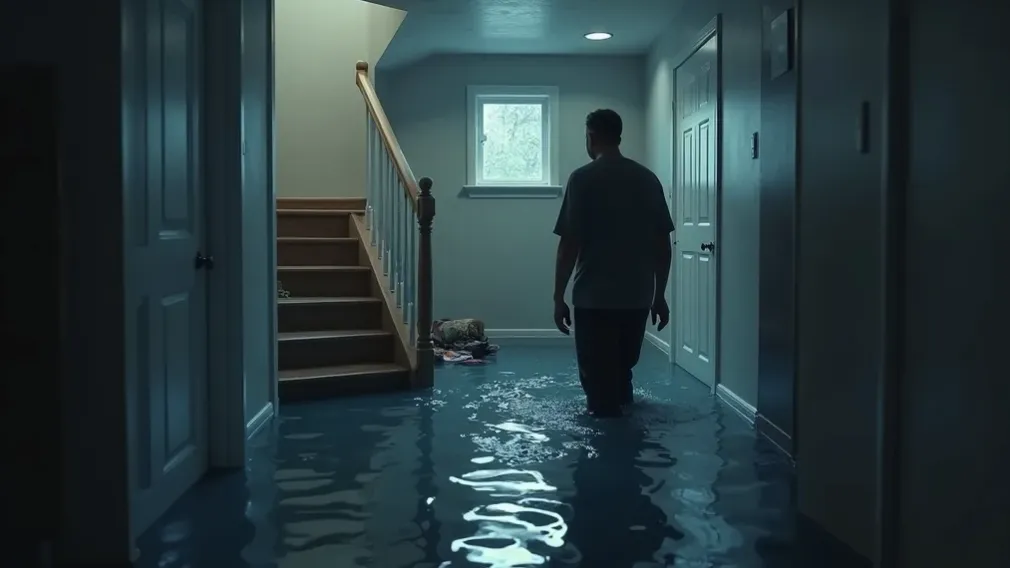
Imagine returning home after a storm to find your basement filling with water—the clock starts ticking the moment water enters your property. In the frantic first hours, professional water extraction makes the crucial difference between swift recovery and lasting, expensive water damage. The right response now will help minimize future repairs, mold growth, and structural issues.
Key Takeaway: Professional water extraction removes standing water quickly and prepares the property for proper drying and restoration.
What You'll Learn About Professional Water Extraction and Water Damage Restoration
The key steps and purpose of professional water extraction
Differences between water removal, water extraction, and drying
What to expect from professional water removal services in a residential setting
Types of equipment used by a professional water damage restoration company
Why fast standing water removal prevents secondary damage and mold
Understand the common mistakes and myths about emergency water removal
Introduction: Why Immediate Professional Water Extraction Is Crucial After Water Damage
Picture a basement suddenly flooded after a storm—speed and professional equipment make all the difference in limiting water damage and costly repairs. Here’s why your response in the first hours matters most.
Water emergencies don’t wait. Whether it’s the result of a burst pipe, storm flooding, or a major leak, the accumulation of standing water can quickly threaten the integrity and safety of your home. Many homeowners don’t realize that water can migrate into subfloors, drywall, insulation, and even reach electrical systems within minutes of a flood. The longer water remains, the greater the chance of warped floors, crumbling drywall, destroyed belongings, and dangerous mold.
That’s why professional water extraction is not just recommended—it’s often necessary. Trained technicians with advanced extraction equipment can remove standing water quickly, lift hidden moisture, and help prevent a minor incident from becoming a full-blown disaster. Delaying this critical step increases both the scope and the cost of repairs ahead.
For a closer look at the specific tools and methods used by restoration professionals, you can explore a detailed breakdown of essential water extraction equipment and their applications. Understanding these technologies can help homeowners appreciate the difference professional intervention makes during a water emergency.
What Is Professional Water Extraction?
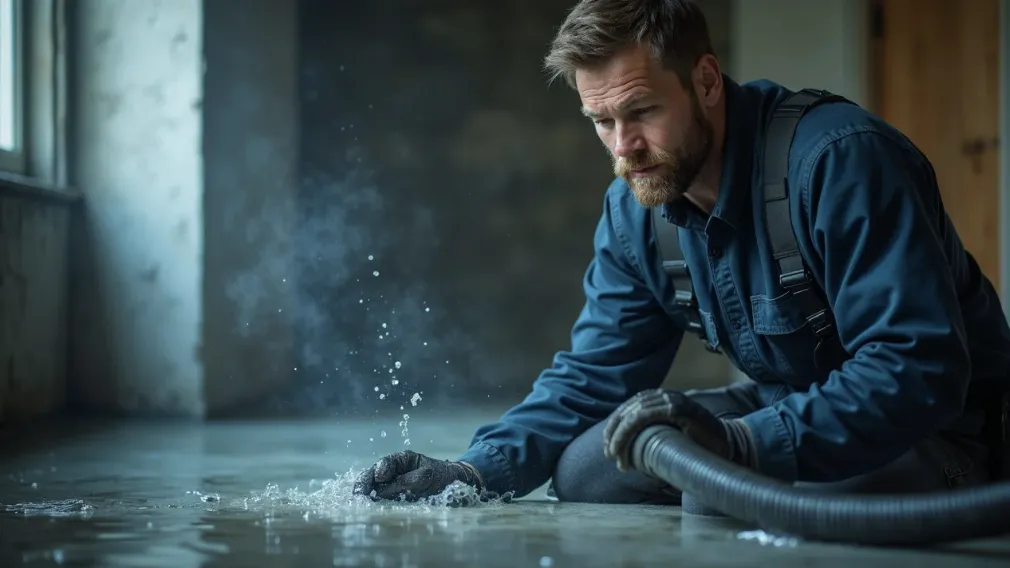
At its core, professional water extraction is the rapid and thorough removal of unwanted water from your property using compliant industry methods and specialized equipment. Unlike simple water removal—think mopping up a spill or vacuuming up a puddle—professional extraction penetrates deep into floors, walls, and hidden cavities where water can cause lingering harm.
The key difference is both in thoroughness and method. Professional companies use high-powered tools capable of lifting not just visible water but also hidden moisture from carpets, subflooring, and hard-to-detect pockets within a structure. This ability to comprehensively clear water is a cornerstone of effective water damage restoration. Without it, subsequent steps like structural drying and mold prevention are compromised.
Purpose and Process of Water Extraction in Restoration
Water extraction is the foundation of the water restoration process. Before professional drying, cleaning, and repairs can safely begin, all standing and absorbed water must be properly removed. If moisture remains, it can resurface later, leading to renewed mold growth and hidden water damage even after apparent cleanup. By establishing dry, stable conditions quickly, extraction enables rapid restoration and helps minimize health and safety risks for homeowners. Every major water mitigation project—whether in a flooded basement, kitchen, or entire house—starts with this crucial step.
Why Professional Equipment Matters in Water Extraction
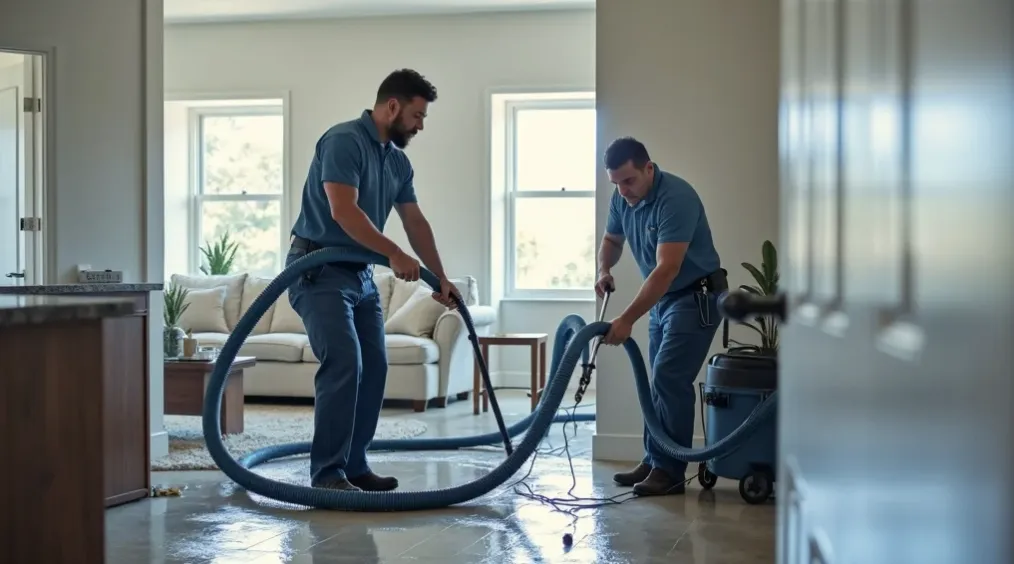
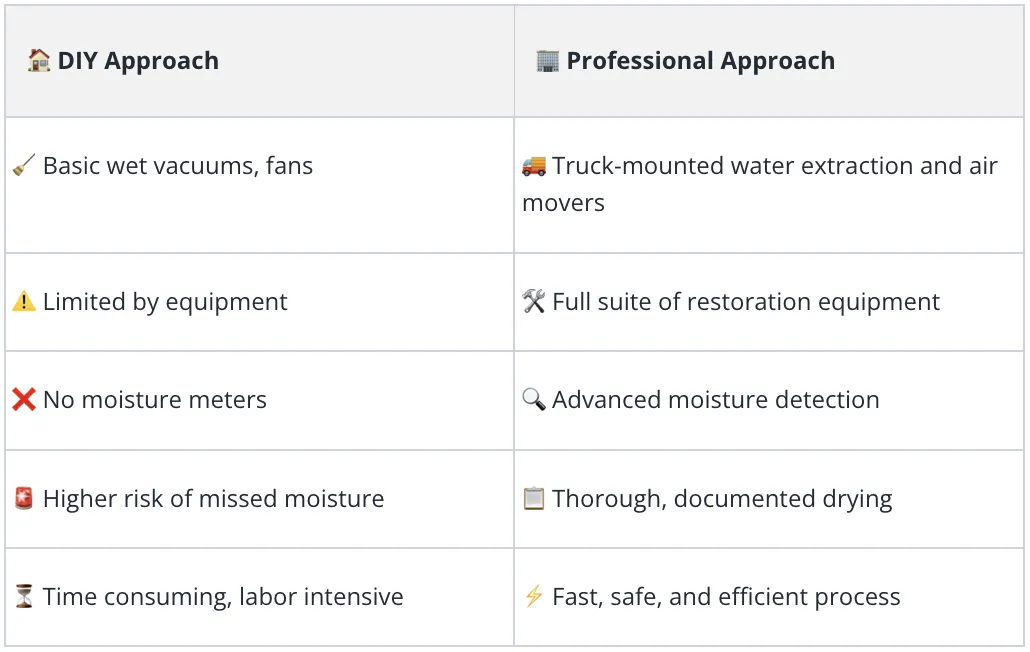
Household vacuums, towels, and small wet/dry units can’t match the performance of professional water removal equipment. Professionals deploy truck-mounted extraction units, commercial-grade portable extractors, substantial pumps, and sensitive moisture meters. These tools achieve powerful suction, reaching beneath surfaces and rapidly removing both standing and hidden water. Specialized extraction equipment significantly reduces both time and labor—and ensures that lingering moisture won’t threaten your property down the road.
What is Water Extraction in Water Damage Restoration?
Water extraction is the rapid removal of standing and hidden water from your property using commercial-grade equipment. It is the initial, emergency step in any safe, effective water mitigation process.
Why Fast Water Extraction Matters After Water Damage
When water intrudes into your home, time is your biggest enemy. Standing water can deteriorate building materials, warp floors, stain drywall, and foster unhealthy mold in as little as 24–48 hours. Immediate removal through professional water extraction is key to minimizing these consequences.
Every hour lost before extraction begins increases the risk of serious, lasting structural damage. Quick, thorough extraction prevents water from seeping deeper into floors and walls, reduces the area affected, and keeps repair costs contained. In most cases, the faster standing water removal is started, the less extensive restoration is needed.
Preventing Structural Damage With Prompt Water Extraction
Water can weaken foundations, rot framing, destroy subflooring, and ruin finished surfaces faster than most homeowners expect. Professional water extraction protects the integral components of your property—such as flooring, drywall, and key supports—from catastrophic harm. Working with a trained restoration company ensures structural drying is properly initiated, which can significantly reduce the scope of damage from an isolated leak or flood.
Mitigating Mold Risks Through Rapid Standing Water Removal
Fungi and mold growth need only 24–72 hours of moisture to become a hazard. Prompt, expert water removal services deprive mold of its moisture source before it can colonize. Restoration teams will use air movers and dehumidifiers alongside extraction to dry affected materials, protecting indoor air quality and helping to prevent mold-related health risks for you and your family.
Reducing Odors and Secondary Water Damage
Lingering water leads to persistent odors, especially when it stagnates in carpeting, drywall, or substructure materials. Professional extraction and drying target both sources of odor and reduce the risk of secondary water damage—such as warped wood, swollen drywall, or electrical concerns—by ensuring all affected areas receive attention right away.
Key Takeaway on Fast Water Extraction
Speedy professional extraction limits the scope and cost of water damage restoration, protecting your investment and your family’s health.
The Step-by-Step Professional Water Extraction Process
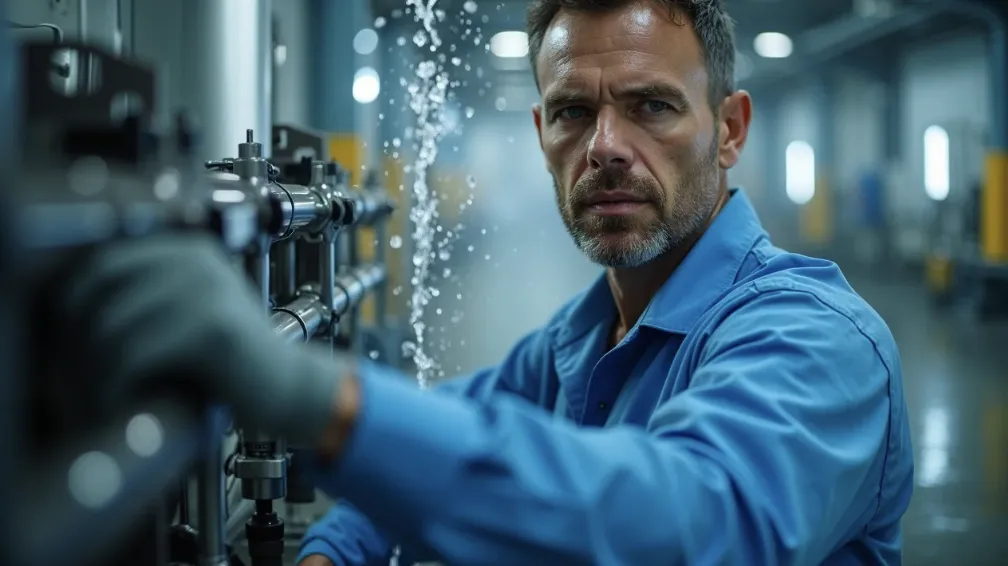
Safety assessment and inspection: Trained technicians first secure the area—checking for electrical hazards, contaminated water, or compromised structures.
Controlling the source of water intrusion: Identifying and stopping the flow's origin (e.g., shutting off water mains, sealing leaks).
Deployment of extraction equipment: The right equipment (truck-mounted extractors, submersible pumps, portable extractors) is selected for each unique situation.
Standing water removal from all surfaces: All visible water is removed using powerful extraction equipment, followed by attention to hidden puddles or cavities.
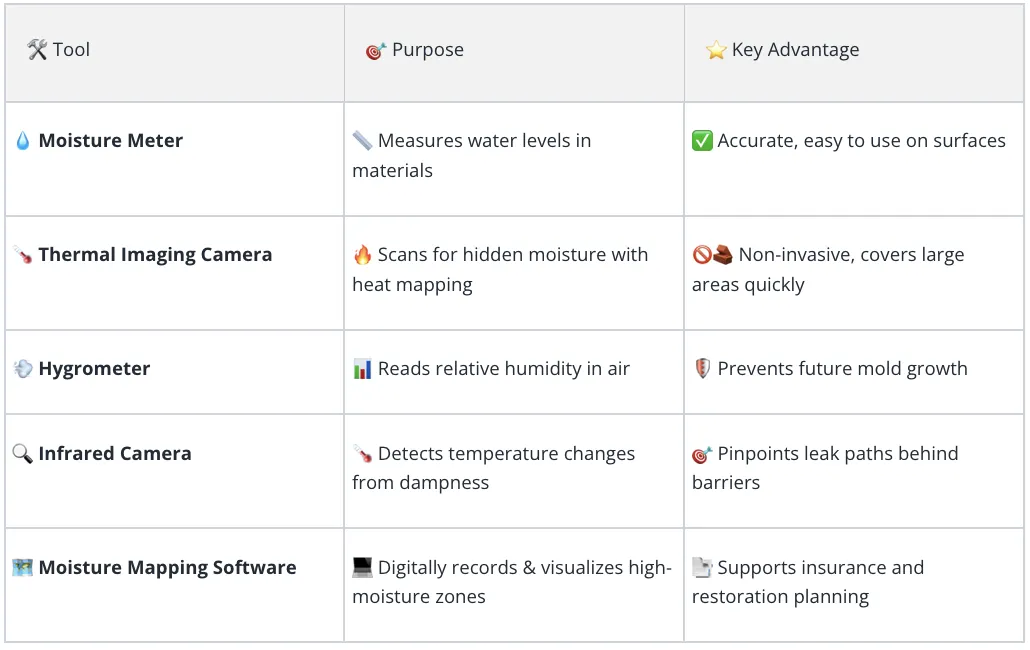
Moisture measurement and documentation: Moisture meters and, if needed, thermal imaging are used to track residual dampness and prove complete extraction for insurance and restoration records.
Preparing the site for air movers, dehumidifiers, and structural drying: Once water is gone, drying equipment is strategically placed to complete the process.
Water Extraction Process Flow Diagram
The flow of the water extraction process follows a logical chain: Assessment → Water Source Shutdown → Equipment Setup → Standing Water Removal → Moisture Detection → Drying Preparation. This professional approach ensures no step is missed and supports successful water damage cleanup.
Essential Equipment for Professional Water Extraction
Expert Insight: "Successful water extraction hinges on specialized extraction equipment—household vacuums simply can't match their power or precision."
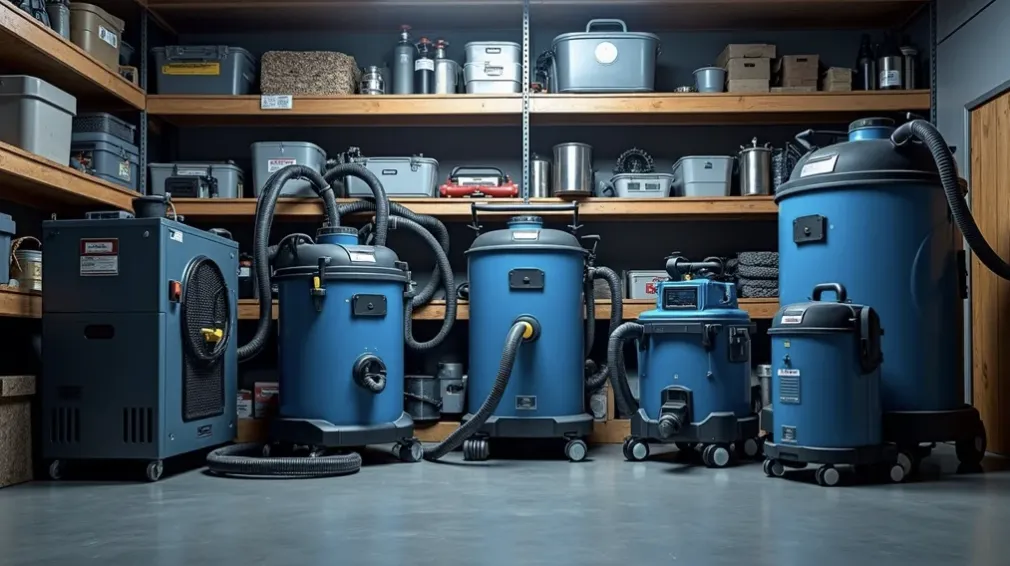
Truck-mounted water extraction units: Provide high-volume suction capability, ideal for major spills and entire floors.
Portable water extractors: Compact, powerful machines for localized or hard-to-reach flooding.
Submersible pumps: Remove deep standing water, especially where electrical connection is up high (for basements, etc.).
Wet/dry vacuums: Used for spot extraction and fine detail work after major standing water is cleared.
Professional air movers and dehumidifiers: Speed up evaporation and comprehensive drying following water removal.
Advanced moisture meters and sensors: Detect hidden moisture in walls, floors, and cavities.
Water Extraction vs Water Removal vs Drying: What’s the Difference?
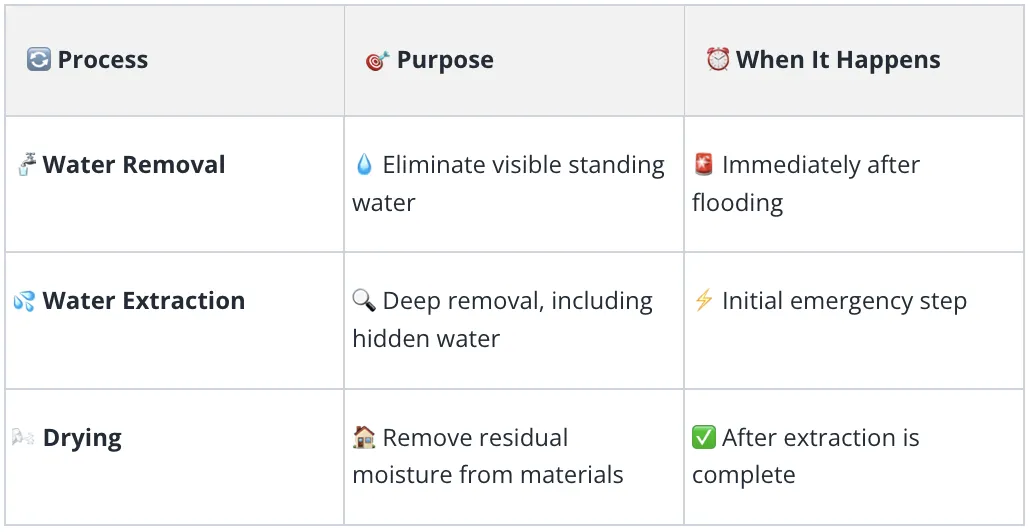
Many homeowners mix up these terms. In truth, a reputable water damage restoration company performs all three stages for healthy, long-lasting results. Stopping at visible water removal can leave hidden water trapped in porous materials, encouraging mold and lingering damage. Only by following professional procedures—removal, extraction, and then structural drying—will your property be truly restored.
DIY Water Removal vs Professional Water Extraction: A Side-by-Side Comparison
Checklist: When to Attempt Water Removal Yourself vs Call for Emergency Professional Water Removal
Minor spills, controllable leaks: DIY may be possible
Major flooding, basement water, visible structural damage: Call a water damage restoration company immediately
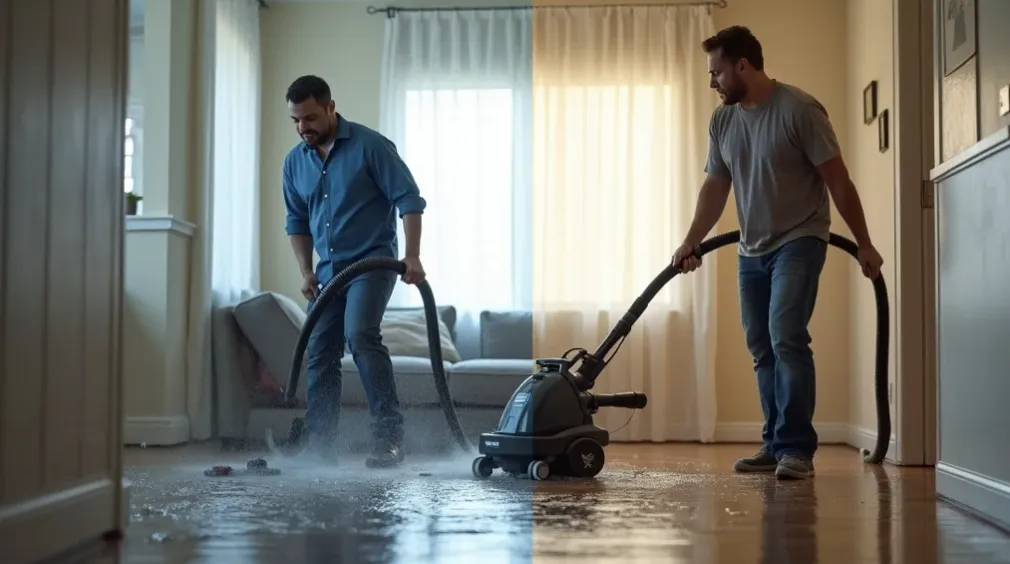
What happens after emergency response & inspection?
Factors That Affect the Water Extraction Process and Timeline
Key Variables in Professional Water Extraction
Volume of water involved
Type and saturation of affected building materials
Extent and accessibility of the affected area
Presence of hidden moisture and water migration patterns
Weather conditions and climate
Expert Insight: "Professional assessment is essential because water behaves unpredictably in a property. Every extraction is unique."
Why do some water extraction jobs take an hour while others last a full day? Factors like the amount of water, water source (clean, gray, or black water), affected area size, number of saturated floors or rooms, and even weather all play roles. Water often seeps under flooring or behind walls, forming hidden moisture pockets that require extra time and care to detect and dry. Only a trained technician with the right meters and experience can correctly map out and address these affected areas for complete restoration.
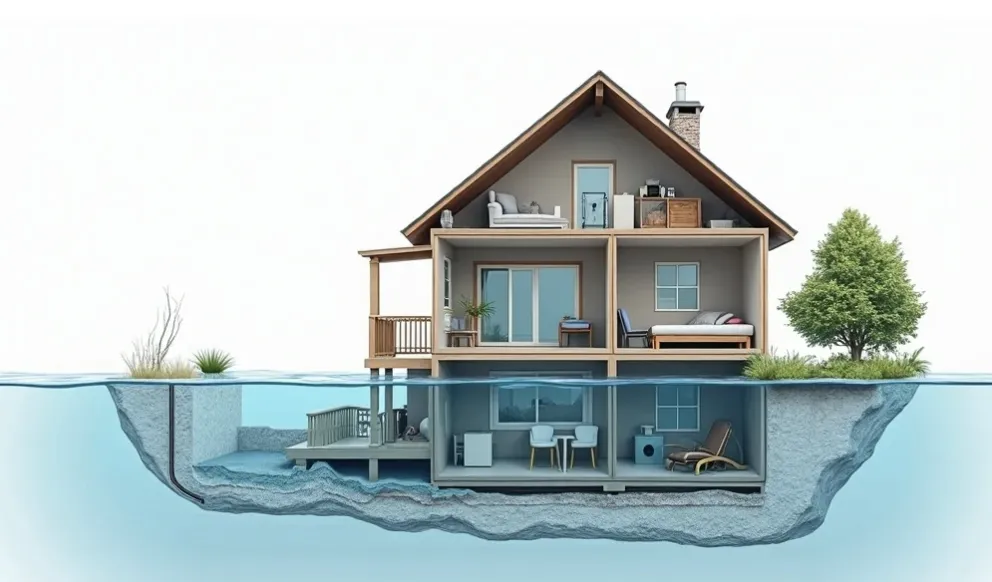
What Happens After Water Extraction Is Complete?
Structural drying using air movers and dehumidifiers
Detailed cleaning and sanitation of the affected area
Repairs and restoration of damaged materials
Final inspection to ensure moisture is fully removed
True water removal services don’t stop when the water is gone. Restoration teams proceed to strategic structural drying, using air movers and dehumidifiers to extract residual moisture from building materials. Cleaning crews sanitize surfaces to prevent bacteria and odors, and skilled trades repair and replace damaged flooring, drywall, or baseboards as needed. The process ends only after a meticulous final inspection, confirming all moisture levels meet safety standards.
Common Mistakes in Water Extraction to Avoid
Delaying water extraction after the incident
Relying solely on household fans for structural drying
Missing hidden moisture with basic tools
Walking on wet, unstable surfaces
Removing damaged materials without assessing safety
People Also Ask: Water Extraction and Water Damage Restoration
What is water extraction in water damage restoration?
Water extraction is the process of removing both visible and hidden water from a property using specialized equipment. It's a fundamental part of professional water damage restoration.
How quickly should water be extracted after flooding?
Water should be extracted as soon as possible—ideally within the first 24-48 hours—to minimize damage and reduce the risk of mold.
What equipment do professionals use for water extraction?
Restoration companies rely on truck-mounted extractors, portable extraction equipment, submersible pumps, wet vacuums, air movers, and moisture meters.
Can I remove standing water myself?
Homeowners can remove minor amounts of water with vacuums and towels. For significant flooding, professional water extraction ensures complete water and moisture removal.
How long does professional water extraction take?
The process varies based on factors like water volume, affected area, and material types. Most extractions are completed in several hours, but complex cases may take longer.
What happens after water extraction?
Professional water extraction is followed by drying with air movers and dehumidifiers, cleaning, repairs, and a final inspection to confirm everything is dry.
Is water extraction the same as water removal?
Water removal refers mostly to getting rid of standing water, while water extraction is a broader process that also addresses hidden and absorbed moisture.
Does water extraction remove moisture from walls and floors?
Yes, professional water extraction targets both surface and hidden dampness, followed by thorough drying of materials with specialized equipment.
Why is fast water removal important?
Quick water removal prevents escalation of structural issues, mold, and odor problems, preserving the integrity and safety of your home.
Will insurance pay for water extraction services?
Insurance coverage depends on your policy and the cause of water damage. Contact your provider and a water damage restoration company for documentation to support your claim.
Frequently Asked Questions: Professional Water Extraction and Restoration
What is professional water extraction? It’s the use of industrial-grade equipment to remove water—both visible and hidden—from a property after flooding or leaks.
Why is water extraction important after water damage? Quick, thorough extraction prevents further structural harm and reduces the risk of mold growth.
What equipment is used for water extraction? Truck-mounted extractors, portable extractors, pumps, wet/dry vacuums, air movers, dehumidifiers, and moisture meters are commonly used.
How does a restoration company remove standing water? Using high-powered pumps and extractors to quickly evacuate all visible water followed by moisture measurement.
Can a homeowner perform water extraction? For small spills, yes. For larger incidents, professional services guarantee a more thorough and safe restoration outcome.
How long does the water extraction process take? Duration varies by amount of water, structure, and accessibility but is usually completed within hours to a day.
What happens after water extraction is completed? Drying, cleaning, repairs, and inspection follow to fully restore the area.
Does water extraction prevent mold growth? Yes, thorough extraction and drying significantly reduce mold risk.
What is the difference between water extraction and drying? Extraction removes water from structure and materials while drying removes moisture trapped deep within them.
When should I call a water restoration company? Immediately after discovering extensive water intrusion, flooding, or if unsure about potential hidden moisture.
Contact Us to Find the Right Water Damage Restoration Solution for Your Needs.
Don’t wait in the face of water damage. Contact your local, qualified water damage restoration company now for a professional property assessment, rapid water extraction, and the complete peace of mind you deserve after an emergency.
If you’re interested in expanding your understanding of water damage recovery, consider exploring the broader landscape of restoration strategies and preventative measures. The Best Water Damage USA resource hub offers in-depth guides and expert advice on everything from emergency response to long-term property protection. By staying informed about the full restoration process, you’ll be better equipped to safeguard your home and respond confidently to future water emergencies. Take the next step and discover advanced solutions that go beyond extraction for lasting peace of mind.
S. Raj, M.D. /Bestwaterdamageusa.com
Director, Search Intelligence University/IABLEd
International Association for Business Leaders’ Education
Sources
Water Damage Restoration Performance Institute
The Definitive Curriculum for Water Damage Restoration, Mitigation, and Business Excellence.
Mitigare. Restituere. Protegere.
Mitigate. Restore. Protect.
Want Your World to Discover You,
the Easy Way?
Build your expertise in water damage restoration and unlock opportunities in the restoration industry.
We provide industry-focused education, practical training, and expert guidance to help you develop the knowledge and hands-on skills needed to excel in the fast-growing water damage restoration sector. Ask us how.
Copyright 2026. BEST WATER DAMAGE RESTORATION. All Rights Reserved.

* * * * *
COMPANY
30721 Russell Ranch Rd Suite 140, Westlake Village, CA 91362
CUSTOMER CARE
Get In Touch
Mon – Thurs
10:00am – 4:00pm
Fridays by Appointment
Saturday, Golf
Sunday –hurch
LEGAL
Stay informed about how new technology can make or break a brand.
FOLLOW US


Restore. Protect. Recover.
© 2026 Water Damage Restoration Intelligence Academy | All Rights Reserved.
1. Water Damage Restoration Foundations
2. Water Mitigation, Assessment & Safety
3. Restoration Procedures & Project Planning
4. Advanced Drying Technologies & Moisture Management
5. Restoration Maintenance, Quality Control & Operations
6. Bonus Restoration Masterclass Series