
How Professionals Eliminate Lingering Smells
Author; S.Raj, M.D, Updated: 8/12/2026 Reading Time: 5 Minutes
Odor Removal After Water Damage
Picture this: Your home finally dries out after a plumbing leak or basement flood, but an unmistakably musty smell still lingers in the air. No matter how many windows you open, or air fresheners you use, the odor just won’t leave. This scenario is not only frustrating but can indicate deeper problems beneath your walls or floors. Professional odor removal after water damage is more than masking smells—it’s about identifying hidden sources, restoring healthy air, and making sure your home truly recovers. This guide takes you step by step through what happens when professionals eliminate lingering odors after water damage, why odors persist, and what you need to know to reclaim a fresh, healthy living space.
What You'll Learn About Odor Removal After Water Damage
Understand why odors remain after water damage
Identify common water damage odors
Discover professional odor removal steps
Learn the importance of thorough drying
Avoid homeowner mistakes in odor mitigation
Know when to call a water damage restoration company
Why Water Damage Causes Odors
Unpleasant odors after water damage are more than a nuisance—they’re a warning that something in your home’s environment needs attention. These smells are often the result of interactions between moisture, building materials, and biological agents. When water soaks into porous materials like drywall, carpet, or wood, it creates a perfect environment for microbial growth. This can rapidly progress to mold growth or bacteria, both of which emit volatile organic compounds (VOCs) responsible for that musty odor. Complicating matters further, water that comes from contaminated sources or sewage backups deposits organic waste that generates strong, unpleasant smells and poses health risks. Poor airflow and condensation in closed spaces—such as basements or under floors—make it even more likely for these odors to take hold and persist.
"Water damage causes lasting odors due to damp materials, microbial activity, and contaminated water that is absorbed into your home’s structure."
Additionally, even after surface water seems to have dried, residual dampness can linger in hidden areas, feed mold and mildew, and trigger continuing musty smells. Carpets and padding, insulation, and wood framing can all trap water, drawing out the odor problem for weeks or months. This is why professional odor removal after water damage starts with detecting moisture and stopping microbial activity before deep cleaning and deodorizing can be truly effective. Ignoring the underlying moisture almost guarantees that musty, sour, or foul odors will eventually return to the affected area.
For a more detailed look at how restoration experts identify and treat hidden moisture and contamination, you can explore additional resources on professional water damage restoration techniques that address both visible and concealed odor sources.
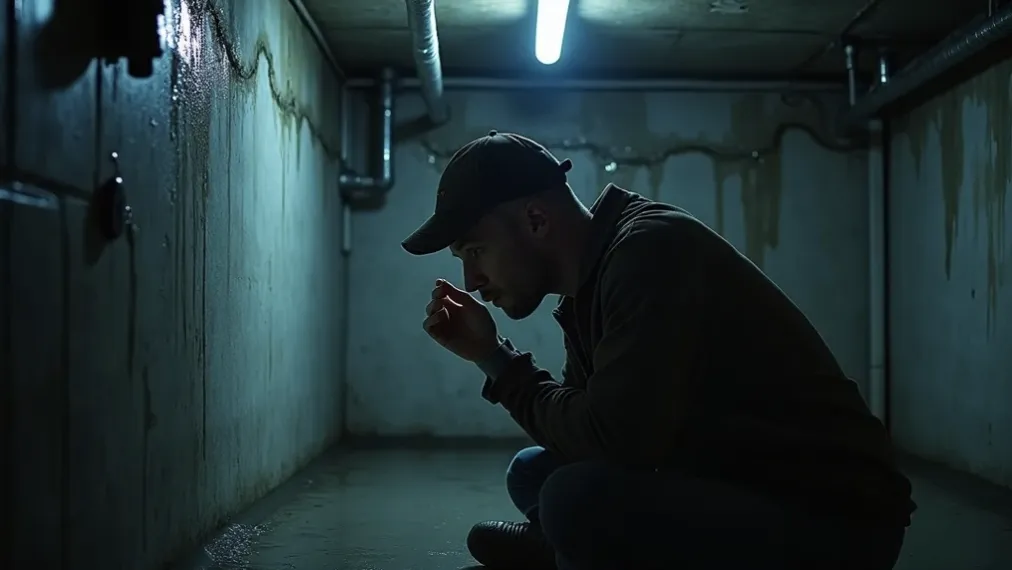
Moisture trapped in building materials
Mold growth and bacteria activity (musty odors)
Contaminated water and organic material absorption
Sewage backups and wastewater issues
Poor airflow and ventilation leading to persistent odors
Common Types of Water Damage Odors
After a water event, homeowners often notice a range of unpleasant odors. Recognizing the type of smell can point to its likely source, guiding restoration services towards the most effective solution. Below is a quick comparison of the most frequent odors and what they mean:
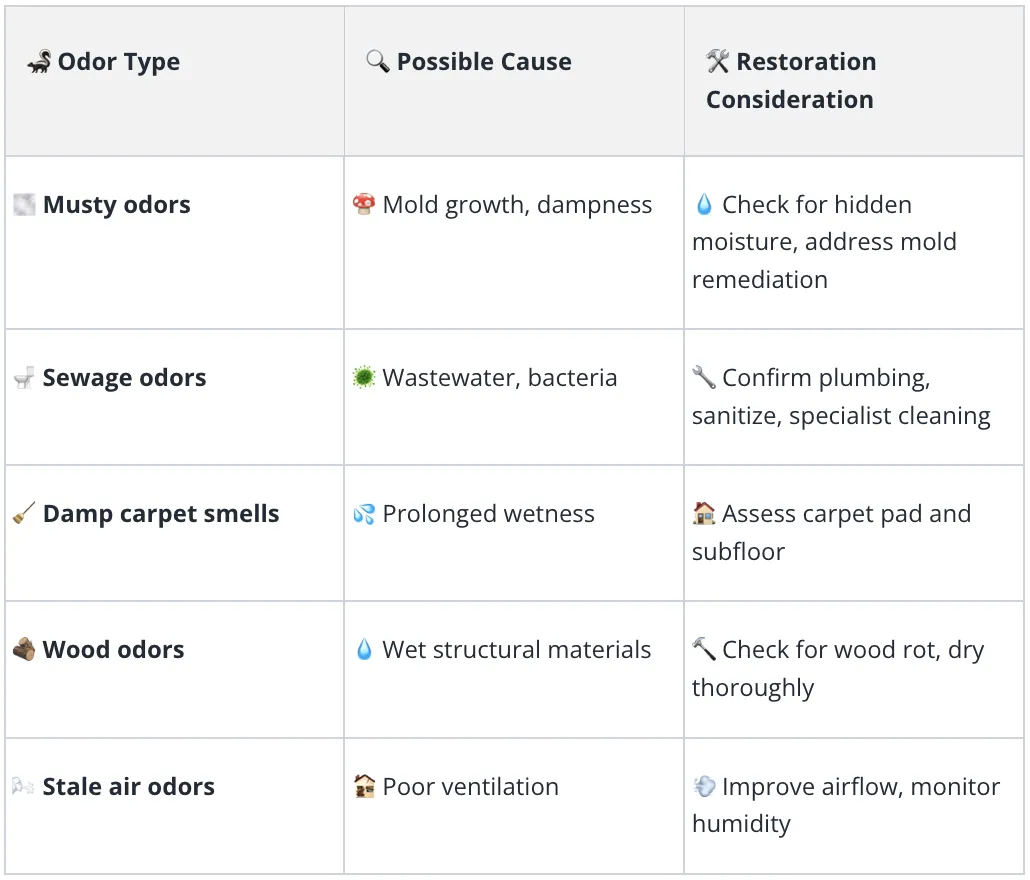
Distinguishing between a musty odor from mold and a sour smell from contaminated water helps restoration experts to focus their cleaning and deodorizing efforts where they matter most. It also alerts the homeowner to whether conditions are potentially hazardous, like with sewage, versus simply needing improved ventilation.
Why Masking Odors Does Not Solve the Problem
Limits of Air Fresheners and Fragrances in Odor Removal After Water Damage
When facing a persistent musty smell after water damage, it’s tempting to reach for air fresheners or room sprays. These products promise a quick fix, but in the world of odor elimination, they only cover up symptoms. In fact, excessive use of fragrances can mix with stubborn odors and sometimes make matters worse. More importantly, masking odors with sprays can trick homeowners into ignoring the real problem: hidden moisture, ongoing mold growth, or untreated contamination. Since the odor removal process works by eliminating the source, not just the symptoms, true relief requires thorough investigation and remediation of the cause behind the smell.
Air fresheners provide temporary results only
Fragrance products can mix with odors, sometimes worsening them
Masking odors may hide underlying issues like ongoing water damage or mold growth
Complete odor removal depends on eliminating the source
This is why professional restoration never relies on scent-masking products for water damage odor removal. Their primary goal is always to find and treat the underlying issue, ensuring that odors are truly gone, not just hidden for a few hours.
Expert Insight: "Professional odor removal after water damage is a systematic process—never just deodorizing the air."
The Professional Odor Removal After Water Damage Process
Step-by-Step: How Restoration Experts Address Odor Removal After Water Damage
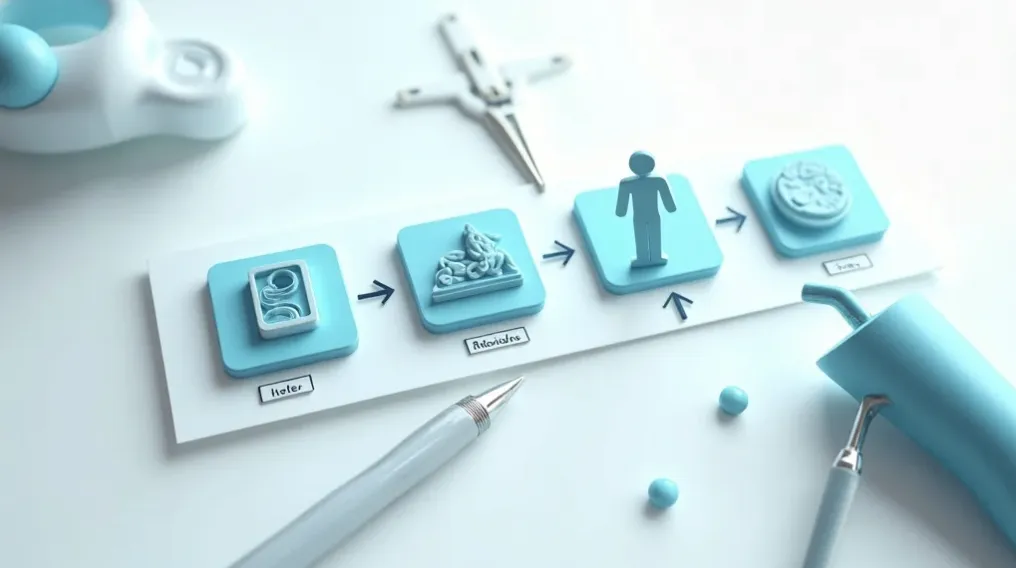
When it comes to eliminating lingering musty smells after flooding or leaks, professionals follow a structured, science-based process. This method ensures not only thorough odor removal but also that all related health and structural risks are addressed.
Workflow Overview: From the first inspection to the final air quality check, the process looks like this:
Identify the odor source: Technicians use nose, moisture meters, and inspection tools to pinpoint where the smell originates.
Inspect all affected areas: Every suspect surface, wall cavity, and hidden crevice is checked for water damage, mold, and contamination.
Assess moisture and potential mold growth: Moisture detection equipment and thermal cameras identify hidden dampness or active microbial colonies.
Remove contaminated materials when needed: Severely affected carpets, drywall, or insulation are safely cut out and disposed of.
Clean and disinfect exposed surfaces: Restoration-grade cleaning agents break down odor-causing residues, bacteria, and mold spores.
Apply professional odor removal or neutralizing methods: Specialized technologies like thermal fogging, ozone, or hydroxyl generators may be deployed based on the situation.
Verify elimination and improvement via air testing: Indoor air quality is assessed to confirm odors are gone before repair and reoccupation.
Visualize the process: Each step ensures odors are chased back to their source, not just covered up, using industry-leading techniques and ongoing testing.
This approach ensures that by the time your home is declared odor-free, the underlying water damage has been fully addressed, minimizing long-term health and comfort risks.
Professional Odor Control Methods for Water Damage
Cleaning, Deodorizing Agents, Air Filtration, and Specialized Treatment
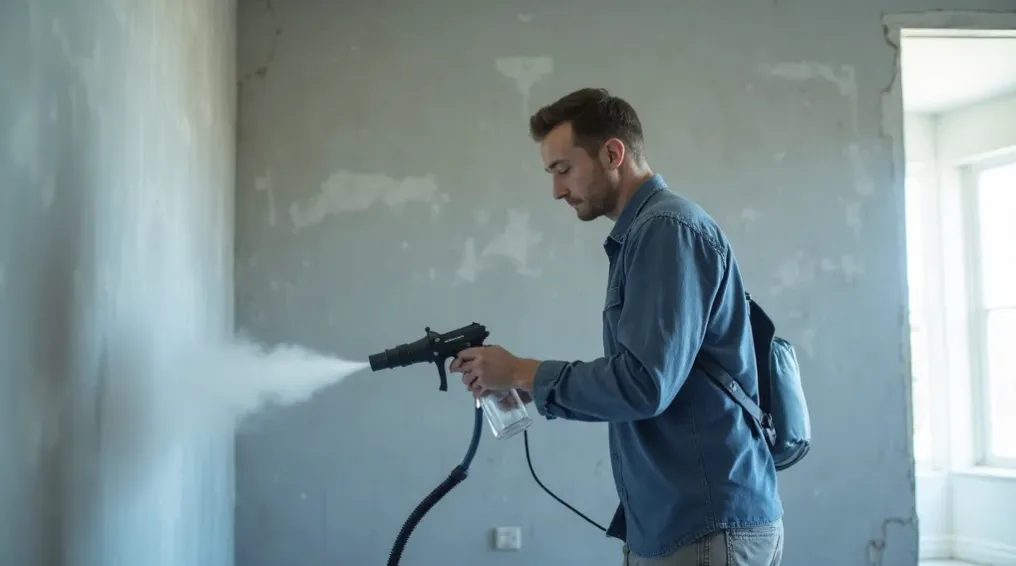
Restoration professionals utilize a range of advanced odor control methods, each selected according to the unique conditions of your affected area. Here’s how these approaches work together for complete odor neutralization:
Cleaning: Every effective odor removal project starts with meticulous cleaning to remove odor-causing residue from surfaces, carpets, walls, and furniture. This step is essential to minimize ongoing microbial growth and recurring smells.
Deodorizing Agents: Specialized restoration-grade deodorizers chemically neutralize lingering odors, targeting the molecules responsible for bad smells. Professionals carefully choose these products based on safety, occupancy, and materials affected.
Air Filtration: HEPA air purifiers and industrial air movers filter airborne mold spores, particles, and odor compounds, ensuring indoor air is not just fresher but also healthier to breathe during and after restoration.
Special Treatments: Techniques such as thermal fogging, ozone, hydroxyl, or vapor technology are reserved for persistent, deeply embedded, or high-risk odors. These methods penetrate places that cleaning alone cannot reach and are applied only after a thorough assessment by the restoration company.
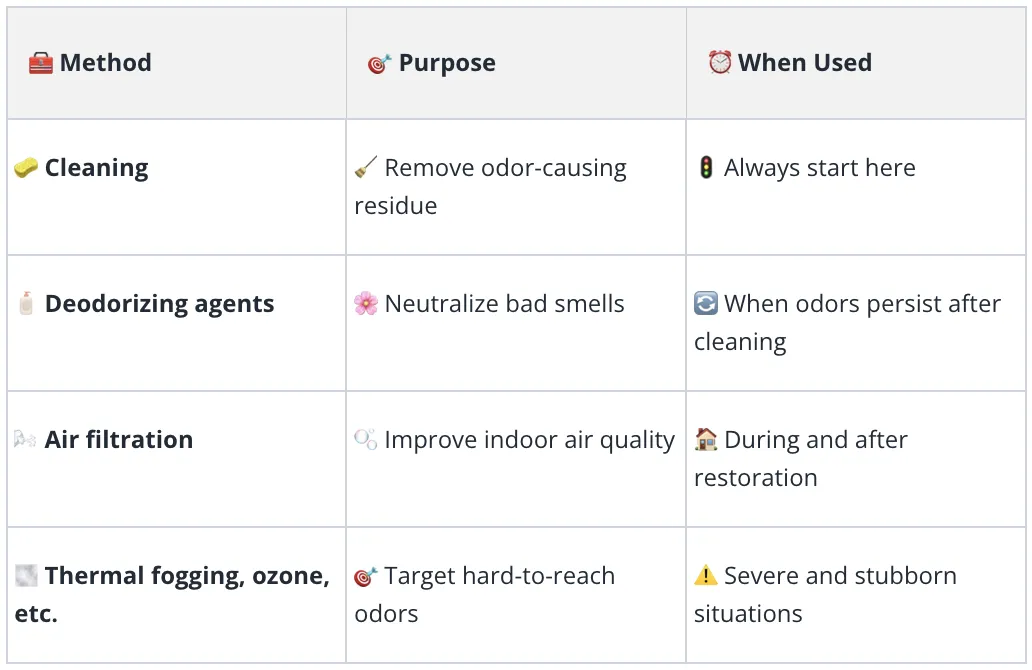
With these combined approaches, professional odor removal delivers healthier, longer-lasting results that go far beyond any store-bought solution.
Relationship Between Drying and Odor Removal After Water Damage
Why Thorough Drying Is Crucial for Long-Term Odor Removal
Drying is a cornerstone of all water damage restoration and critically influences odor elimination. Lingering moisture fuels mold growth and musty odors. Even the most advanced deodorization methods will fail if structural drying is incomplete. Professionals use a combination of commercial-grade dehumidifiers and powerful air movers to extract water—even from deep within walls and floors—and reduce indoor humidity to levels where microbial activity slows or stops. By focusing on complete drying, professionals ensure that hidden pockets of dampness don’t reignite the cycle of musty odors later.
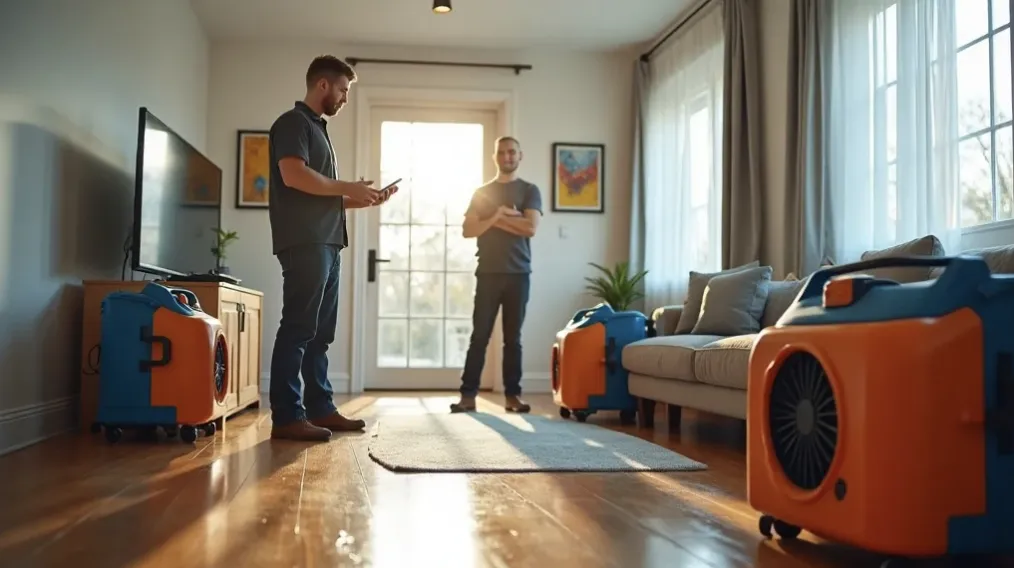
Drying prevents mold growth and musty smells
Proper equipment (dehumidifiers, air movers) is essential
Recurring odors often result from incomplete moisture removal
In short, if the smell persists after restoration, it typically signals a spot that was missed during drying. Professional teams are trained to use moisture meters and thermal imaging, ensuring no dampness is left behind to spark unwanted odors after repairs are finished.
Common Homeowner Odor Removal Mistakes After Water Damage
Only masking musty odors without source removal
Overusing fragrance sprays instead of fixing the root problem
Ignoring lingering humidity or hidden moisture in building materials
Cleaning without checking for contamination or mold
Returning to normal living while odors persist
Not contacting a professional odor removal service when needed
Avoiding these mistakes can save both money and health. When in doubt, it’s always time to call a restoration company for an expert assessment if strange smells linger after water mitigation is finished.
DIY Odor Removal versus Professional Odor Removal After Water Damage
Many homeowners start by trying familiar cleaning products hoping for quick results. But while DIY efforts may seem cost-effective upfront, they often fail to identify moisture issues, contamination, or health risks hidden beneath the surface. Here’s how the two approaches compare:
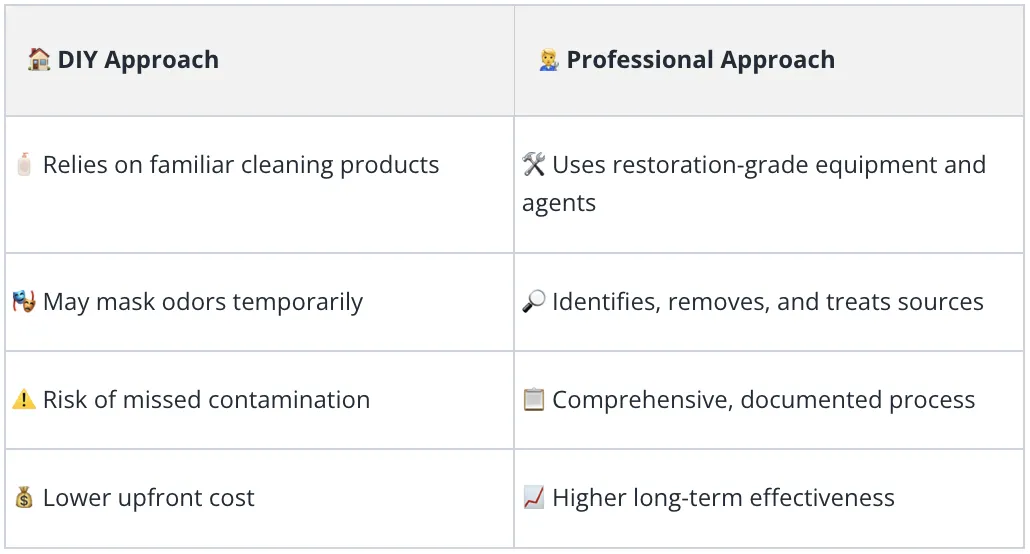
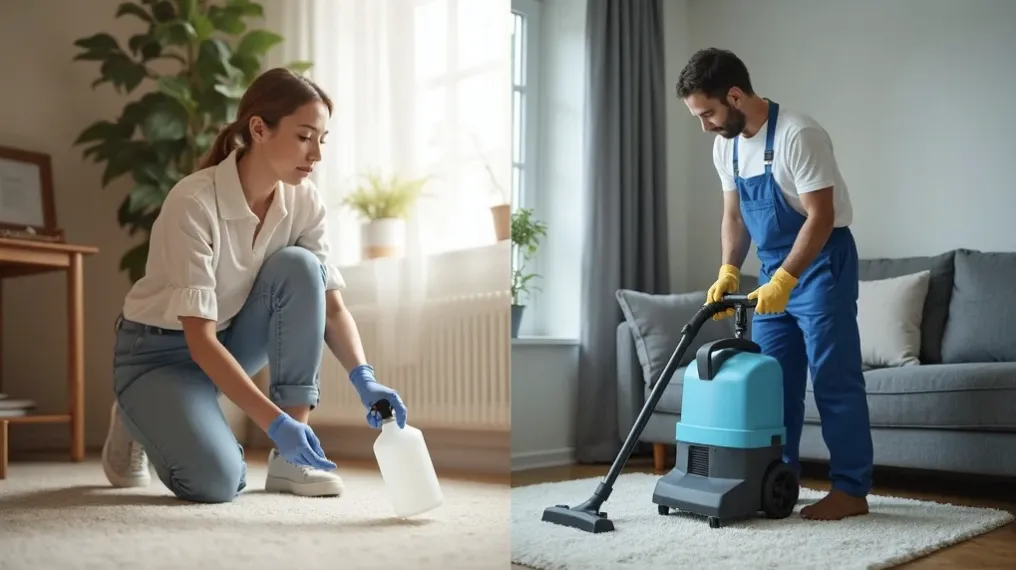
The affected area after water damage may require deep cleaning, industrial drying, air scrubbing, and even structural repairs. Professionals document every step, ensuring both odor control and a return to healthy living standards—providing true peace of mind.
What Happens After Odor Removal After Water Damage?
Final verification that odors are gone through air quality and visual inspection
Restoration repairs to walls, floors, or finishes as needed
Ongoing monitoring for recurring moisture or odor
Returning the home to normal, healthy use for your family

Key Takeaways on Odor Removal After Water Damage
Odor removal after water damage requires addressing the underlying cause—never just masking smells.
Professional odor removal means source identification, proper drying, and using the right restoration technology.
Musty or sewage odors are often warning signs that call for further inspection or reveal hidden water damage.
People Also Ask: Odor Removal After Water Damage
Why does my house smell after water damage?
Water-damaged materials harbor moisture, mold, and bacteria that produce persistent odors—especially in carpets, drywall, and wood. Often, a musty smell after water damage points to affected areas that need professional attention.
How do you remove musty smells after flooding?
Professionals use a step-by-step process: identify the source, confirm drying is complete, clean contaminated surfaces, use targeted odor removal products, and verify deodorization with air testing equipment.
Can water damage odors go away on their own?
Not usually. Lingering odors typically remain unless the source is eliminated. If the area stays damp, musty odors are likely to persist or worsen as mold or bacteria continue to grow.
What causes odors after water damage restoration?
Odors after water damage restoration are commonly caused by residual moisture, incomplete cleaning, lingering contamination, or hidden mold growth not yet addressed during initial cleanup.
How do professionals remove bad smells from a house?
They follow a seven-step process: source identification, inspection, moisture testing, removal of affected materials, professional cleaning, specialized deodorization, and verification of results.
Does drying remove water damage odors?
Proper structural drying greatly reduces odor risk, but deep cleaning and deodorization are still needed if contamination or microbial growth occurred.
Can mold cause a musty smell after water damage?
Yes. Mold growth in moist environments creates persistent musty odors. Mold remediation is essential for eliminating this type of smell.
What products are used for odor removal?
Restoration professionals use specialized deodorizing agents, HEPA air filtration, and, in some cases, advanced tools like ozone or vapor systems, depending on odor severity.
How long does water damage odor removal take?
It varies by the size of the affected area and level of contamination, typically ranging from several hours to multiple days for severe incidents.
When should I hire a professional odor removal service?
If odors remain after visible cleanup, signs of mold or contamination persist, or the source is not easily identified, contact a specialist in water damage restoration and odor removal.
FAQs: Odor Removal After Water Damage
What causes odors after water damage? — Lingering odors typically arise from moisture, mold, bacteria, and organic residues left in building materials.
Why does my home smell musty after flooding? — Musty odors commonly result from damp surfaces and microbial growth following a flood.
How do professionals perform odor removal? — By systematically identifying odor sources, removing contamination, cleaning, drying, and applying targeted deodorization techniques.
Can air fresheners remove water damage odors? — No—air fresheners mask but do not remove persistent odors resulting from water damage.
What is deodorization in restoration? — It’s the process of neutralizing odors at their source after cleaning and drying are complete.
What equipment is used for odor control? — Commercial air movers, dehumidifiers, HEPA air scrubbers, and sometimes advanced treatments like thermal fogging or ozone.
Can odors mean there is hidden moisture? — Yes—persistent odors often indicate unseen dampness, which necessitates further inspection.
Does drying remove all water damage smells? — Drying greatly reduces odor risk but does not always eliminate all odors unless combined with cleaning.
How long does professional odor removal take? — Timing depends on contamination severity; most projects are completed within one to several days.
When should homeowners contact a restoration company? — If odors persist after basic cleaning and drying, or new smells develop, professional assessment is recommended.
Encouraging Next Step
S. Raj, M.D. /Bestwaterdamageusa.com
Director, Search Intelligence University/IABLEd
International Association for Business Leaders’ Education
Sources
Water Damage Restoration Performance Institute
The Definitive Curriculum for Water Damage Restoration, Mitigation, and Business Excellence.
Mitigare. Restituere. Protegere.
Mitigate. Restore. Protect.
Want Your World to Discover You,
the Easy Way?
Build your expertise in water damage restoration and unlock opportunities in the restoration industry.
We provide industry-focused education, practical training, and expert guidance to help you develop the knowledge and hands-on skills needed to excel in the fast-growing water damage restoration sector. Ask us how.
Copyright 2026. BEST WATER DAMAGE RESTORATION. All Rights Reserved.

* * * * *
COMPANY
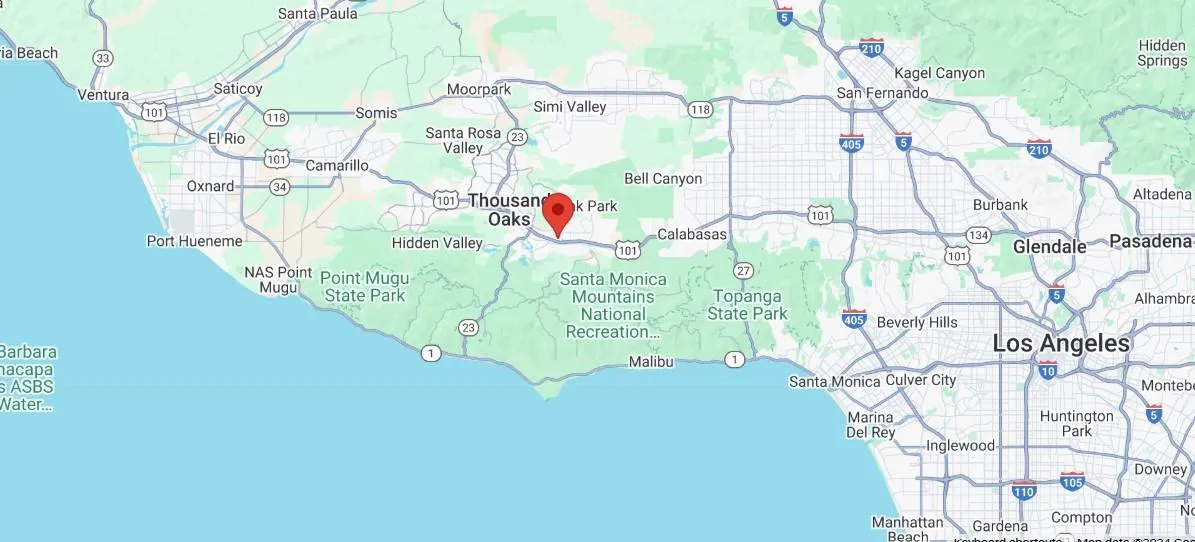
30721 Russell Ranch Rd Suite 140, Westlake Village, CA 91362
CUSTOMER CARE
Get In Touch
Mon – Thurs
10:00am – 4:00pm
Fridays by Appointment
Saturday, Golf
Sunday –hurch
LEGAL
Stay informed about how new technology can make or break a brand.
FOLLOW US


Restore. Protect. Recover.
© 2026 Water Damage Restoration Intelligence Academy | All Rights Reserved.
1. Water Damage Restoration Foundations
2. Water Mitigation, Assessment & Safety
3. Restoration Procedures & Project Planning
4. Advanced Drying Technologies & Moisture Management
5. Restoration Maintenance, Quality Control & Operations
6. Bonus Restoration Masterclass Series