
How Professionals Restore Damaged Belongings
Author; S.Raj, M.D, Updated: 8/12/2026 Reading Time: 5 Minutes
Contents Restoration After Water Damage
Imagine this: A burst pipe soaks your family room, the water not only threatening floors and walls but also ruining photographs, books, cherished keepsakes, and electronics. While walls and floors can often be replaced, some belongings feel irreplaceable. The good news? Professional contents restoration after water damage can breathe new life into your most treasured possessions, giving hope in distressing moments.
Protecting More Than Walls: Why Contents Restoration After Water Damage Matters

Water damage impacts far more than the visible structure of a property. When floods, leaks, or emergencies arise, contents restoration becomes an essential part of the recovery process, focusing on saving items that hold both monetary and sentimental value. The restoration process involves much more than drying floors—it's an approach designed to reclaim, restore, and return cherished possessions so homeowners can begin moving forward after loss.
From family photos to heirloom furniture, effective contents restoration after water damage can mean the difference between loss and recovery. Valuables might appear destroyed at first glance, but with specialized property restoration services and advanced equipment like air movers and dehumidifiers, professionals can often salvage even heavily affected belongings. This not only prevents unnecessary financial strain but also preserves memories that cannot be bought back—making contents restoration a true lifeline for families experiencing a water damage emergency.
"After water damage, many homeowners are surprised to learn that cherished belongings—photos, heirloom furniture, and important documents—can often be restored, not just replaced." – Certified Contents Restoration Specialist
The Role of Contents Restoration in Water Damage Recovery
Contents restoration helps save valuables, not just structure
Specialized methods used for personal property restoration
Reduces unnecessary costs and preserves memories
What You’ll Learn in This Guide to Contents Restoration After Water Damage
What contents restoration is and why it matters
Types of items commonly restored after water damage
Step-by-step overview of the restoration process
How professionals assess and document belongings
When to salvage vs. replace water damaged contents
How pack out services and inventory benefit homeowners
Common mistakes and how to avoid them
What Is Contents Restoration After Water Damage?
Definition and Purpose of Contents Restoration
Contents restoration after water damage is the process of cleaning, drying, repairing, and returning personal property and valuables affected by water incidents. While water damage restoration often focuses on building materials and structural elements, contents restoration is dedicated to salvaging what makes a house a home: furniture, artwork, electronics, photos, keepsakes, clothing, and vital documents. The goal is not simply to clean, but to restore—whenever possible—both the function and appearance of these items.
This service is particularly valuable after events such as a burst pipe, weather-related flooding, or sewage backup. Using advanced tools like air movers, moisture meters, and specialty cleaning agents, restoration specialists develop tailored strategies based on the material type, extent of water intrusion, contamination (for instance, black water scenarios), and loss condition. With the right expertise and timely intervention, restoration companies achieve impressive recovery results, helping homeowners reclaim much more than just building structure.
Differences Between Contents Restoration and Structural Restoration
Structural restoration addresses permanent, load-bearing parts of the home—such as drywall, flooring, insulation, and beams—often requiring removal and replacement in cases of severe damage. In contrast, contents restoration focuses on movable property inside the home. The processes, tools, and skills for restoring a water-damaged antique dining table differ from those needed for wall reconstruction. This distinction ensures both your physical home and your personal belongings get the attention and specialized care required for full recovery.
It's important to note that while both services are sometimes required after a water damage emergency, each requires a different restoration process, expertise, and set of equipment. Professional restoration companies often coordinate both efforts in parallel to provide seamless recovery for homeowners.
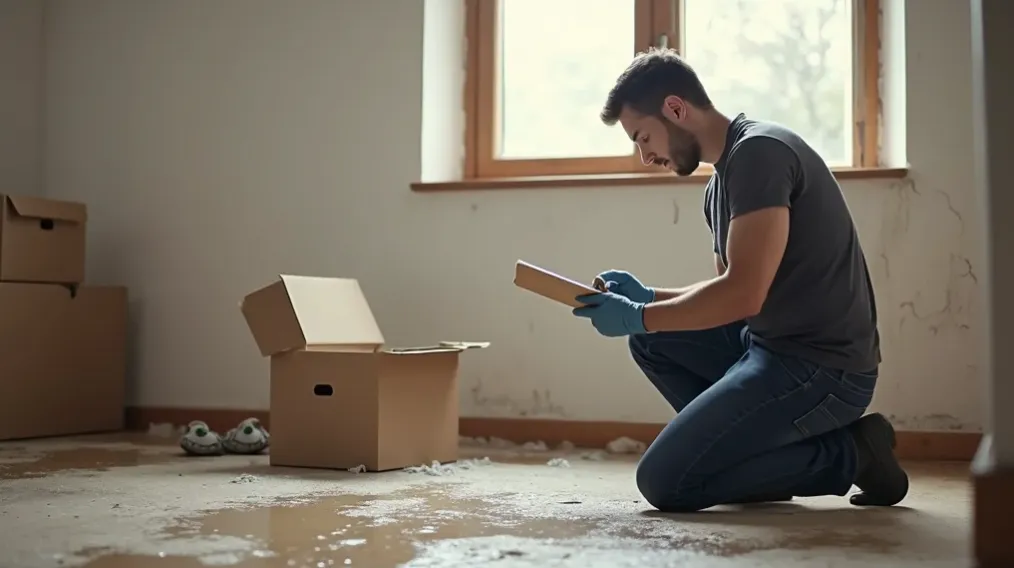
Why Damaged Belongings Restoration Requires Specialized Care
Personal belongings are made of diverse materials—wood, textiles, paper, plastic, metals, and electronics—all of which respond differently to water exposure. For instance, a piece of antique wood furniture may warp or crack if dried too quickly or with the wrong method, while important documents require techniques like freeze-drying to prevent ink migration and mold growth. DIY attempts often result in permanent damage or create health risks due to remaining moisture or contamination from standing water.
Restoration professionals receive specialized training in contents handling, safety protocols for contaminated items (such as those exposed to black water or sewage backup), and the use of advanced cleaning and drying technologies. This expertise maximizes recovery chances for your belongings and ensures that items are properly sanitized and safe to use again. For irreplaceable items, trusting the process to a certified restoration service offers the best path to salvage and restoration.
For homeowners interested in a deeper dive into the full spectrum of water damage recovery, including both structural and contents restoration, you can explore additional resources at Best Water Damage USA. Their comprehensive guides offer practical tips and step-by-step advice for managing water emergencies and protecting your property.
Why Contents Restoration After Water Damage Is Essential
Protecting Sentimental and Financial Value
The value of possessions often goes far beyond dollars and cents. Water damage can strike at the heart of what makes a home unique: wedding albums, children’s artwork, prized books, and family heirlooms all hold memories that can't be replaced. Professional contents restoration after water damage strives to preserve these irreplaceable treasures through careful cleaning and specialized restoration methods.
Even items with primarily financial value—like designer clothes, electronics, and appliances—warrant expert attention. Successful personal belongings recovery means homeowners avoid the overwhelming cost and stress of total replacement, while also minimizing overall property damage.
Contents Restoration to Reduce Unnecessary Replacement Costs
The instinct after a water damage emergency may be to throw away everything affected, but this can result in thousands of dollars in avoidable expenses. Restoration services can often recover furniture, clothing, and household goods—even if they initially appear ruined. The expertise of a water damage restoration company helps homeowners discern what can be saved versus what must be replaced, keeping more in your home and less in the landfill.
Insurance companies also prefer viable contents cleaning services over replacement, as documented restoration typically costs less than buying new items. Comprehensive inventory and photo documentation prepared by restoration professionals strengthen claims and ensure reimbursement for property that truly must be replaced.
Preserving Family Heirlooms and Important Items
Some belongings carry emotional significance spanning generations—grandfather’s watch, a child’s first drawing, hand-stitched quilts, or rare books. Losing these to water incidents can feel devastating. Contents restoration after water damage seeks creative methods (like art conservation or document restoration services) to recover and conserve these treasures. When disaster strikes, every effort is made to salvage what matters most, giving families comfort and continuity in challenging times.
The use of pack out services ensures that precious items are safely removed from the affected environment, transported without risk of additional loss, and given the focused care needed for restoration—maximizing the chances of full recovery.
Insurance and Documentation for Damaged Belongings Restoration
Accurate inventory and documentation are critical for a smooth insurance claims process. Restoration technicians create detailed records—including photos, descriptions, and damage specifics—helping both property owners and insurance companies agree on loss condition and cost estimates. Without this thorough inventory, claims may be denied or delayed, and reimbursement can become much more challenging.
Most insurance policies cover contents restoration but require evidence of damage and proof of attempted recovery. Working with a professional restoration company increases your chances of successful claims while ensuring that nothing important is overlooked in the chaos following a water damage situation.
Restoration Process for Damaged Belongings After Water Damage
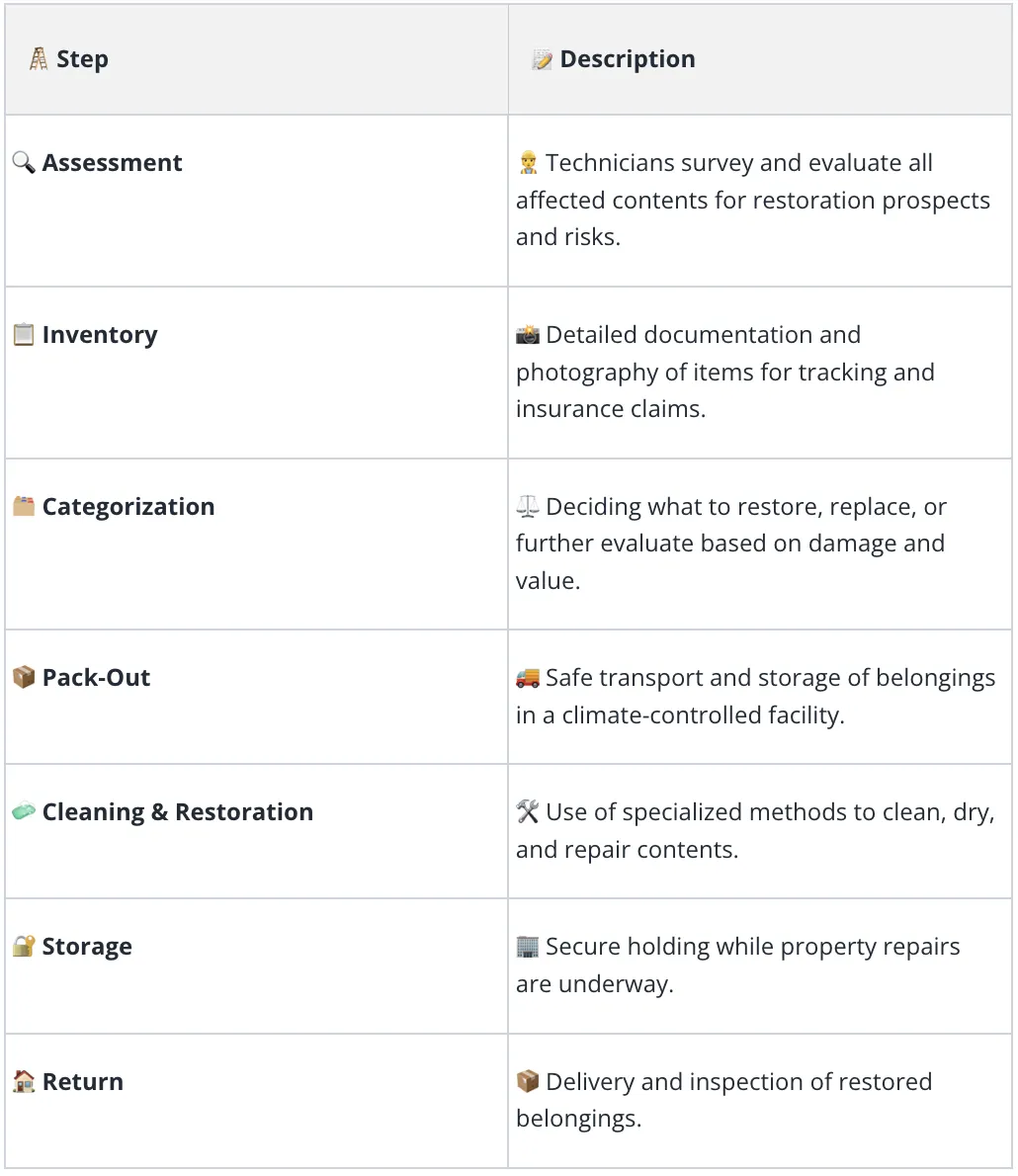
Step 1: Initial Contents Assessment
After water intrusion or a damage emergency, the restoration process begins with a complete assessment of all affected belongings. Technicians wearing protective gear inspect each room to identify items impacted by water, including furniture, textiles, documents, electronics, and decor. They assess contamination level (clean water vs. black water), item vulnerability, and overall loss condition.
Early and accurate assessment helps prioritize high-value or irreplaceable items for immediate attention. If standing water or contaminated building materials present a health risk, professionals take containment steps to protect both occupants and their belongings.

Step 2: Documentation and Inventory of Personal Belongings
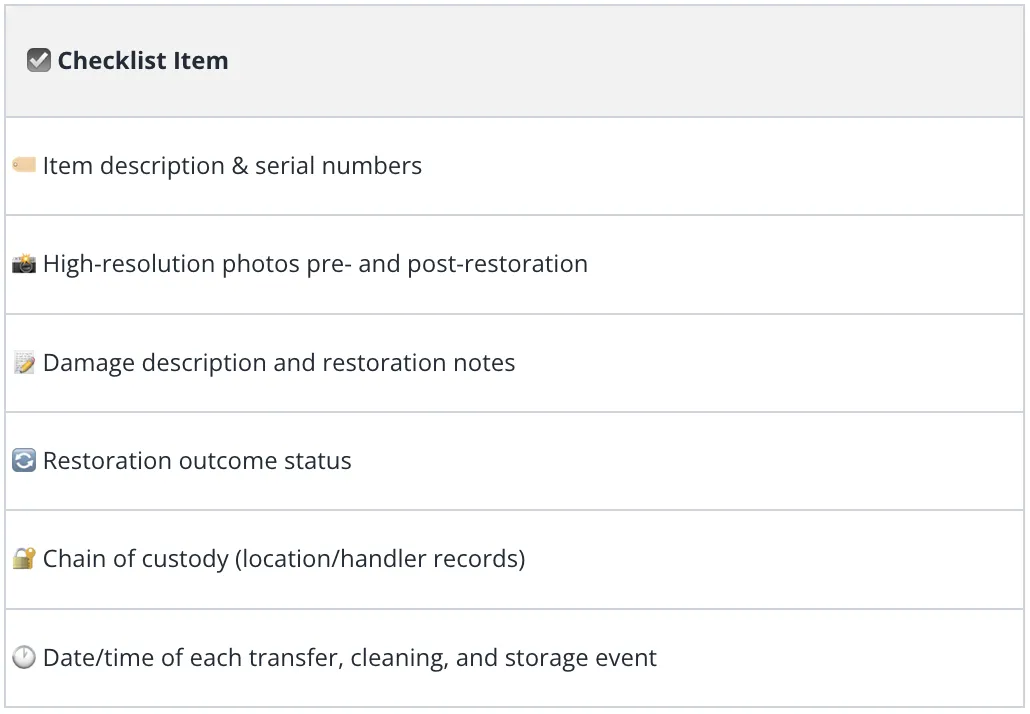
Every item slated for restoration is carefully documented and photographed. Restoration crews use digital tablets or handwritten lists to record brands, descriptions, serial numbers (for electronics), and visible damage details. This comprehensive inventory is vital for tracking items through each stage of the damage restoration process and serves as essential evidence for insurance company claims.
Inventory documentation isn't just about insurance—it helps homeowners keep peace of mind during an overwhelming time and ensures nothing is misplaced or accidentally discarded.
Step 3: Categorizing Salvageable and Unsalvageable Items
Not every water-damaged belonging can—or should—be restored. Experts separate contents into three categories: salvageable (safe and practical to restore), unsalvageable (contaminated, severely damaged, or hazardous), and undecided (requiring further evaluation). This triage is based on item material, damage severity, health risk (such as from mold growth or sewage backup), and restoration costs versus replacement value.
Transparent communication helps homeowners make informed choices about retaining sentimental items and discarding those beyond help, optimizing both emotional and financial outcomes.
Step 4: Pack-Out Services and Transportation
Pack out services involve gently packing, labeling, and transporting affected contents to a secure off-site restoration facility. Moving belongings out of the damaged environment allows restoration teams to work in climate-controlled, specialty-equipped spaces while repairs proceed at home. Pack-out also prevents ongoing exposure to moisture or contaminants and reduces additional property damage.
Professional pack-out follows strict chain-of-custody protocols, ensuring every item is tracked and protected from loss or theft throughout the process.
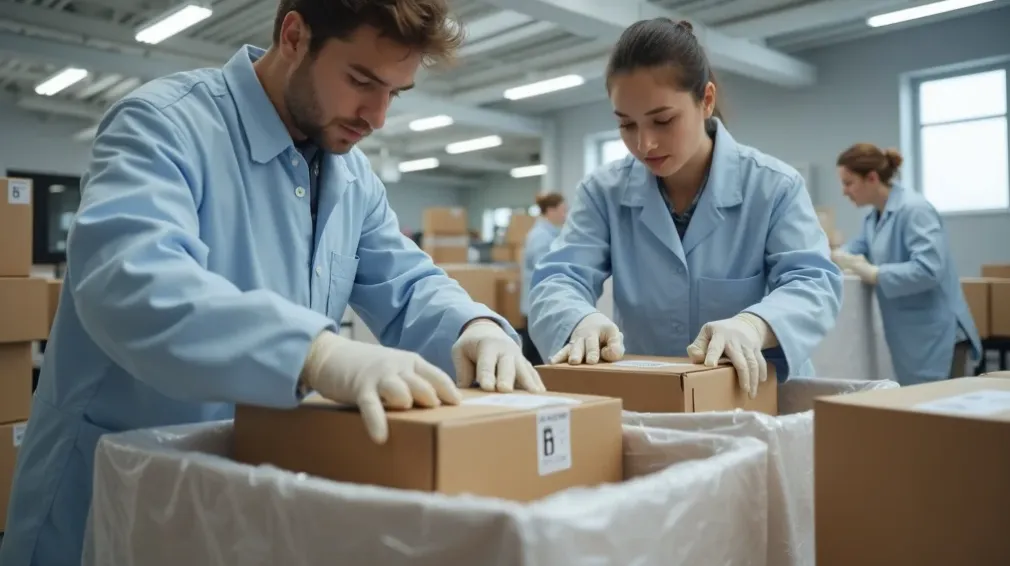
Step 5: Contents Cleaning Services and Restoration Methods
With belongings safely relocated, specialized contents cleaning services begin. Here, teams use various restoration techniques—such as ultrasonic cleaning (for delicate items), industrial dryers, ozone deodorization, and antibacterial treatments. Each item’s needs are matched to cleaning protocols, whether it’s gently cleaning a photograph or thoroughly sanitizing a rug or mattress.
Restoration facilities are also equipped to remediate issues such as lingering odors, mold growth risk, or microbial contamination, returning items to safe and hygienic condition.
Step 6: Secure Storage of Contents During Repairs
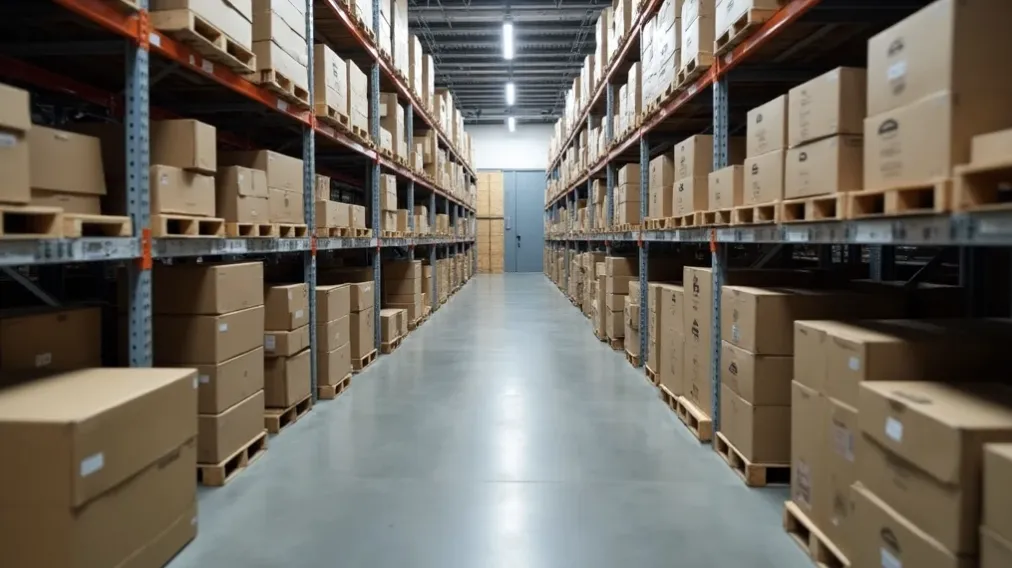
Once restored, belongings are stored in climate-controlled, secure warehouses. Storage protects items from further exposure to water, dust, or repair work taking place at your property. Access is tracked, and items remain organized until it’s time for their return.
Storage facilities often feature video surveillance, controlled access, and temperature/humidity regulation—all crucial for sensitive materials like documents, textiles, and electronics.
Step 7: Return of Restored Items
When home repairs finish, property restoration services coordinate the careful return of all restored items. Technicians check inventory lists, carefully transport belongings, and assist with unpacking upon request.
Homeowners are urged to inspect all returned possessions and confirm successful, safe restoration before signing off on the process.
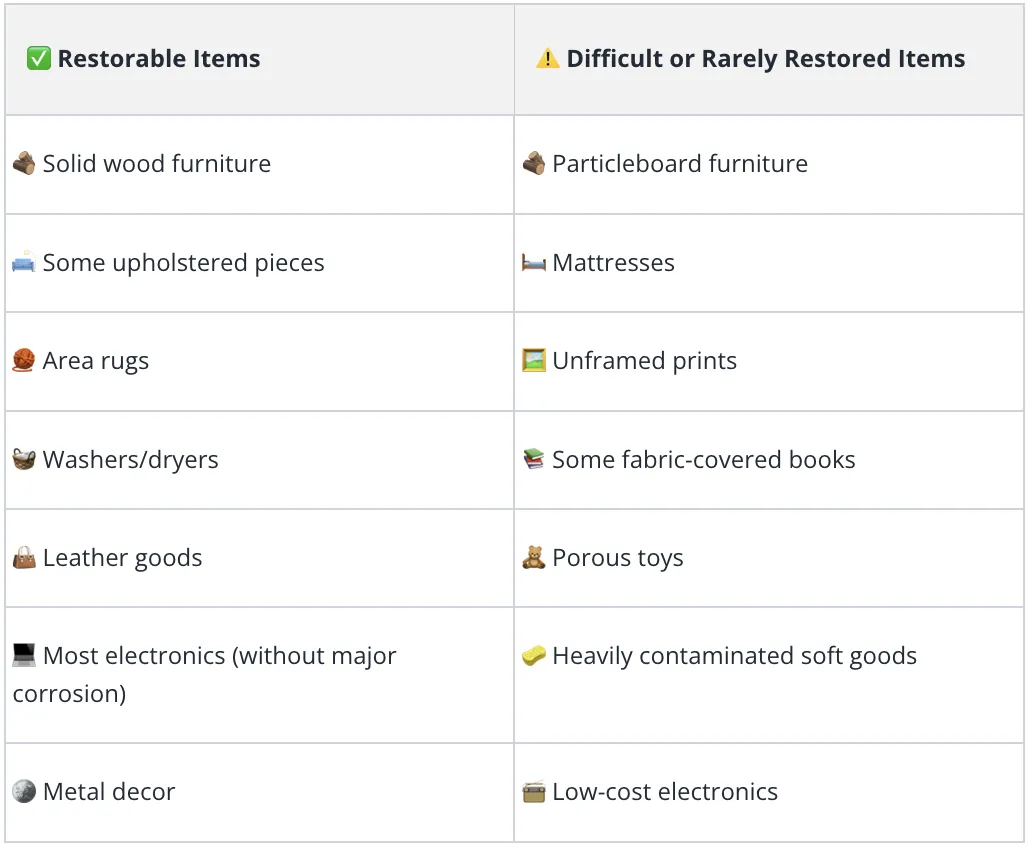
What Can Be Restored? Common Items in Contents Restoration After Water Damage

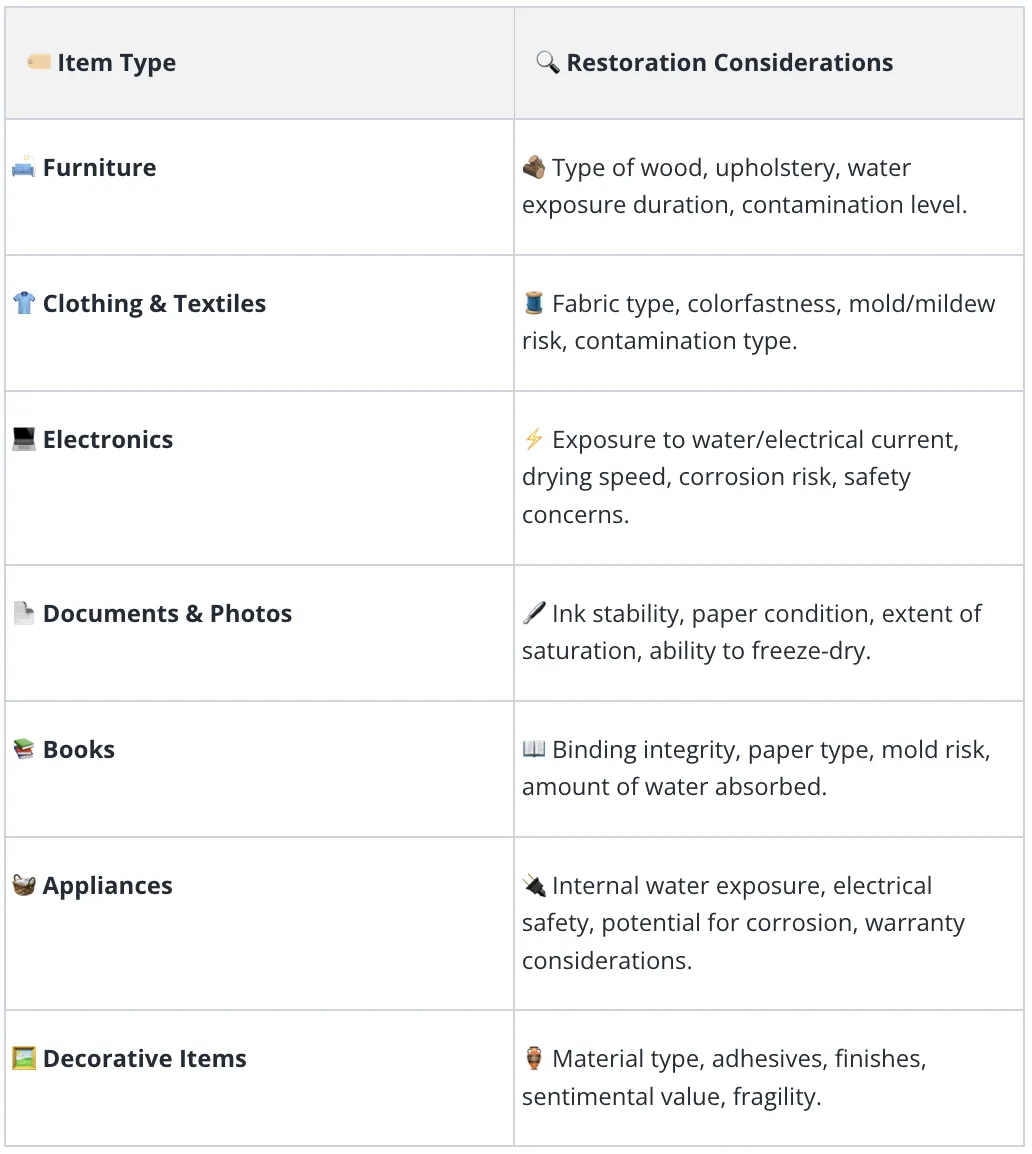
Restorable vs Difficult-to-Restore Items Table
Salvage and Restoration vs Replacement: Making Informed Decisions
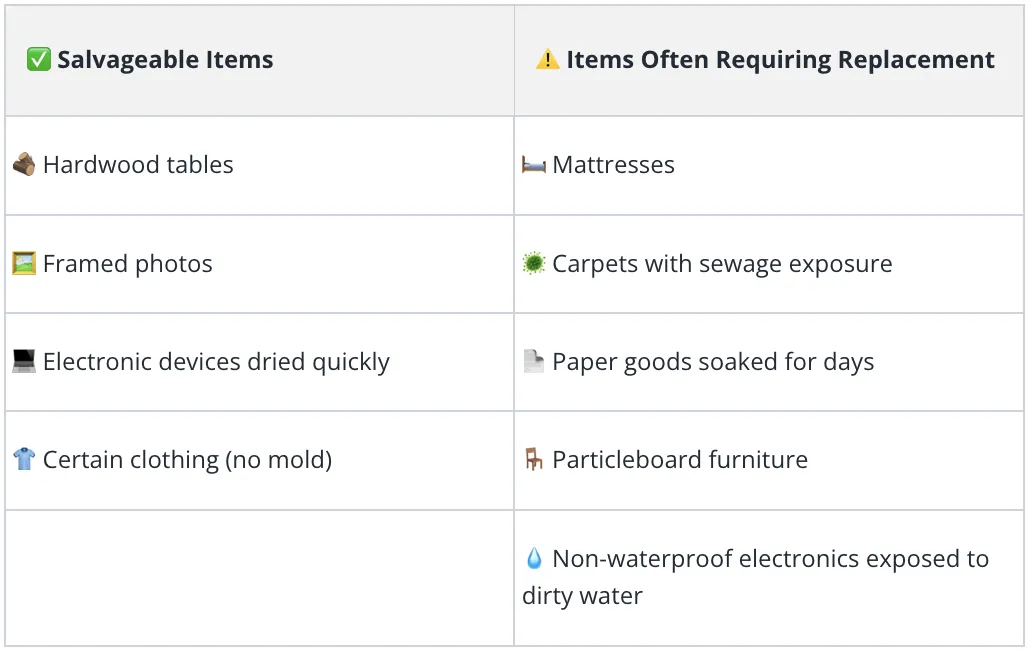
Factors Affecting Salvage and Restoration Feasibility
Professional restoration companies weigh several critical factors before deciding whether to attempt salvage and restoration or recommend replacement:
Type and porosity of material
Extent and duration of water exposure
Contamination source (clean, gray, or black water)
Presence of mold growth or health risks
Item’s financial or sentimental value vs. cost of restoration
Potential for successful cleaning/sanitization without further damage
Transparent discussions between homeowners and the restoration service help balance both emotional and practical considerations, ensuring decisions are informed by expert guidance.
Specialized Cleaning and Restoration Methods for Water Damaged Contents
Cleaning, Drying, Deodorization, and Sanitization
Restoration professionals deploy an array of cleaning and drying methods tailored for different content types. Air movers and dehumidifiers quickly extract moisture, while HEPA vacuums and antimicrobial agents counteract mold growth and bacteria. Ultrasonic cleaning tanks may be used for delicate items like jewelry or collectibles. Odor treatment (ozone or hydroxyl generators) completely neutralizes musty smells, and textiles undergo specialized laundering and sanitization.
Not all cleaning techniques are safe for all belongings. The drying process for documents is distinct from electronics restoration after water damage. Restoration services select the safest and most effective process for each category.
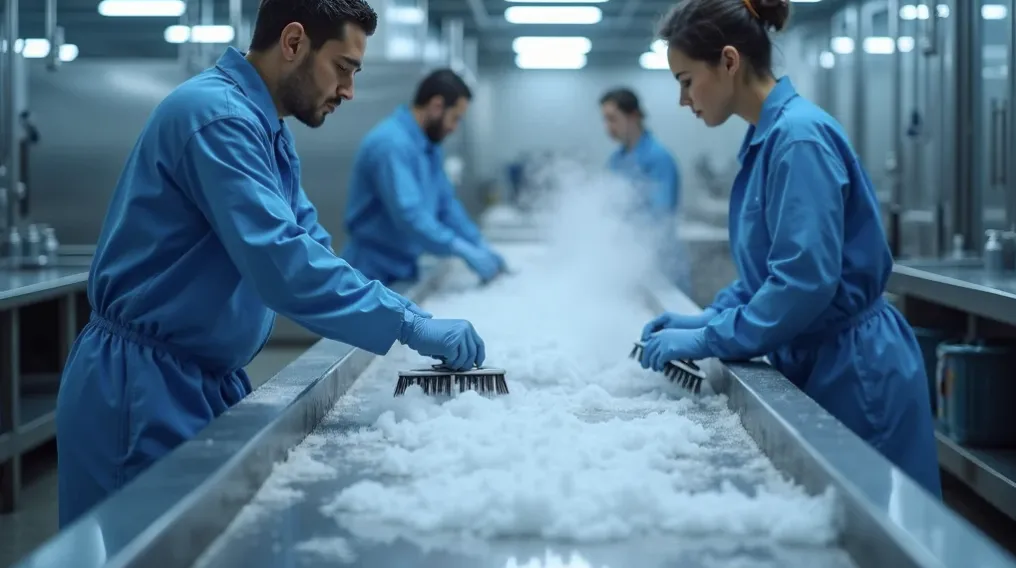
Advanced Techniques: Document Restoration Services and Textile Restoration
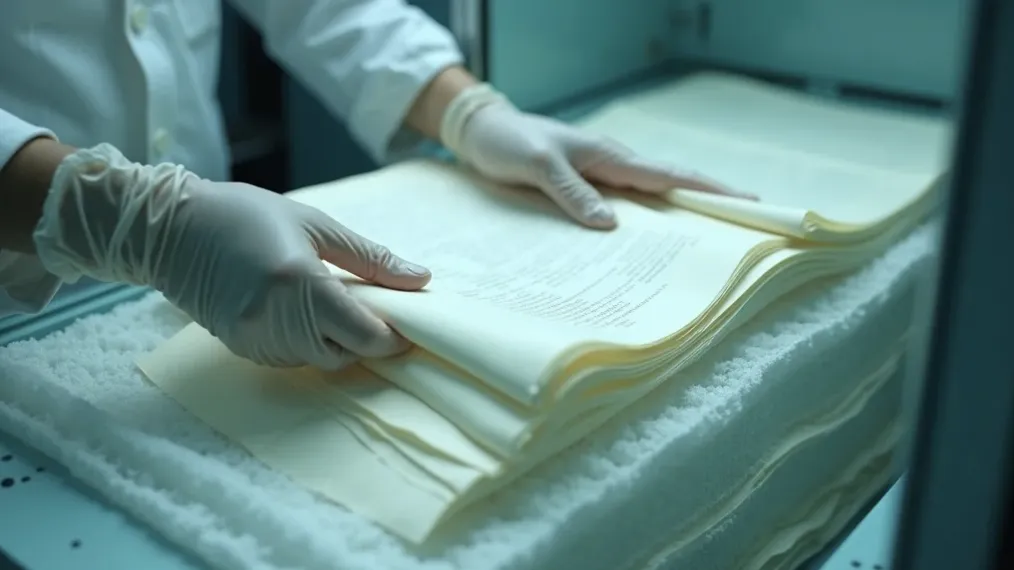
Document restoration services employ advanced freeze-drying chambers, vacuum thermal drying, and gentle manual cleaning to preserve vital records, photos, and papers. These processes halt mold growth and prevent ink migration, offering a chance to recover seemingly destroyed items. Textiles—ranging from clothing to fine rugs—are treated in industrial washing machines and ozone rooms to ensure thorough mold and odor removal.
Electronics Restoration After Water Damage
Electronics restoration after water damage is a highly specialized area. Restoration professionals assess for electrical safety, corrosion, and data loss before carefully drying circuit boards and internal components using controlled, moisture-free environments. While not all devices can be saved, the right process often restores function to laptops, televisions, and home appliances—saving homeowners from major replacement costs.
Never attempt to power on water-damaged electronics; professional evaluation and restoration are crucial for safety and effectiveness.
How Contents Pack-Out Services Protect Damaged Belongings
The Contents Pack-Out Service Explained
Pack out services are essential when property repairs or extensive cleaning are required. Restoration pros carefully wrap, box, catalog, and transport items to a secure facility. Each box and item is barcoded or labeled, ensuring a rigorous chain of custody. This not only safeguards valuables from further harm but also ensures controlled restoration conditions and prevents cross-contamination.
A pack-out is especially beneficial in widespread water emergencies, post-fire scenarios with water removal, or when extensive mold contamination is present.
Inventory Documentation and Protection During Repairs
Throughout the pack-out and storage process, a detailed inventory tracks each item and its status. Digital records assist in insurance claims while ensuring homeowners are kept up to date. Belongings are protected against theft, misplacement, and environmental hazards while structural repairs or water extraction occur at the property.
Storage and Return of Personal Property
Once cleaned and restored, items remain in monitored, climate-controlled storage until safe home return is possible. This minimizes the risk of additional loss from ongoing repairs, dust, or temperature fluctuations. Restoration pros coordinate the return, making the final steps of the restoration service stress-free for the homeowner.
Top Mistakes Homeowners Make During Water Damage Contents Restoration
Throwing away damaged belongings before documentation—making insurance claims more difficult
Attempting restoration without professional guidance, risking further damage or unexpected contamination
Ignoring possible mold growth or contamination health risks to family members
Mixing water damaged and unaffected items, spreading odors or mold
Failing to photograph the damage for insurance documentation
DIY vs Professional Contents Restoration After Water Damage
Why Hire a Professional Water Damage Restoration Company?
"The damage restoration process is often more complex than most assume—specialized equipment and training are essential for safe and effective recovery." – Industry Expert
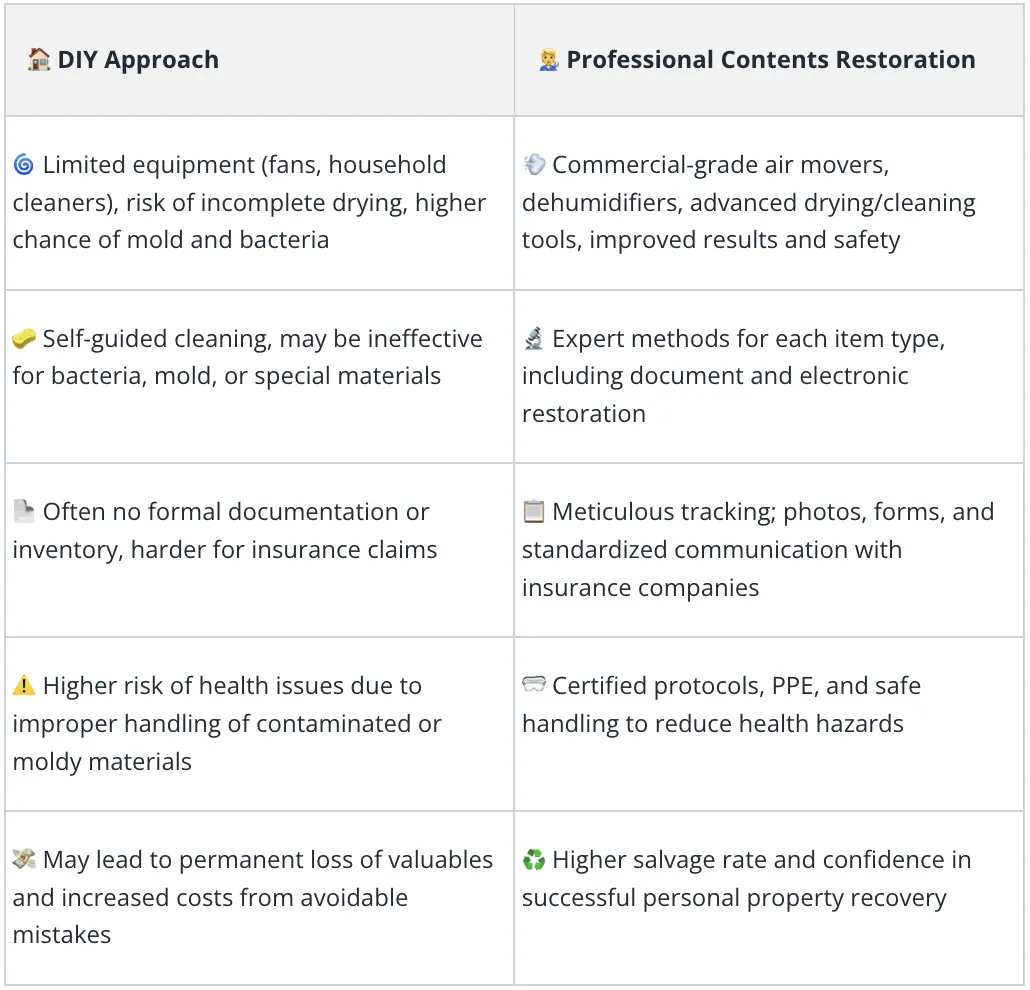
Hiring certified professionals for contents restoration gives homeowners the advantage of extensive experience, rigorous safety protocols, and maximized recovery for even your most treasured possessions. Trained teams ensure insurance documentation, proper inventory, and highest standard cleaning—so you’re not left facing health risks or regrettable losses.
After Contents Restoration: Next Steps for Homeowners
Final Inspection and Return of Restored Personal Belongings
Once all repairs are complete, the restoration crew schedules a final walk-through. Homeowners inspect and approve each returned item, verifying satisfaction and accuracy against inventory records. Any final refinements (additional cleaning, relocation of large items) are resolved at this stage, leaving the home truly ready for reoccupancy.

Coordinating with Structural Repairs and Completing the Restoration Service
Restoration companies coordinate closely with contractors handling floors, walls, or kitchens, ensuring personal property is returned only once construction and cleaning are safely complete. Final paperwork is signed, insurance adjusters receive all records, and the personal property restoration process is officially closed.
People Also Ask: Water Damage Contents Restoration FAQ
What is contents restoration after water damage?
Contents restoration after water damage refers to cleaning, drying, and restoring personal belongings that were affected by water intrusion, flooding, or leaks. Specialized methods are used to bring valuables back to usable or near-original condition whenever possible. Items often include furniture, electronics, clothing, photos, and documents.
Can furniture be restored after water damage?
Many types of furniture, especially those made of solid wood, metal, or certain upholstery fabrics, can be restored after water damage. Restoration professionals assess the type of water exposure, contamination risk, and the item’s material before using specialized drying and cleaning techniques. Items with heavy mold, rot, or that have absorbed black water may be recommended for replacement.
What items can be saved after flooding?
Solid wood furniture, electronics that are dried quickly and professionally, some upholstered items, area rugs, books, documents (using freeze-drying), and many types of clothing can often be saved after water damage. Items with extensive mold, severe contamination, or irreparable absorbent materials may not be salvageable.
How do restoration companies clean personal belongings?
Restoration companies use commercial air movers, dehumidifiers, ultrasonic cleaning, ozone/steam treatments, and antimicrobial solutions to clean and restore belongings. Each material gets a tailored cleaning approach, with electronics and documents requiring unique methods such as controlled drying and freeze-drying.
What is a contents pack-out service?
A contents pack-out service involves carefully packing, labeling, and transporting water-damaged belongings to an off-site facility for cleaning and restoration. This protects items from further contamination, allows specialized restoration, and ensures accurate tracking for inventory and insurance purposes.
How are damaged belongings documented?
Professionals use digital inventory systems, detailed photography, itemized lists, and condition notes for each affected belonging. Documentation includes descriptions, serial numbers, and restoration status, all of which are provided to insurance companies during the claims process.
Should I throw away water damaged items?
It is important never to discard water-damaged items before documentation. Always consult a professional for assessment, as many items can be restored and are required for insurance claims. Items presenting health risks (such as mold-infested soft goods) may need prompt disposal—but only after proper records are made.
Can important documents be restored after water damage?
Yes, professionals use document restoration services such as freeze-drying, dehumidification, and gentle cleaning to restore many types of paper items, including photos and vital records. Full recovery depends on the extent of damage, contamination type, and how quickly restoration begins.
Does insurance cover contents restoration?
Most standard homeowner insurance policies cover contents restoration after water damage, provided the loss condition fits within the policy terms and proper documentation is supplied. Always check your specific insurance policy and notify your insurer promptly after a damage event.
How long does contents restoration take?
The length of the contents restoration process depends on the extent of water damage, the number and type of items affected, the necessity of pack-out, and home repair timelines. While small incidents may be resolved in days, more severe or widespread damage can require several weeks.
Schema-Ready Contents Restoration FAQs
What is contents restoration? Contents restoration is the specialized process of cleaning, drying, sanitizing, and repairing personal property damaged by water, fire, or mold—returning items to a usable or near-original state.
What belongings can be restored after water damage? Many belongings, including furniture, clothing, electronics, books, documents, appliances, and certain decorative items may be restored, depending on material, contamination, and extent of the damage.
How do professionals determine if an item can be saved? Experts evaluate the type of item, level and source of damage, material construction, contamination risk, sentimental or financial value, and restoration feasibility to decide if salvage is practical.
What is a contents pack-out? A contents pack-out is the professional procedure of packing, labeling, and transporting damaged belongings to an off-site facility for expert cleaning and restoration, ensuring safety and thorough documentation.
Why is inventory documentation important? Inventory documentation protects owners in the insurance process, prevents loss or confusion during restoration and storage, and provides a reference if disputes arise with adjusters or contractors.
Can furniture be restored after flooding? Yes, many types, especially solid wood pieces, can be restored if addressed promptly and not exposed to severe contamination or extensive mold.
Can electronics be restored after water damage? Often yes, if the water wasn’t contaminated and the device isn’t powered on before professional evaluation and drying.
Can photographs and documents be recovered? Yes; advanced techniques like freeze-drying and specialized cleaning can recover many water-damaged photographs and documents if treated promptly.
Is contents restoration covered by insurance? Usually, most homeowners’ policies include contents restoration, but check your individual coverage and always supply complete documentation.
What happens after contents restoration is complete? Restored items are returned to the homeowner after final inspection, and the restoration process is closed once satisfaction is confirmed and all repairs are complete.
Next Steps for Homeowners
Protect your belongings and your peace of mind: Contact us to find the right water damage restoration solution for your needs. A professional assessment can help save treasured possessions and smooth your path to recovery.
If you’re ready to take your water damage recovery knowledge even further, consider exploring the broader range of restoration strategies and expert insights available at Best Water Damage USA. Their resources go beyond contents restoration, offering advanced tips for preventing future incidents, understanding insurance nuances, and optimizing your home’s resilience. Whether you’re facing a current emergency or planning ahead, these expert guides can empower you to make informed decisions and safeguard your property for years to come.
S. Raj, M.D. /Bestwaterdamageusa.com
Director, Search Intelligence University/IABLEd
International Association for Business Leaders’ Education
Sources
https://www.servpro.com/services/water-damage - Water Damage Cleanup and Restoration Services
Water Damage Restoration Performance Institute
The Definitive Curriculum for Water Damage Restoration, Mitigation, and Business Excellence.
Mitigare. Restituere. Protegere.
Mitigate. Restore. Protect.
Want Your World to Discover You,
the Easy Way?
Build your expertise in water damage restoration and unlock opportunities in the restoration industry.
We provide industry-focused education, practical training, and expert guidance to help you develop the knowledge and hands-on skills needed to excel in the fast-growing water damage restoration sector. Ask us how.
Copyright 2026. BEST WATER DAMAGE RESTORATION. All Rights Reserved.

* * * * *
COMPANY
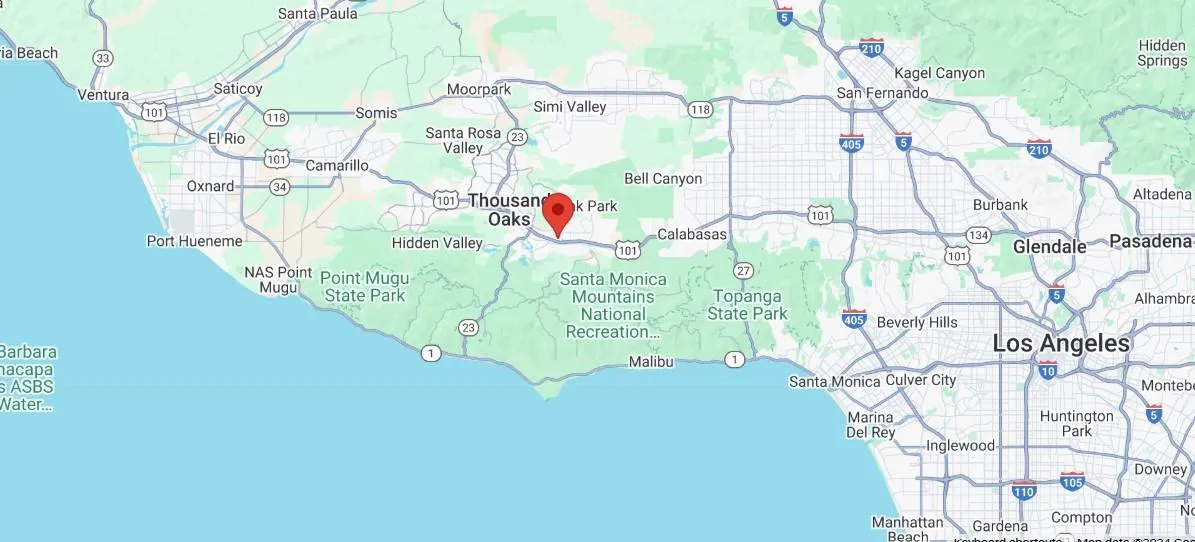
30721 Russell Ranch Rd Suite 140, Westlake Village, CA 91362
CUSTOMER CARE
Get In Touch
Mon – Thurs
10:00am – 4:00pm
Fridays by Appointment
Saturday, Golf
Sunday –hurch
LEGAL
Stay informed about how new technology can make or break a brand.
FOLLOW US


Restore. Protect. Recover.
© 2026 Water Damage Restoration Intelligence Academy | All Rights Reserved.
1. Water Damage Restoration Foundations
2. Water Mitigation, Assessment & Safety
3. Restoration Procedures & Project Planning
4. Advanced Drying Technologies & Moisture Management
5. Restoration Maintenance, Quality Control & Operations
6. Bonus Restoration Masterclass Series