
How Professionals Reduce Mold Risks
Author; S.Raj, M.D, Updated: 8/12/2026 Reading Time: 5 Minutes
Mold Prevention After Water Damage
Imagine this: A week after a burst pipe incident, your beautifully renovated living room starts to develop a musty smell. You open doors and windows, run fans, and hope for the best, but days later, suspicious spots appear on your wall. Whether you’re just starting cleanup or assessing past water damage, the risk of mold growth lingers long after the floor dries. So, how do professionals ensure your home stays safe from hidden mold threats after water damage?
Understanding Mold Prevention After Water Damage: The Foundation of a Safe Home
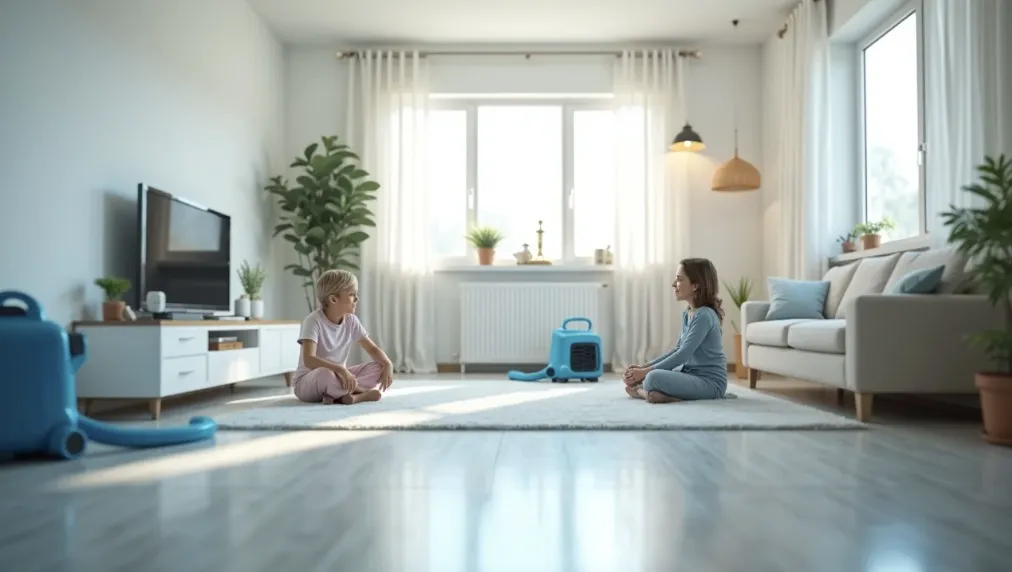
After a water event—whether from storms, leaking roofs, burst pipes, or appliance failures—preventing mold becomes a matter of urgency and expertise. Mold spores are always present indoors and outdoors, but only thrive when moisture remains unchecked. Water seeps into porous building materials like drywall, flooring, and insulation, creating a welcoming environment for mold to grow if not addressed instantly.
The foundation of mold prevention after water damage lies in acting fast and methodically. Professionals and homeowners must prioritize removing standing water, ensuring deep structural drying (not just superficial), and carefully cleaning every affected surface. This is the start of the water damage restoration process—a set of carefully coordinated steps, each critical to reducing the risk of mold growth after water events.
Why Mold Becomes a Concern After Water Damage
Water damage increases mold risk for several reasons. First, moisture availability and damp building materials are central to mold growth. Mold spores, while ever-present, require free water and porous materials to flourish. Water from leaks, floods, or burst pipes soaks into flooring, drywall, fabrics, and furniture—places where moisture can linger unseen, especially where air flow is poor.
Hidden moisture and persistent high humidity contribute substantially to mold growth after water damage. Wet insulation behind walls, damp subfloors, or moisture trapped under cabinets may remain undetected for days or weeks. During this time, relative humidity over 60% accelerates mold grow inside homes. The longer dampness goes unaddressed, the higher the likelihood that mold will develop. Delayed drying or only “surface drying” (for example, running a vacuum cleaner over wet carpets) is a classic mistake—what feels dry to the touch may still be saturated deep inside.
It's important to note that even after visible water is removed, moisture can persist in hidden areas, making thorough drying and monitoring essential. For a detailed look at the step-by-step process professionals use to restore properties after water incidents, including advanced drying and inspection techniques, you can explore the comprehensive water damage restoration process for further insight.
Moisture availability and damp building materials: the path to mold grow
Hidden moisture and high humidity: the role of undetected water in mold growth
Delayed drying and increased risk of growth after water damage
Highlight: Water damage does not automatically mean mold will develop, but uncontrolled moisture can increase risk
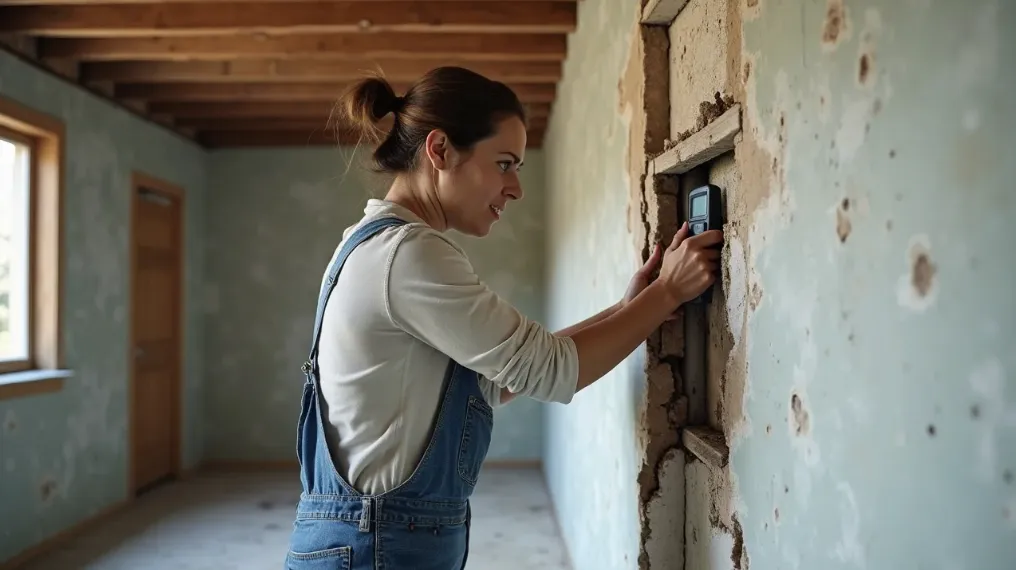
The Connection Between Drying and Mold Prevention After Water Damage
Professional mold prevention always starts with water extraction. After a major water event, removing standing water fast helps reduce the amount of moisture absorbed by building materials. Powerful extraction pumps, squeegees, and industrial vacuum cleaners are used to lower moisture content quickly. Next comes structural drying—industrial air movers, fans, and specialized heaters are deployed to circulate air and remove moisture from walls, floors, and cavities. It’s about drying not just the surface, but deep inside where water can hide.
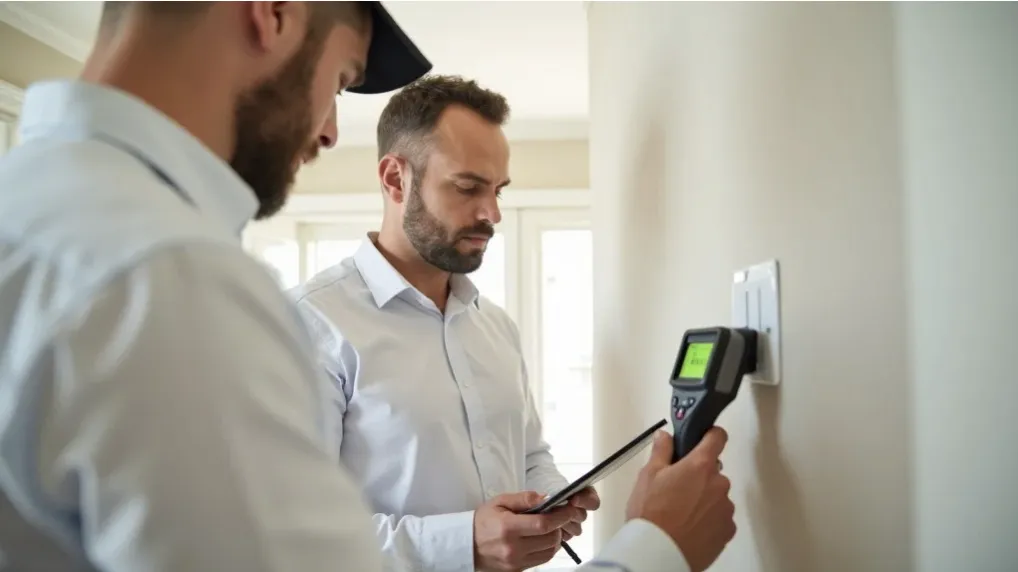
A critical step is dehumidification and moisture control. Professionals set up commercial dehumidifiers to maintain low indoor humidity, often below 50%, thus preventing further mold growth. Throughout the process, technicians use moisture meters and thermal imaging to monitor and verify drying progress. Only after confirming materials are truly dry at depth is the drying equipment removed. This workflow—Moisture Control → Drying → Monitoring → Prevention—is central to keeping mold from taking root. Documented drying verification is the homeowner’s insurance against future mold problems.
Water extraction for mold prevention after flooding
Structural drying to prevent mold growth after water
Use of dehumidification and moisture control strategies
Moisture monitoring and drying verification: safeguarding against mold growth
Workflow: Moisture Control → Drying → Monitoring → Prevention
What Is Antimicrobial Treatment After Water Damage?
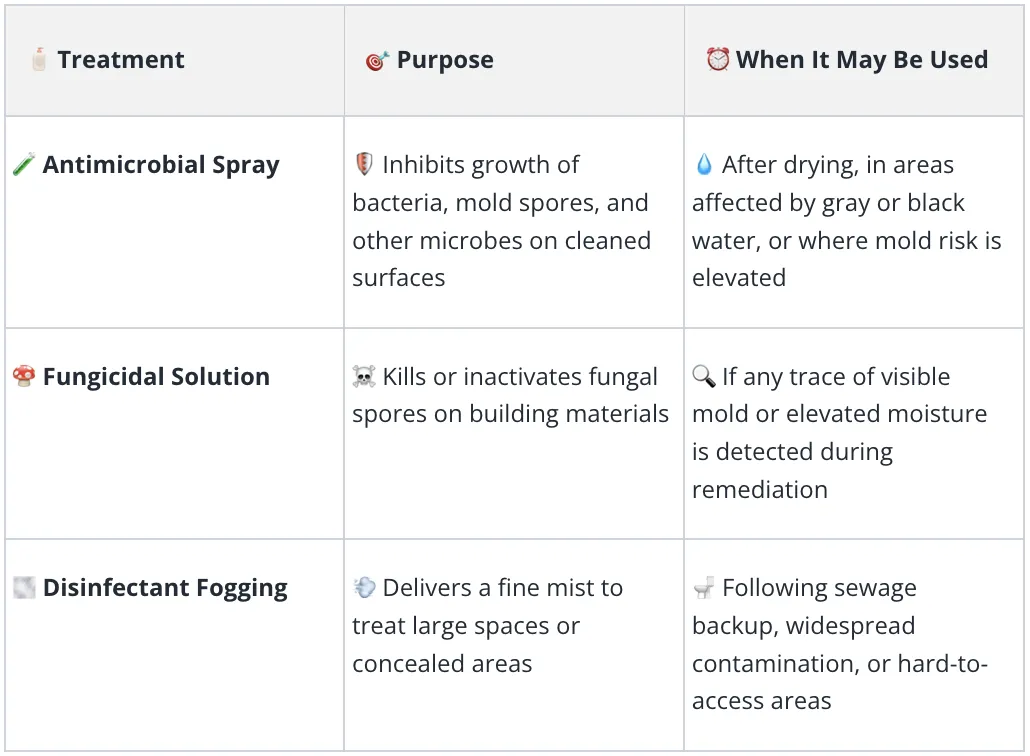
Antimicrobial treatment is a specialized process aimed at reducing harmful microorganisms, including bacteria and some mold spores, on wet surfaces after water damage. While cleaning removes visible dirt and debris, antimicrobial application uses EPA-registered solutions to suppress microbial growth. This is not a replacement for drying, but an added layer of defense during water damage restoration if certain risk factors are present.
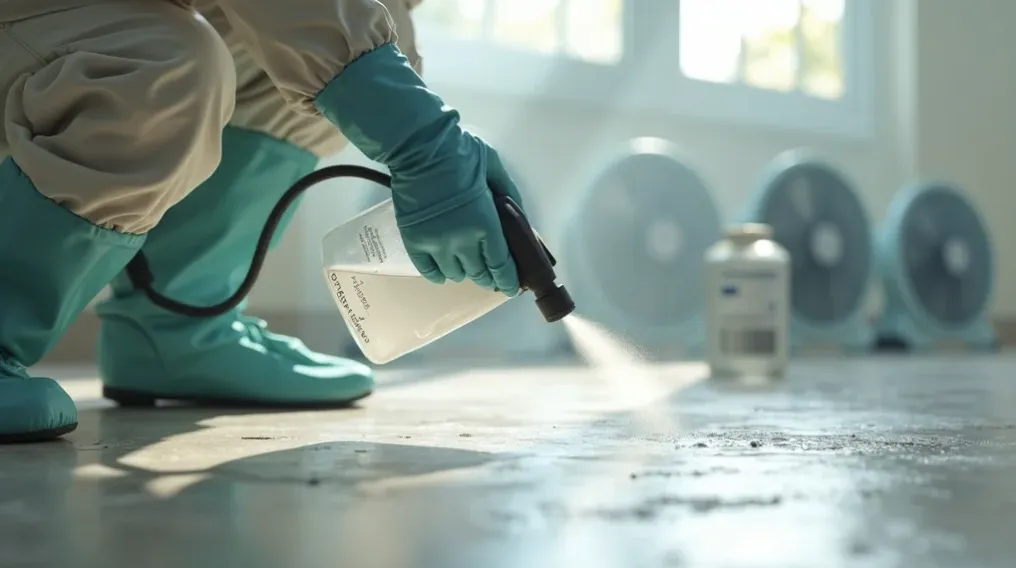
Antimicrobial treatments are most effective after water and moisture have been removed. Professionals use sprayers or misters to apply the solution to walls, floors, or framing, especially if water was gray (lightly contaminated) or black (highly contaminated). Remember, antimicrobial treatment after water damage does not guarantee complete mold elimination—ongoing moisture control is essential. The key difference to understand: cleaning removes mold spores and dirt, while antimicrobials inactivate the remaining microorganisms that cleaning missed.
Definition and purpose of antimicrobial application in mold prevention
How antimicrobial treatments are used in the water damage restoration process
Difference between cleaning and antimicrobial treatment
When Antimicrobial Treatment May Be Recommended by Professionals
Restoration experts base their antimicrobial application recommendations on several factors. The first is the water source: clean water poses minimal risk, while gray water (from appliances or sinks) and black water (from sewage/floods) carry more contaminants that trigger antimicrobial use. Contamination risk is further assessed by how long materials were wet—prolonged dampness allows mold spores to multiply even after the initial cleanup.
The type of building material and how long it was exposed play crucial roles. Porous materials like carpet, insulation, and drywall are much more susceptible and may require targeted antimicrobial treatment. Non-porous surfaces, like tile or sealed wood, often only need cleaning and drying. Ultimately, restoration professionals combine their expertise—using moisture meters, inspection experience, and health guidelines—to decide if and where antimicrobials should be applied.
Assessing the water source and contamination risk
Influence of material type and exposure duration on mold prevention decisions
Role of professional mold prevention expertise in restoration assessment
Mold Prevention Steps After Water Damage: Homeowner and Professional Checklist
Responding quickly to water damage greatly reduces the likelihood of mold problems. Here’s a combined checklist drawn from professional mold prevention services and best homeowner practices:
Remove standing water quickly using mops, wet/dry vacuums, or extraction pumps.
Dry affected areas thoroughly with fans and dehumidifiers. Ensure air circulation around windows and doors to aid evaporation.
Monitor moisture content of floors, walls, and personal belongings with moisture meters.
Clean affected surfaces using soap and water or appropriate cleaning solutions. Discard damaged items that cannot be fully dried.
Control humidity by maintaining indoor levels below 50% during and after drying.
Address hidden moisture—consider removing baseboards or drilling drainage holes for trapped water behind walls.
Repair and restore damaged structures and verify moisture is at safe levels before rebuilding or repainting.
Common Mold Prevention Mistakes After Water Damage
Homeowners striving for a quick fix can accidentally make mold issues worse. The biggest mistake is waiting too long to dry materials, which allows mold to grow unnoticed. Covering damp areas with rugs or furniture traps moisture, expediting mold development. Painting over water stains or ignoring persistent musty odors can conceal active mold or delayed drying. Attempting mold removal without controlling underlying moisture won’t solve the problem—in fact, it can spread spores further.
Beware of assuming that “visibly dry” always means fully dry. Mold can develop behind walls or under floors long before you see visible signs. Only instruments, like a moisture meter, can verify thorough drying. For major losses or recurring water problems, calling a remediation company is a good idea—they know where to look for hidden moisture and how to verify safe conditions before your restoration is complete.
Waiting too long to dry materials or covering damp areas
Painting over water damage and ignoring persistent odors
Attempting mold removal without moisture control
Assuming visible dryness means fully dry: risks and lessons
DIY Mold Prevention Versus Professional Mold Prevention Services
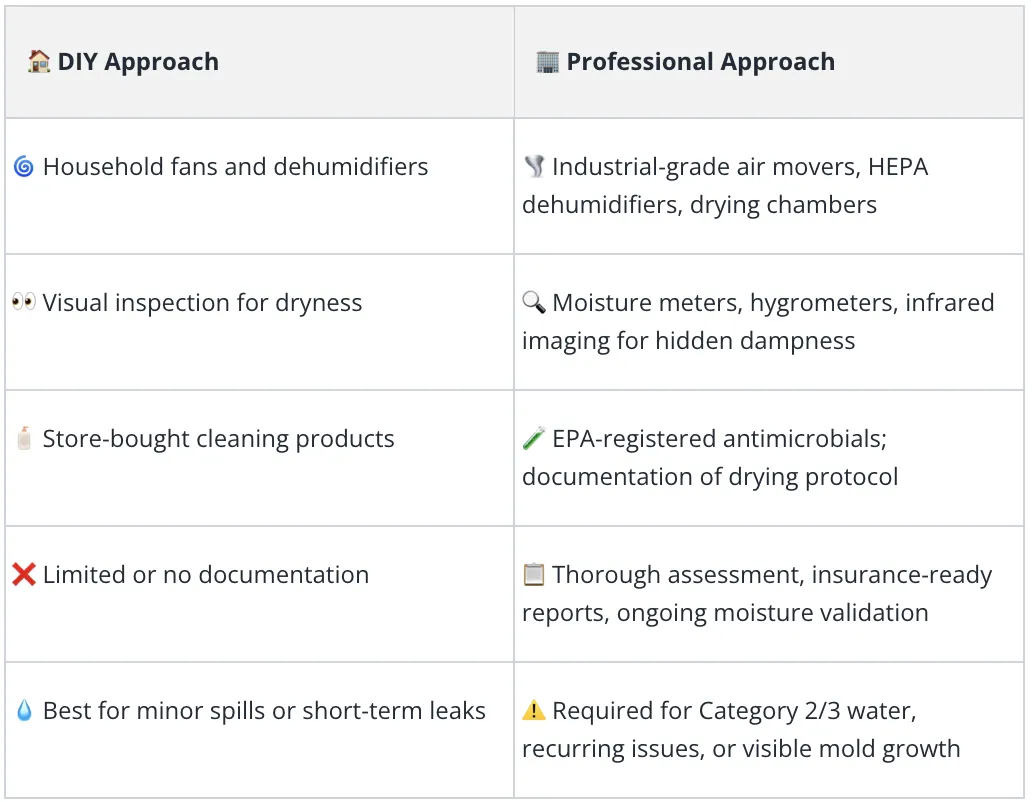
Some minor water incidents—such as a small supply leak quickly addressed—may be managed by homeowners. However, the difference between DIY cleaning and professional mold prevention services is substantial:
Mold Prevention After Different Types of Water Damage
Responding to Clean Water Damage (e.g., Supply Line Leaks)
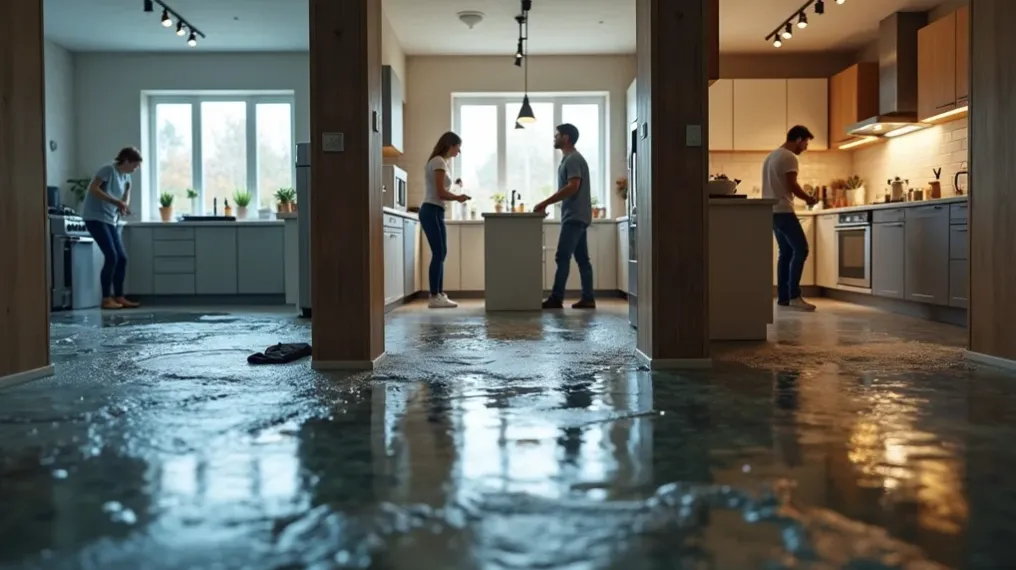
Clean water—like a burst pipe from a supply line—requires prompt drying and surface cleaning. If addressed within 24–48 hours, mold prevention after water damage is straightforward: remove standing water, dry the area, and check for hidden dampness. Antimicrobial treatment is typically not necessary unless conditions worsen or drying is delayed.
Responding to Gray Water Damage (e.g., Appliance Overflow)
Gray water includes mild contaminants from washing machines or dishwashers. Beyond surface cleaning, these jobs often require limited antimicrobial application, especially if water soaks carpeting or floors for over 24 hours. Stronger odor and increased microbial risk make precise drying and cleaning critical.
Responding to Black Water Damage (e.g., Sewage or Flood Contamination)
Black water brings major health risks and demands complete restoration. Professionals will remove and discard porous materials (drywall, carpet), apply antimicrobials broadly, and verify that no moisture remains. Rebuilding only happens once mold and contamination are confirmed absent. Mold remediation companies or certified restoration experts should always manage this category to protect families and structures.
Why Response Methods Differ: Material impact and contamination risks
What Happens After Mold Prevention Steps Are Complete?
Once mold prevention after water damage steps are complete, a final inspection ensures all surfaces are dry and mold-free. Additional repairs or reconstruction address any structural damage or lost materials. Continuous moisture monitoring—especially in basements or high-risk areas—safeguards against future issues. Some homeowners opt for scheduled professional checkups or home moisture alarms for peace of mind.
Final inspection for mold growth after water damage
Repairs, reconstruction, and ongoing moisture control
Continued monitoring and professional mold prevention guidance
People Also Ask: Mold Prevention After Water Damage
How do you prevent mold after water damage?
Begin with immediate water removal, thorough drying, moisture monitoring, and, where needed, professional evaluation to prevent mold growth after water damage.
How quickly does mold grow after flooding?
Mold can start growing within 24–48 hours if moisture is not controlled.
Does water damage always cause mold?
Not always—mold only grows if moisture remains uncontrolled in affected materials.
Are antimicrobial treatments necessary after water damage?
Not all situations require antimicrobial application. A professional assessment determines if the intervention is appropriate.
What kills mold after water damage?
Moisture removal is the primary prevention; if mold is present, a combination of removal and professional remediation may be needed.
Can drying prevent mold growth?
Yes, rapid and thorough drying is key to mold prevention after flooding and water events.
How do professionals prevent mold after flooding?
By using advanced moisture control, structural drying, professional-grade equipment, documentation, and, when needed, targeted antimicrobial treatments.
What should I do if I see mold after water damage?
Contact a mold prevention or remediation company for an evaluation and safe removal.
Should I test for mold after flooding?
Professional mold inspection is recommended if you suspect hidden growth after water damage.
How long should I monitor for mold after water damage?
Continue monitoring for several weeks, checking for recurring moisture or mold signs.
Frequently Asked Questions: Mold Prevention After Water Damage
What causes mold after water damage? Mold grows when excess moisture persists in building materials after water intrusion, providing a favorable environment for spores to thrive.
How quickly can mold grow after flooding? Mold can begin to develop in as little as 24–48 hours in damp conditions.
How can mold be prevented after water damage? Rapid water removal, thorough drying, humidity control, and professional evaluation are key to effective prevention.
What is antimicrobial treatment? It is the application of EPA-registered solutions to disinfect surfaces and curb microbial growth following water damage.
When are antimicrobial treatments used? Typically after gray or black water incidents or where conditions may encourage bacterial or mold growth.
Does antimicrobial treatment eliminate all mold risks? No—while it reduces risk, ongoing moisture control and drying are essential for complete prevention.
Why is moisture control important for mold prevention? Without moisture, mold cannot grow; controlling humidity and drying materials is the foundation of mold prevention.
Can homeowners prevent mold themselves? Minor water incidents can be handled by homeowners, but professional help is advised for large, contaminated, or recurring issues.
Should mold be inspected after water damage? Yes, especially if moisture went undetected, significant water entered the home, or odors/mold growth appear later.
What happens if water damage is not properly dried? Mold may develop within days, causing structural damage, health risks, and expensive remediation needs.
Ready for Peace of Mind? Contact Us to Find the Right Water Damage Restoration Solution for Your Needs.
Don’t let uncertainty threaten your home’s safety. If you’ve had water damage or suspect hidden moisture, expert evaluation is a good idea. Reach out today for professional water damage restoration and mold prevention services designed for true peace of mind.
If you’re interested in taking your home’s protection to the next level, consider exploring broader strategies for safeguarding your property from future disasters. Our comprehensive resource hub offers guidance on everything from emergency preparedness to advanced restoration solutions. By staying informed and proactive, you can minimize risks, respond confidently to unexpected events, and ensure your living space remains safe and resilient for years to come. Discover more expert tips and actionable insights to empower your next steps in home care and restoration.
Short educational animation: 'How Professional Mold Prevention Works After Water Damage'—Homeowner and professional perspectives in realistic home settings.
S. Raj, M.D. /Bestwaterdamageusa.com
Director, Search Intelligence University/IABLEd
International Association for Business Leaders’ Education
Sources
Water Damage Restoration Performance Institute
The Definitive Curriculum for Water Damage Restoration, Mitigation, and Business Excellence.
Mitigare. Restituere. Protegere.
Mitigate. Restore. Protect.
Want Your World to Discover You,
the Easy Way?
Build your expertise in water damage restoration and unlock opportunities in the restoration industry.
We provide industry-focused education, practical training, and expert guidance to help you develop the knowledge and hands-on skills needed to excel in the fast-growing water damage restoration sector. Ask us how.
Copyright 2026. BEST WATER DAMAGE RESTORATION. All Rights Reserved.

* * * * *
COMPANY
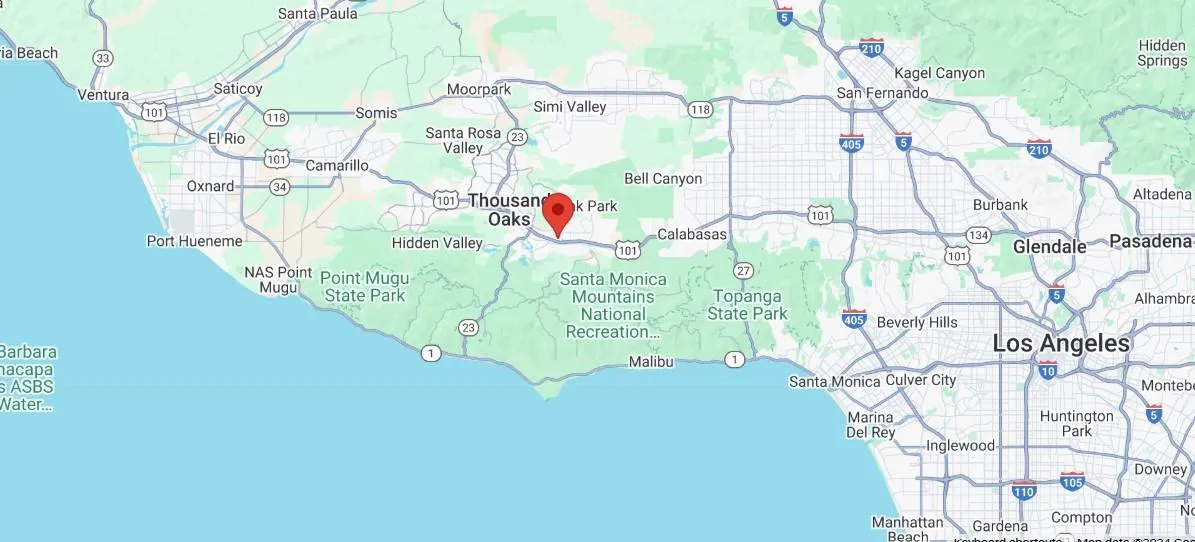
30721 Russell Ranch Rd Suite 140, Westlake Village, CA 91362
CUSTOMER CARE
Get In Touch
Mon – Thurs
10:00am – 4:00pm
Fridays by Appointment
Saturday, Golf
Sunday –hurch
LEGAL
Stay informed about how new technology can make or break a brand.
FOLLOW US


Restore. Protect. Recover.
© 2026 Water Damage Restoration Intelligence Academy | All Rights Reserved.
1. Water Damage Restoration Foundations
2. Water Mitigation, Assessment & Safety
3. Restoration Procedures & Project Planning
4. Advanced Drying Technologies & Moisture Management
5. Restoration Maintenance, Quality Control & Operations
6. Bonus Restoration Masterclass Series