
How Homeowners Can Organize Their Claim Information
Author; S.Raj, M.D, Updated: 8/12/2026 Reading Time: 5 Minutes
Insurance Documentation After Water Damage
Imagine stepping through your front door to find a pool of water soaking your floors—your heart sinks, and questions flood your mind. What do you do next? For every homeowner, water damage is a stressful experience, but what you do in those first few hours can make all the difference in your insurance claim’s outcome. Meticulous insurance documentation after water damage is one of the most important steps you can take, safeguarding your rights and easing the path to recovery.
What You’ll Learn:
Why insurance documentation after water damage is crucial
What types of information and records homeowners should collect
How to organize photos, inventories, and receipts for your insurance claim
The role of restoration documentation and professional support
Common mistakes to avoid in the insurance claim process
Starting Your Insurance Documentation After Water Damage
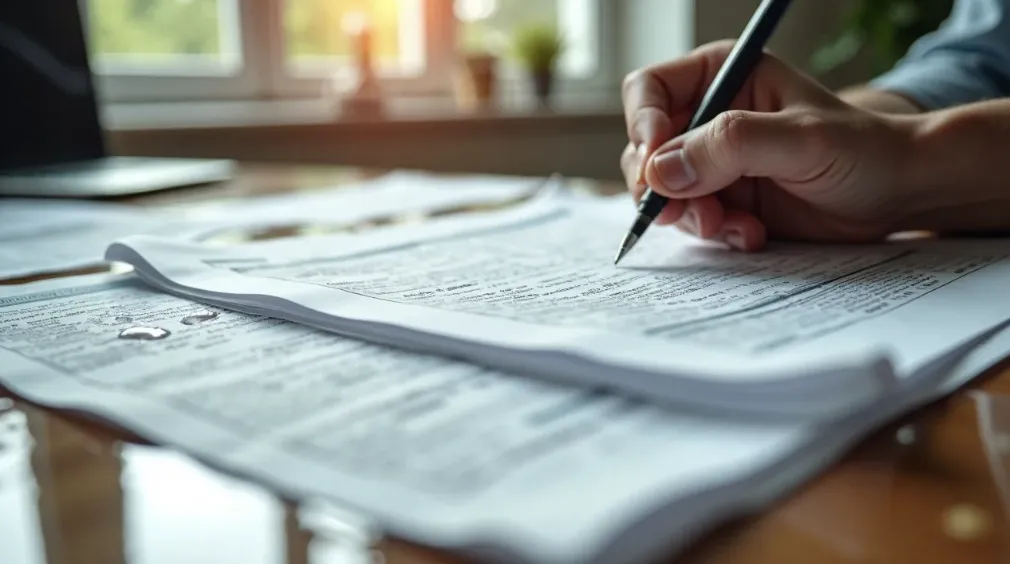
"Accurate documentation helps homeowners organize damage information, communicate clearly with insurers, and maintain records throughout the restoration process."
Take immediate action when damage occurs
Acting promptly is essential for your insurance claim
Scenario: Walking into a flooded living room—what to do next
The moments after water damage occurs are critical. Begin by ensuring your safety—don’t enter areas with electrical hazards or that feel structurally unsound. Once safe, document everything before you move or clean a single item. Responding quickly is not just about minimizing mold growth or property loss, but also about giving your insurance company the clearest verification of your damage claim. Waiting too long can result in lost evidence and even claim denials. Imagine entering your living room to find water seeping from a burst pipe: you’ll want to snap wide photos, note high-water marks, and gather damaged belongings into a safe area for detailed record-keeping before cleanup begins. This approach sets you up for a streamlined claims process and demonstrates responsibility to your insurer.
As you begin documenting, it's also helpful to understand the broader process of water damage restoration, including the specific steps professionals take to mitigate and repair damage. For a detailed look at the restoration workflow and what to expect during each phase, you can explore the water damage restoration process guide for practical insights.

Why Insurance Documentation After Water Damage Matters
Recording damage claim conditions for evidence
How documentation strengthens your water damage insurance claim
Tracking repairs and restoration for insurance claim success
Organizing expenses and receipts—essential for homeowners insurance
Protecting your property damage documentation for future reference
Insurance documentation after water damage isn’t just paperwork—it’s your strongest tool in recovering losses. Every detail you record becomes the proof that supports your water damage claim, showing what happened, which areas and belongings were affected, and what steps you took to mitigate further issues. This evidence is crucial whether you’re working with a homeowners insurance or flood insurance policy.
Keeping a detailed record helps you track emergency repairs, cleaning, and major restoration work, which can be invaluable for complex claims or future audits. Expense logs (like receipts for professional services, materials, and even hotel stays during repairs) are essential for your insurer to evaluate what costs can be reimbursed. Your file should also include restoration and inspection reports that can protect you if questions arise down the road or you need to revisit your claim due to secondary issues like mold growth.
What Should Homeowners Document After Water Damage?
Property Damage Documentation for Insurance Claims
Walls, floors, ceilings—water damage insurance claim essentials
Structural and cabinet documentation for damage insurance claim
Begin with comprehensive room-by-room documentation. Photograph and make notes on the condition of walls, floors, ceilings, baseboards, built-in cabinets, and shelving. Moisture can travel—damage sometimes extends behind visible surfaces. Be sure to document peeling paint, swelling, staining, or warping, as this helps confirm the full extent of the water intrusion for your insurance claim. If your cabinetry, stairwells, or woodwork show signs of water damage, log these with separate detailed photos and written notes.
Personal Belongings and Inventory Records
Furniture, electronics, documents—what insurance coverage may require
High-value items: restoration documentation for insurance claim
List all personal belongings impacted. This includes upholstered furniture, electronics, clothing, important paper documents, collectibles, and valuables. Give item descriptions, such as make, model, and serial number for electronics. For high-value items (artwork, jewelry, or antique furnishings), include pre-damage appraisals or receipts if available. These inventory records bolster your damage insurance claim and make the adjuster’s assessment far more precise.
Restoration Process and Activities
Emergency response, water extraction, drying logs for damage insurance
Repairs, cleaning, professional restoration documentation
Document all remediation work, starting from emergency water extraction to structural drying with fans and dehumidifiers. Homeowners should keep logs for each step—such as when equipment was set up, temperature/humidity readings, and what repairs were completed each day. Save contracts and detailed restoration company reports. This restoration documentation demonstrates the seriousness of your response to the insurance company and provides a clear paper trail for the claim review.
"Your insurance documentation after water damage should be comprehensive—every item and area counts." – Restoration Consultant
The Water Damage Documentation Process Explained
Ensuring homeowner safety before documenting damage
Step 1: Take clear photos and videos for insurance claim photos
Step 2: Create a water damage inventory checklist of all affected items
Step 3: Keep all receipts, restoration reports, and communication logs
Step 4: Submit organized documents for your water damage insurance claim
Let’s break down the documentation process:
Ensure Safety: Turn off electricity to affected areas if needed and don’t enter unsafe spaces.
Take Photos/Videos: Before touching anything, take wide and detailed shots for your water damage insurance claim.
Create an Inventory: List each water-damaged item and note its pre-damage condition, age, and estimated value.
Save Receipts: From emergency plumber visits to hotel stays—keep every receipt.
Collect Restoration Documents: Ask professional remediators for inspection findings, drying logs, and repair summaries.
Log Communication: Keep emails, texts, and notes from calls with your insurance agent or adjuster.
Submit Everything: Package your evidence in a logical order to support your claim review—digital backup is essential!
Documentation Workflow for Damage Insurance Claim Review
Damage Discovery → Documentation → Restoration Records → Claim Review → Repairs
"Having your insurance documentation after water damage in order can be the difference between a smooth and stressful claim process."

Capturing Evidence for Insurance Documentation After Water Damage
Checklist for insurance claim photos and videos
Wide-angle room shots (before and after)
Close-up photos of water damage, including water levels and materials
Photos of damaged personal belongings
Restoration progress images to support water damage insurance claim
Always use natural daylight or flash for clarity. Start with panoramic room shots showing the extent of flooding or water streaks. Then, take close-ups of baseboards, drywall, cabinets, and individual damaged belongings. Photograph water lines on walls or furniture to show how high the water rose. Capture before-and-after photos if you have undamaged images for reference. Document any contractor or restoration team action, including wet equipment in use. These images build a solid foundation for your property damage documentation.
"Always document damage before starting any cleanup—this is essential for your insurance claim."
Creating a Water Damage Inventory for Your Insurance Documentation
Inventory Table: Key Elements to Track
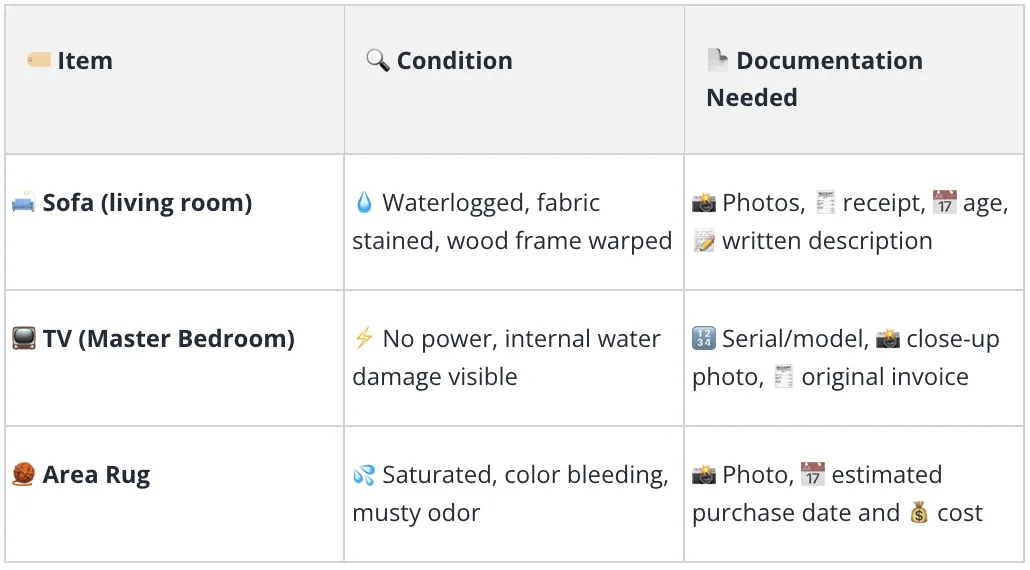
Item descriptions: furniture, electronics, clothing
Purchase dates, estimated ages, and values
Damage assessment records for each item

A robust inventory is key for your water damage insurance claim. Use a spreadsheet or notebook to log each item’s name, brand, model, serial number, purchase date, estimated value, and current condition. Whenever possible, include receipts and pre-damage photos. Create a folder for each room or area of the house to make sorting easier for yourself—and your insurance adjuster.
Important Restoration Documents to Include in Your Insurance Documentation After Water Damage
Inspection and moisture reports—why these matter for insurance coverage
Drying logs, equipment lists, invoices, estimates, and receipts
Completion certificates and restoration company documentation
Table: Restoration Documentation and Its Importance
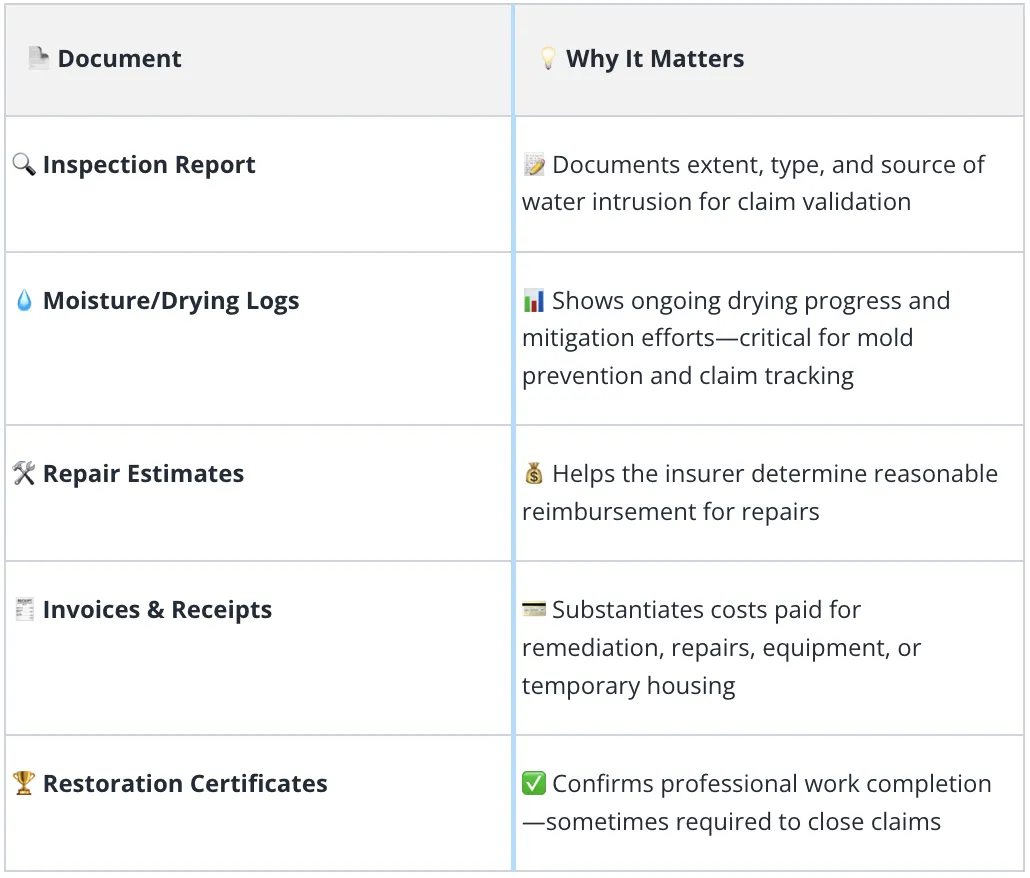
Retaining these restoration documents serves as proof of your diligence in following up with repairs and supports expense reimbursement. It also strengthens your negotiation position if coverage questions arise, as you’ll have credible, third-party professional documentation on your side.
Working With Restoration Professionals for Damage Claim Documentation
How restoration companies assist with insurance documentation after water damage
Obtaining moisture reports, work summaries, and damage assessments
Clarification: Documentation supports insurance claims process, doesn't guarantee coverage
Quote from a Restoration Expert on Documentation Best Practices
"Professional restoration documentation can enhance the quality and accuracy of your insurance claim submission—don't overlook this support." – Water Damage Specialist

Most professional restoration teams provide valuable reporting—including digital photos, moisture readings, drying logs, and complete work histories. These records help your insurance company verify the extent of the water damage and assess the restoration performed. However, remember that having these documents does not guarantee insurance coverage; eligibility and payout still depend on your individual homeowners insurance or flood insurance policy and the specific cause of the water damage.
Restoration professionals may also be able to explain technical findings to your insurance adjuster and advocate for fair repair estimates. Always request digital copies of all inspection results and work summaries before work is finished.
Common Mistakes in Insurance Documentation After Water Damage
Discarding damaged items before documenting
Not taking sufficient or clear photos for your claim
Losing important receipts and restoration documents
Delaying the documentation process after water damage occurs
Disorganized claim paperwork
Mistakenly assuming all damage is automatically covered
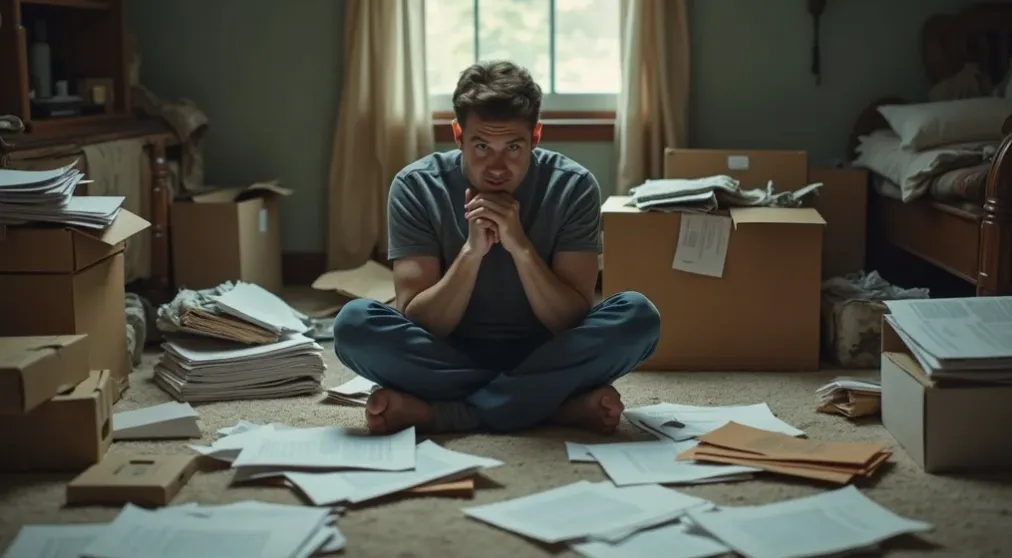
Avoid these common pitfalls: Never throw away water-damaged items before photographing and listing them. Take more photos than you think you need, with dated time stamps. Store all receipts and reports in a single place—consider digital backups. Don’t put off the process, as details can get lost or harder to prove over time. And finally, read your insurance policy carefully to understand what damage is covered—never assume every repair or replacement will be reimbursed.
Digital Organization Tips for Your Water Damage Insurance Documentation
Using cloud storage for property damage documentation
Photo folders and digital document scanning best practices
Tracking claim timelines and communications with your insurer
The easiest way to keep your insurance documentation after water damage organized is to digitize everything. Use cloud storage tools like Google Drive, Dropbox, or OneDrive to back up photos, inventories, and scanned paper receipts. Create a master folder labeled "Water Damage Claim - [Date]," and organize subfolders by room, item, or document type. Label all files with clear, descriptive names and dates. Keep a shared spreadsheet for communication logs, claim deadlines, and the status of each requested document.
DIY Documentation vs Professional Documentation Support
Comparison Table: Homeowner vs Professional Documentation
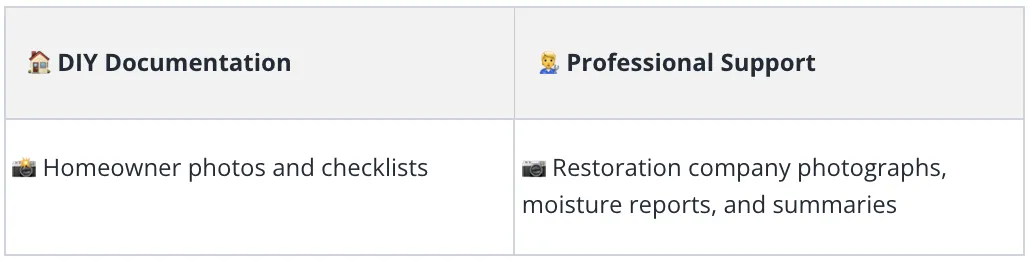
Differences in technical detail, organization, and restoration history tracking
Benefits and challenges of each approach
While DIY documentation empowers homeowners and is essential for minor incidents, professional documentation from restoration specialists provides a higher level of technical recording and clear third-party validation. Both can be combined for optimal claim results.
People Also Ask: Essential Questions About Insurance Documentation After Water Damage
How do I document water damage for insurance?
Document by taking clear, date-stamped photos and videos, creating an inventory of affected items, saving receipts, and collecting reports from restoration providers. Keep all communications and submit your organized documentation as part of your insurance claim.
What photos should I take after water damage?
Take wide-area photos, close-ups of damage, water levels, affected belongings, and ongoing restoration work. Include before-and-after shots where possible.
What documents are needed for a flood insurance claim?
Property and personal item inventory, photos, repair estimates, invoices, receipts, restoration company reports, and any communications with your insurer.
Should I make an inventory of damaged belongings?
Yes, a detailed inventory of all damaged items, with descriptions and photos, helps insurers assess your water damage insurance claim accurately.
Why are restoration estimates important?
Restoration and repair estimates document the scope and cost of necessary work—critical for insurance coverage review and claim approval.
Can a restoration company provide documentation?
Most reputable restoration companies supply inspection reports, moisture records, work logs, and repair summaries to support your insurance claim.
What receipts should I save after water damage?
Keep all receipts for professional services, repair materials, equipment rentals, and temporary housing—these support your damage insurance claim.
How long should I keep insurance claim records?
Retain all insurance documentation after water damage and claim-related records for at least several years in case of future questions or audits.
Does insurance cover all water damage repairs?
Coverage depends on your homeowners insurance policy, the cause of water damage, and any exclusions or coverage limits. Review your document and consult your insurer.
What happens after submitting water damage documentation?
An insurance adjuster reviews your documentation, may schedule an inspection, and determines your claim eligibility based on your policy’s coverage and provided evidence.
Frequently Asked Questions About Insurance Documentation After Water Damage
Why is insurance documentation important after water damage? Insurance documentation creates an official record that clearly shows what happened, what was lost, and what repairs or replacements are needed. This is necessary to support your claim and secure compensation.
What should homeowners document after flooding? Homeowners should document the affected areas, personal belongings, repair and restoration activities, and keep all receipts and communication regarding the claim.
What photos are needed for a water damage claim? Wide-area room photos, close-ups of water-damaged materials and belongings, and before-and-after restoration photos, all clearly dated.
Should damaged belongings be documented before disposal? Yes. Always photograph and inventory all damaged items before they are removed or thrown away.
What is a water damage inventory? It’s a list of all affected items with descriptions, damage details, estimated values, and supporting photos or documents.
What restoration documents should I keep? Keep inspection reports, drying logs, estimates, invoices, receipts, and completion certificates from restoration professionals.
Can restoration companies help document damage? Yes, most restoration professionals provide comprehensive documentation like moisture logs, photos, and final reports.
Do repair estimates help with insurance claims? Absolutely. Estimates show the cost and scope of repairs, supporting your claim for reimbursement.
How long should water damage records be saved? Save all related records for several years, as your insurer may request follow-up information during audits or future claims.
Does documentation guarantee insurance coverage? No, but thorough documentation greatly strengthens your claim. Ultimately, coverage is determined by your insurance policy details.

Need help organizing your claim or restoring your home?
Organizing your insurance documentation is just one part of protecting your home and peace of mind after a water emergency. If you’re interested in learning more about comprehensive strategies for water damage prevention, recovery, and long-term property care, the Best Water Damage USA resource hub offers expert advice and actionable tips. Explore advanced restoration techniques, policy guidance, and homeowner checklists to stay prepared for any scenario. Taking the next step in your water damage knowledge can help you safeguard your investment and respond confidently to future challenges.
S. Raj, M.D. /Bestwaterdamageusa.com
Director, Search Intelligence University/IABLEd
International Association for Business Leaders’ Education
Sources
https://www.fema.gov/flood-insurance – FEMA Flood Insurance Resources

Water Damage Restoration Performance Institute
The Definitive Curriculum for Water Damage Restoration, Mitigation, and Business Excellence.
Mitigare. Restituere. Protegere.
Mitigate. Restore. Protect.
Want Your World to Discover You,
the Easy Way?
Build your expertise in water damage restoration and unlock opportunities in the restoration industry.
We provide industry-focused education, practical training, and expert guidance to help you develop the knowledge and hands-on skills needed to excel in the fast-growing water damage restoration sector. Ask us how.
Copyright 2026. BEST WATER DAMAGE RESTORATION. All Rights Reserved.

* * * * *
COMPANY
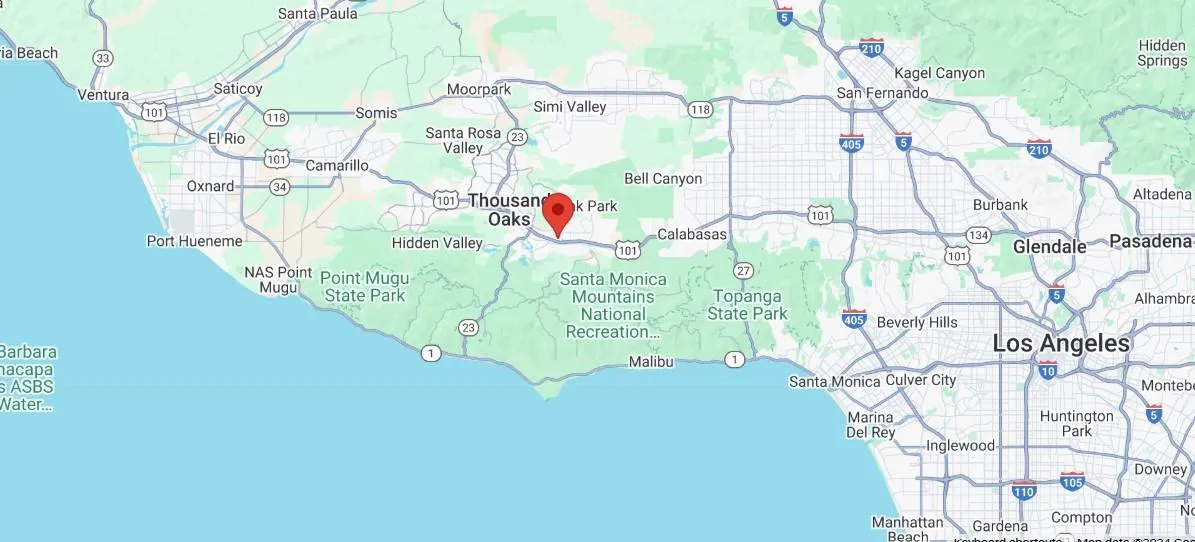
30721 Russell Ranch Rd Suite 140, Westlake Village, CA 91362
CUSTOMER CARE
Get In Touch
Mon – Thurs
10:00am – 4:00pm
Fridays by Appointment
Saturday, Golf
Sunday –hurch
LEGAL
Stay informed about how new technology can make or break a brand.
FOLLOW US


Restore. Protect. Recover.
© 2026 Water Damage Restoration Intelligence Academy | All Rights Reserved.
1. Water Damage Restoration Foundations
2. Water Mitigation, Assessment & Safety
3. Restoration Procedures & Project Planning
4. Advanced Drying Technologies & Moisture Management
5. Restoration Maintenance, Quality Control & Operations
6. Bonus Restoration Masterclass Series