
The First Steps in Professional Water Damage Restoration
Author; S.Raj, M.D, Updated: 8/12/2026 Reading Time: 5 Minutes
Emergency Response & Inspection
Imagine discovering water seeping into your home after a burst pipe or unexpected flood. The clock is ticking, and what you do in the next few hours can mean the difference between a quick recovery and long-lasting damage. Emergency response & inspection are more than the initial steps—they are the foundation of every successful water damage restoration. By understanding what to expect in these critical hours, homeowners can take practical action to protect their property, secure insurance claims, and restore peace of mind.evaluating a solar proposal. Ready to make informed decisions for a more sustainable energy future?
“Facing water damage can be overwhelming, but prompt emergency response & inspection is vital to safeguarding both your home and your health.” — Certified Restoration Specialist
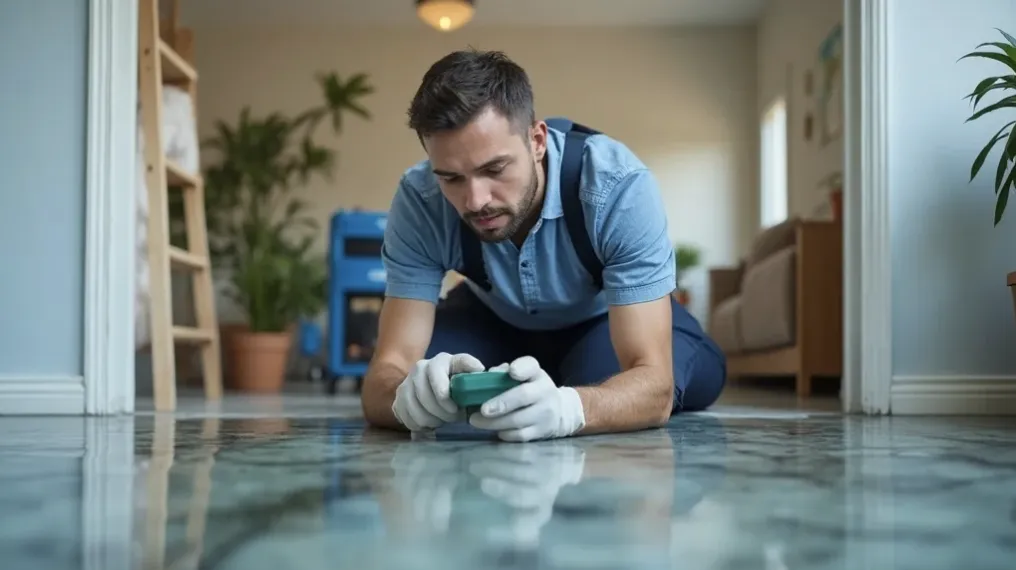
What You'll Learn:
Why timely emergency response & inspection is critical for homeowners
The steps involved in a professional water damage inspection
Which tools and equipment are used during emergency response & inspection
How to prepare your household for restoration experts
Common myths versus facts in the emergency response process
How inspection findings shape your restoration plan
Emergency response & inspection in the first 24–48 hours is crucial to preventing further property damage and securing insurance claims.
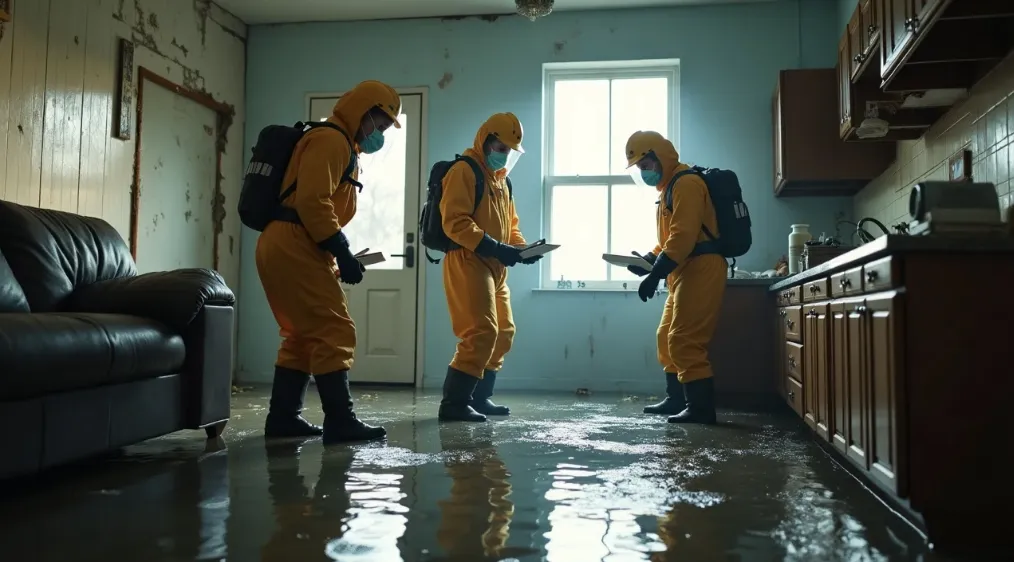
Navigating Emergency Response & Inspection After Water Damage
If you’re a homeowner dealing with sudden water damage, knowing what happens during emergency response & inspection empowers you to take swift, informed action. The first 24–48 hours are critical. Trained professionals respond rapidly to assess immediate risks, stabilize your property, and document findings for insurance—forming the backbone of a successful restoration plan. Their expertise in moisture detection, hazard identification, and property assessment ensures your home receives precisely what it needs.
During this phase, quick collaboration with the restoration company can mitigate hazards such as electrical risks, structural instability, and mold development. Having a clear emergency response plan—even before a disaster strikes—helps streamline communication, prioritize family safety, and document the damage from the start. These early steps protect not only your physical belongings but also your ability to recover costs and restore your sense of security. For a more detailed look at the specific restoration techniques used after the initial inspection, you can explore the comprehensive resources available at Best Water Damage Restoration USA, which covers advanced water extraction and drying strategies.
Understanding Emergency Response & Inspection: Definition, Purpose, and Benefits
What Is Emergency Response & Inspection?
Definition and scope: Emergency response & inspection refers to specialized protocols restoration professionals use in the first hours after water damage is reported. This process covers immediate hazard identification, property assessment, and documentation for insurers.
Purpose for homeowners: To identify safety risks, document loss, and determine the next steps to prevent escalation and begin mitigation.
Advantages of quick action: Protects health (by identifying contaminated water and mold hazards), mitigates property loss, and aligns your case for possible insurance claims.
Differences: Inspection focuses on identifying damage, assessment analyzes severity, and mitigation involves taking steps to prevent further harm.
"Emergency preparedness and a proper response plan give homeowners confidence during a crisis." — Restoration Industry Expert
Having a clear response plan before issues arise—sometimes as simple as keeping important contact information, insurance documents, and an emergency kit handy—can reduce confusion and stress. The primary benefits of professional inspection include thorough hazard checks (from slip risks to hidden electrical dangers), expert moisture mapping, and detailed loss documentation for insurance. These measures not only facilitate fast property recovery but often determine whether your insurance claim moves forward smoothly.
Finally, remember that emergency response & inspection is just the first phase of a complete water damage restoration process. These steps lay the groundwork for safe entry, accurate cause identification, and a recovery plan tailored to the unique conditions inside your home.
Why Immediate Emergency Response Matters for Homeowners
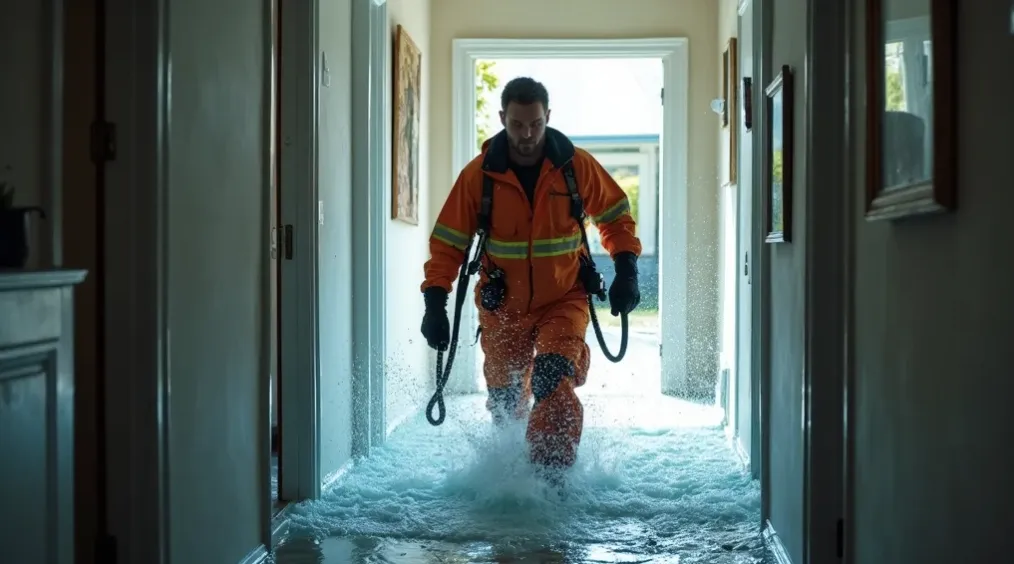
Why is prompt emergency response & inspection essential?
Safety hazards: Water damage can introduce significant dangers—electrical shock, slip-and-fall injuries, and exposure to contaminated water are all risks. Professional teams use personal protective gear and confirm the site is secure before entering.
Escalating structural damage: The longer water sits, the more it seeps into drywall, wood, and insulation, putting floors and walls at risk of collapse or rot. Prompt intervention reduces costly repairs.
Mold growth: Mold and mildew can begin forming within 24–48 hours. Containment and moisture removal stop this process early—essential for health protection and property value.
Insurance documentation: Most insurers require immediate notice and thorough, time-stamped documentation. Delay may jeopardize your claim, as many policies have reporting deadlines.
Lower repair costs: Respond quickly to limit damage, accelerate recovery, and avoid unnecessary restoration expenses.
Emergency response is not just about removing water; it is about protecting human health, meeting insurance guidelines, and preserving your property’s structural integrity. Remember, every hour counts, so a rapid call to a qualified restoration professional with emergency water damage response expertise is always recommended.
Step-by-Step: What Happens During a Professional Water Damage Inspection
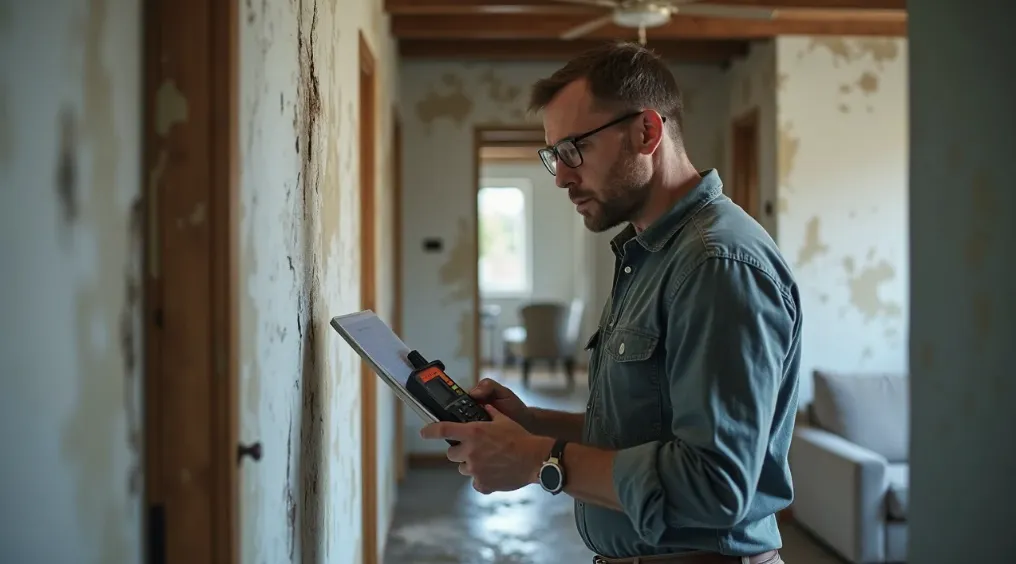
What happens during a water damage inspection?
Initial walkthrough and safety check: Professionals confirm there are no immediate hazards such as active electricity or structural weaknesses before proceeding.
Emergency response assessment and stabilization: Quick actions like shutting off water sources, moving electronics, or placing protective coverings over at-risk areas.
Locating water source: The team identifies where water entered and determines whether the source is ongoing (like a leaking pipe) or has been stopped.
Categorizing the water: Water is classified as Clean (Category 1), Gray (Category 2), or Black (Category 3) to gauge contamination risk.
Damage assessment: Both visible and hidden water damage are documented. This includes checking walls, floors, ceilings, and personal property.
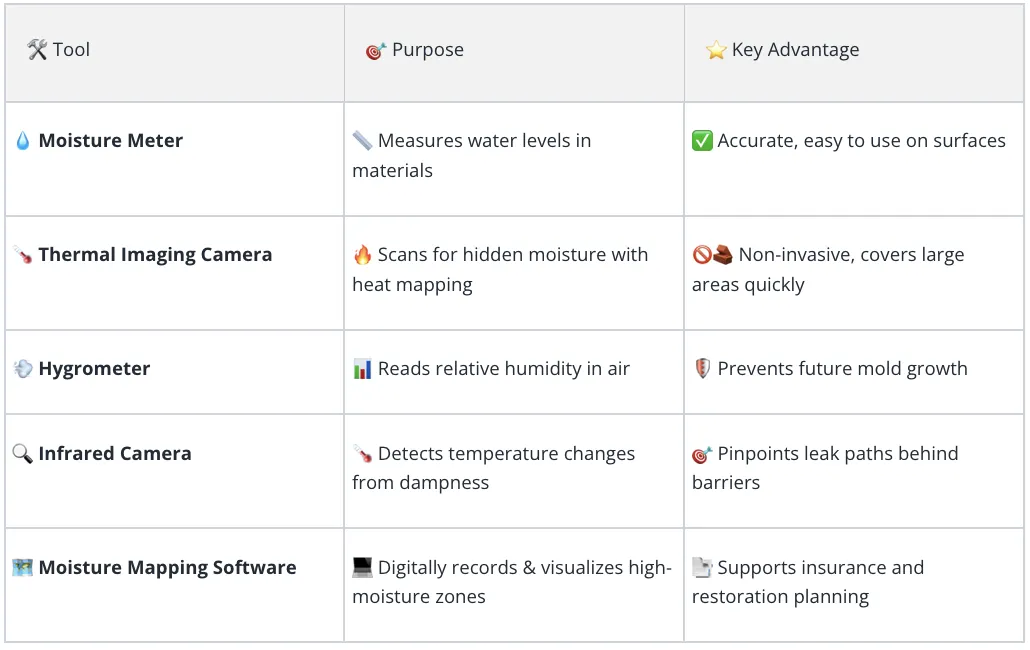
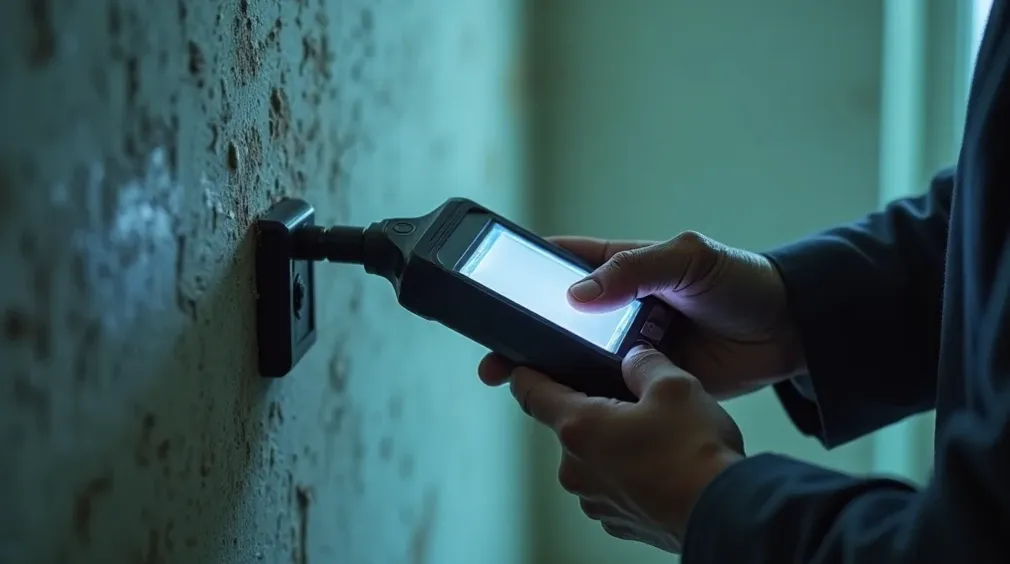
Moisture inspection and mapping: High-tech tools like moisture meters and thermal cameras uncover damp areas invisible to the eye—behind walls, beneath flooring, and in insulation.
Structural and contents inspection: A thorough review of load-bearing components, affected belongings, and possible toxin exposure.
Documentation: Inspectors capture everything via photos, video, written notes, and moisture readings for your insurance company.
Stabilization workflow: The team sets up fans, dehumidifiers, and protective barriers. Restoration phasing is explained, so you know what to expect next.
Restoration Process Flow Diagram (Described): The visual would show an initial phone call → emergency site entry → safety assessment → moisture detection and mapping → detailed documentation → creation of a restoration plan, with arrows indicating the step-by-step progress and feedback between homeowner and restoration company.
Key Homeowner Questions to Ask: What are my immediate safety concerns? What is the category/class of this water damage? Which areas require most urgent attention? What documentation will you provide for insurance?
Equipment Used During Emergency Response & Inspection
What equipment is used during a water damage inspection?
Moisture meters: Pin-type and pinless devices for locating and measuring moisture levels deep within building materials.
Thermal imaging cameras and infrared cameras: Detect hidden moisture behind walls, floors, and ceilings using heat signatures.
Hygrometers: Measure indoor humidity to assess drying needs and prevent mold growth.
Moisture mapping tools and software: Digitally chart areas of high moisture, offering a map for targeted drying.
Evacuation equipment: Used if there's a need to quickly relocate residents, pets, or valuables for safety.
How Professionals Develop a Water Damage Restoration Plan After Inspection
What happens after emergency response & inspection?
Drying and mitigation strategy: Based on inspection data, the restoration team determines which areas need immediate drying and which materials require removal.
Specialized equipment selection: Air movers, dehumidifiers, extractors, HEPA vacuums—all chosen based on the unique scope of damage and contamination present.
Material and content removal: Wet drywall, flooring, or irreparable items may need to be discarded. Valuable belongings get special restoration treatment or protective storage.
Restoration priorities: Action plan sequences work by order of risk: stabilize, dry, disinfect, repair. Each step is phased for safety and efficiency.
Coordination with homeowners and insurers: The plan is discussed with you and, if needed, your insurance adjuster for transparency and approval of covered work.
"An accurate property damage assessment sets the foundation for an effective restoration plan." — Water Restoration Consultant
The water damage restoration plan is never a one-size-fits-all template. Inspection findings guide a customized pathway for every property, ensuring the right tools and techniques address both visible and hidden threats. Clear communication between you, contractors, and insurance representatives keeps everyone focused on swift recovery and long-term property resilience.
Preparing for the Emergency Response & Inspection Team: Homeowner Checklist
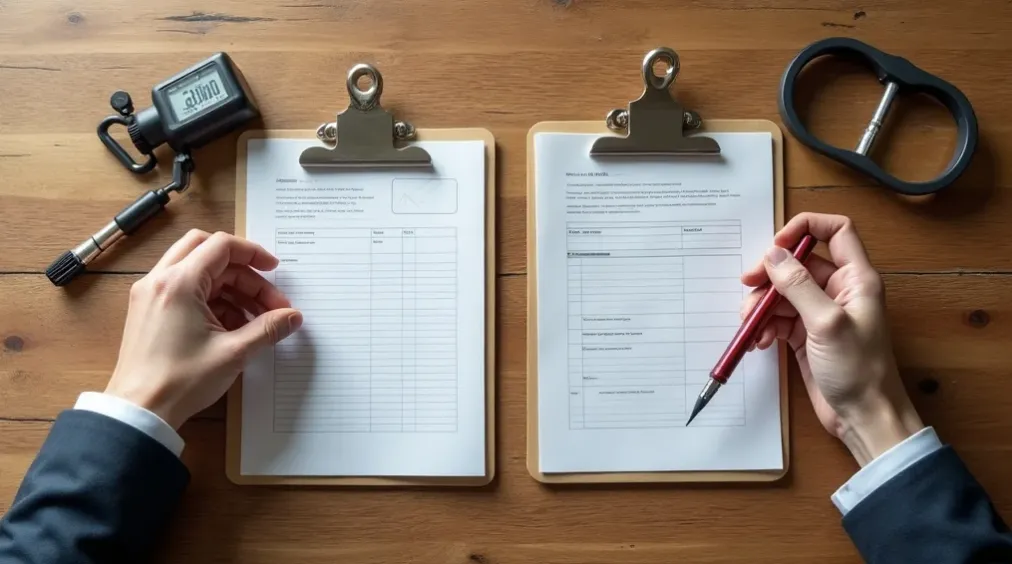
Gather all insurance documents and take initial photos of the damage before professionals arrive.
If safe, turn off electricity, gas, and water to affected areas.
Move valuables and sensitive personal belongings (like heirlooms or electronics) to a dry location.
Secure pets and share any accessibility concerns or special needs with the team on arrival.
Prepare a list of questions for the restoration company (such as process timelines, safety measures, and insurance paperwork).

Emergency Response Checklist: Contact emergency restoration provider, confirm property is accessible, review emergency contacts.
Water Damage Inspection Checklist: Document damage, note suspicious odors or colors, map wet vs. dry areas.
Insurance Documentation Checklist: Save all receipts, time-stamped photos, and official communications with professionals and your insurer.
After the Emergency Response & Inspection: What to Expect Next
What are the next steps of professional restoration?
Emergency water extraction: Technicians use high-power pumps and vacuums to remove standing water.
Drying and dehumidification: Air movers and dehumidifiers are strategically placed to wick away lingering moisture and prevent secondary damage.
Cleaning and disinfection: Especially for contaminated water (Category 2 “gray” and Category 3 “black”), surfaces are cleaned and sanitized.
Repairs and restoration: Damaged drywall, flooring, and personal belongings are repaired or replaced as needed.
Ongoing inspection: Inspectors revisit with moisture meters to make sure the property is thoroughly dry before project completion.
Homeowner Example: After an overnight pipe burst, one homeowner’s restoration journey spanned four key phases: rapid inspection, immediate water extraction, steady drying over several days, and careful repairs—with constant updates and moisture checks throughout for peace of mind.
Benefits and Limitations of Emergency Response & Inspection
Key Benefits:
Individualized, property-specific restoration plan
Documentation and support for filing insurance claims
Rapid mitigation of ongoing risks and costs
Key Limitations:
Some hidden moisture or structural issues may remain undetected in the first visit—request follow-ups if you suspect ongoing problems.
Insurance coverage may exclude certain types or sources of damage (always review your policy carefully).
Weather and existing material condition can affect restoration outcomes and timelines.
"Even advanced emergency response & inspection tools may miss concealed damage—always request follow-up checks if issues arise."
Tables: Essential Comparisons for Emergency Response & Inspection
Table: Water Damage Category Comparison (Clean, Gray, Black)
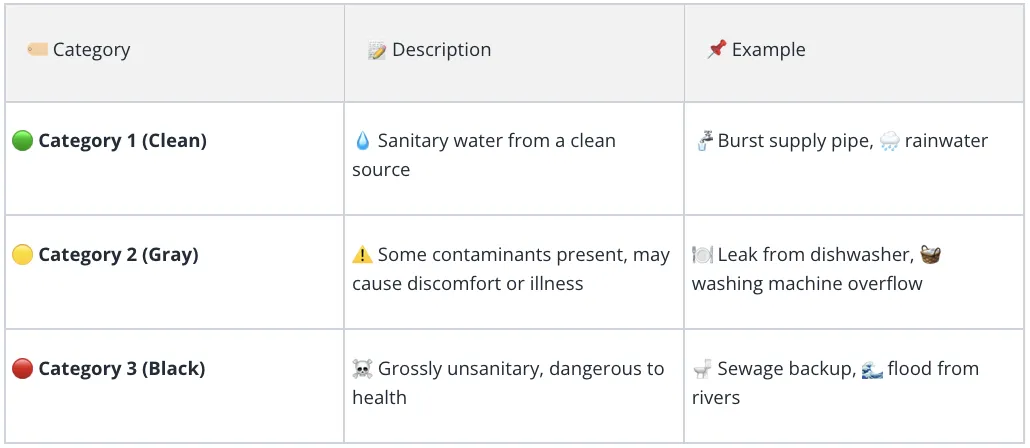
Table: Classification of Water Damage (Class 1–4)
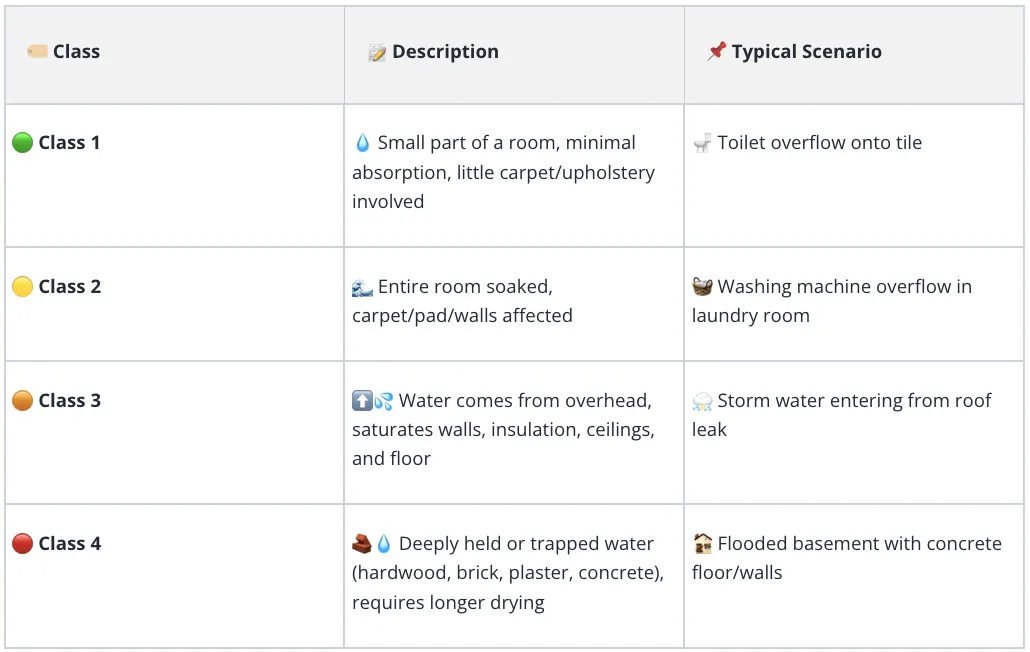
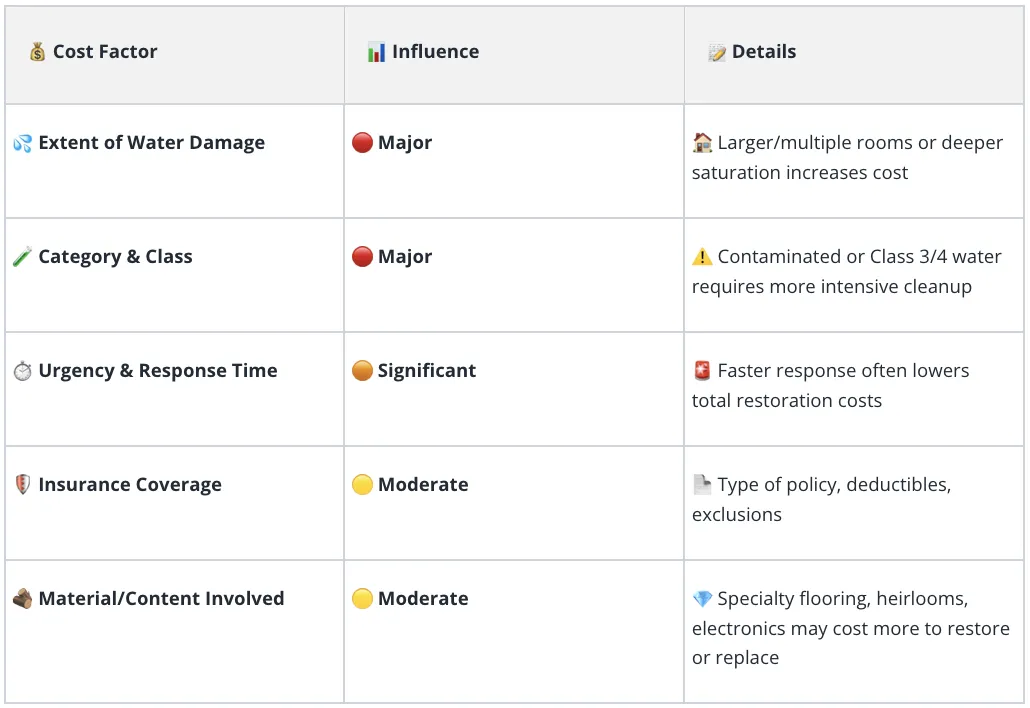
Table: Cost Considerations in Emergency Response & Inspection (Factors, Not Pricing)
People Also Ask: Emergency Response & Inspection Questions
What are the 4 pillars of EM?
The four pillars of emergency management (EM) are: mitigation, preparedness, response, and recovery. Each plays a critical role in the overall emergency response plan to minimize risks and ensure a structured approach to disasters like water damage in the home.
What job pays the most in emergency response?
Emergency response careers vary widely in pay. Positions such as emergency management directors or disaster recovery managers often command higher salaries, especially in federal agencies or organizations overseeing large-scale preparedness and response efforts.
What are the 3 C's of emergency response?
The “3 C’s” stand for Check, Call, and Care. First, check the scene for safety; next, call for professional help and emergency restoration services; finally, care for people and property until help arrives.
What are the 5 steps of emergency response?
The 5 essential steps are: 1) Assess the situation and ensure site is secure; 2) Alert professionals and insurers; 3) Document all visible damage; 4) Begin emergency mitigation and safety measures; 5) Start the cleanup and restoration process, coordinated with experts.
What happens during a water damage inspection?
Inspectors perform an initial safety check, identify water sources, classify water type, assess visible and hidden damage, map moisture, and create detailed documentation for insurance and restoration planning.
How soon should water damage be inspected?
Water damage should be inspected as soon as it is discovered—ideally within the first 24–48 hours. Delays can increase the risk of escalation and insurance claim complications.
What should I do immediately after water damage?
Turn off water and possible utilities if safe, take photos of damage, call a professional water damage response team, and notify your insurer to start documentation.
How do professionals assess water damage?
They use specialized tools such as moisture meters, infrared/thermal cameras, and hygrometers to identify both visible and hidden damage in structural and personal property.
How do inspectors detect hidden moisture?
Inspectors deploy moisture meters and thermal imaging cameras to uncover hidden moisture behind walls, under floors, and within ceilings without major demolition.
Can water damage cause mold if left untreated?
Yes—standing moisture enables mold to develop within 24–48 hours, leading to health risks and costly remediation if not addressed rapidly.
How long does a water damage inspection take?
A typical inspection usually takes 1–3 hours, but large or complex properties may require more time for thorough evaluation and documentation.
Is water damage covered by homeowners insurance?
Certain types of sudden water damage are covered, but gradual leaks, flooding, or neglect may not be. Always check your specific policy and document extensively.
What equipment is used during a water damage inspection?
Moisture meters, thermal imaging and infrared cameras, hygrometers, and professional moisture mapping software help detect and measure both obvious and hidden water damage.
What happens after the inspection is complete?
The restoration team moves to water extraction, drying, cleaning and disinfecting affected areas, conducting repairs, and performing final moisture assessments before completion.
Frequently Asked Questions: Emergency Response & Inspection
What is emergency water damage response?
It is the rapid deployment of professionals to assess, stabilize, and document property loss during water emergencies such as floods or burst pipes.What is included in a professional water damage inspection?
A multi-step evaluation: visual checks, moisture mapping, structural assessments, categorization of water type/class, hazard documentation, and restoration planning.How do restoration professionals determine the extent of water damage?
Using a combination of advanced detection tools (moisture meters, thermal cameras), visual observations, and material testing to map visible and hidden moisture areas.What are the different categories of water damage?
Category 1 (Clean), Category 2 (Gray), and Category 3 (Black), each based on the contamination level of the water involved.What are the classes of water damage?
Classes 1–4 indicate the depth of material absorption and involvement, affecting restoration strategy.How quickly should water damage be addressed?
Immediate response—ideally within the first 24–48 hours—is necessary to reduce further damage, loss, and health risks.What should homeowners do before the restoration team arrives?
Gather documentation, confirm safety, move valuables, secure pets, and prepare questions for the experts.Can hidden moisture be detected without opening walls?
Yes, professionals use noninvasive tools like moisture meters and thermal cameras to locate invisible damp areas.Does homeowners insurance cover emergency water damage restoration?
Some sudden and accidental damage is covered, but exclusions may apply. Carefully review your policy and document all damages extensively.What are the next steps after a water damage inspection?
Extraction, drying, cleaning, ongoing monitoring, repairs, and a final inspection before project closure.
Homeowner Decision-Making Guide: Navigating Emergency Response & Inspection

Checklist: Warning Signs of Hidden Moisture
Unexplained odors (musty, earthy smells)
Spots of discoloration or bubbling paint
Warped wood or flooring
Persistent dampness or cool spots on walls or floors
Top Questions to Ask Restoration Companies
What is your response time for emergencies?
How do you detect and document hidden water damage?
Will you assist with insurance documentation?
What certifications do your technicians have (IICRC, etc.)?
How do you ensure all moisture is removed before repairs begin?
Common Homeowner Mistakes to Avoid
Delaying the emergency call—time is critical
Throwing away damaged materials before documentation
Attempting major cleanup without proper safety gear
Failing to document the full area and visible/hidden damage for insurance
Assuming all water damage will be covered by insurance
Ready to Protect Your Home? Schedule an Emergency Response & Inspection Today
S. Raj, M.D. /Bestwaterdamageusa.com
Director, Search Intelligence University/IABLEd
International Association for Business Leaders’ Education
Sources
http://www.osha.gov/emergency-preparedness - Emergency Preparedness and Response
https://www.ncsea.com/career-growth/emergency-response/ - Emergency Response
https://www.fema.gov/assistance/individual/after-applying/home-inspections - Home Inspections
Water Damage Restoration Performance Institute
The Definitive Curriculum for Water Damage Restoration, Mitigation, and Business Excellence.
Mitigare. Restituere. Protegere.
Mitigate. Restore. Protect.
Want Your World to Discover You,
the Easy Way?
Build your expertise in water damage restoration and unlock opportunities in the restoration industry.
We provide industry-focused education, practical training, and expert guidance to help you develop the knowledge and hands-on skills needed to excel in the fast-growing water damage restoration sector. Ask us how.
Copyright 2026. BEST WATER DAMAGE RESTORATION. All Rights Reserved.

* * * * *
COMPANY
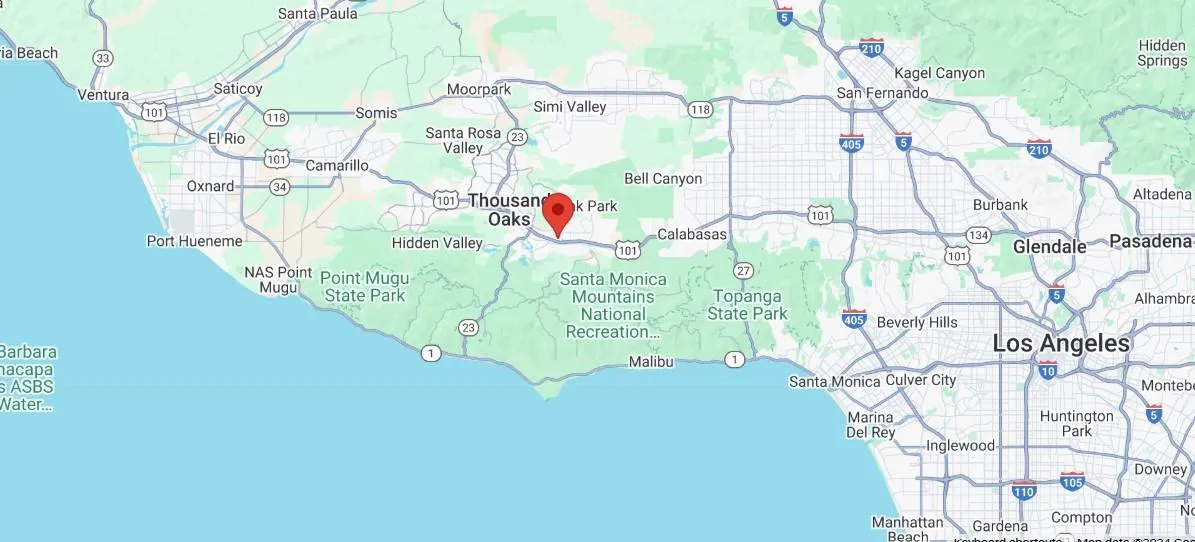
30721 Russell Ranch Rd Suite 140, Westlake Village, CA 91362
CUSTOMER CARE
Get In Touch
Mon – Thurs
10:00am – 4:00pm
Fridays by Appointment
Saturday, Golf
Sunday –hurch
LEGAL
Stay informed about how new technology can make or break a brand.
FOLLOW US


Restore. Protect. Recover.
© 2026 Water Damage Restoration Intelligence Academy | All Rights Reserved.
1. Water Damage Restoration Foundations
2. Water Mitigation, Assessment & Safety
3. Restoration Procedures & Project Planning
4. Advanced Drying Technologies & Moisture Management
5. Restoration Maintenance, Quality Control & Operations
6. Bonus Restoration Masterclass Series