How Professionals Restore a Safe Environment
Author; S.Raj, M.D, Updated: 8/12/2026 Reading Time: 5 Minutes
Cleaning & Sanitizing After Water Damage
Imagine walking into your home after flood water has receded, only to find lingering musty odors, visible stains, and the uncertainty of what contaminants may remain. Water damage isn’t just about removing standing water; it’s about restoring a truly safe living environment. Whether the source is a leaking supply line, heavy rain, or sewage backup, cleaning & sanitizing after water damage is essential to protect your household from hidden health hazards, lingering odors, and lingering mold growth. This guide will walk you through the professional techniques that restore peace of mind and long-term safety to your home.
What You'll Learn in This Guide to Cleaning & Sanitizing After Water Damage
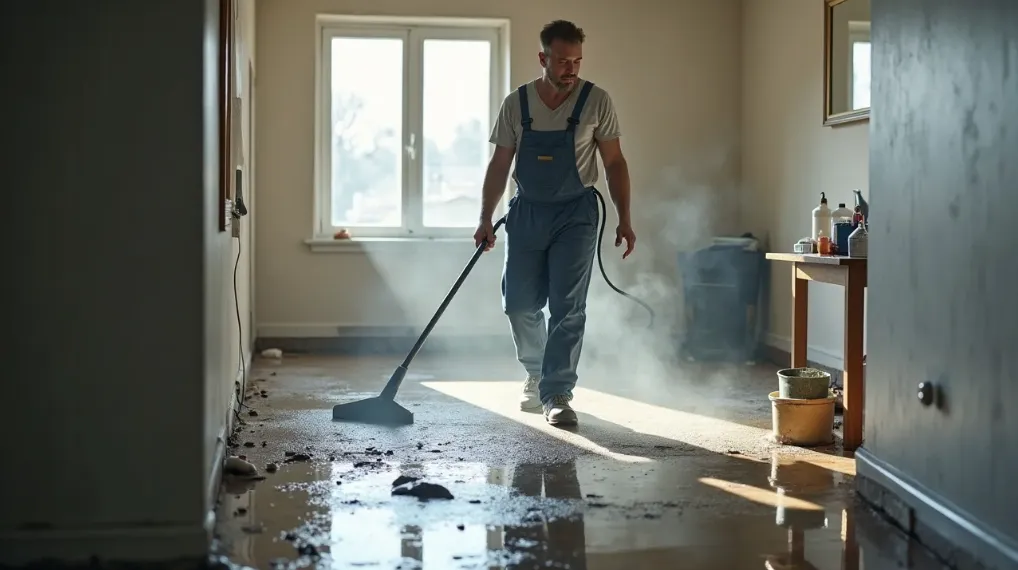
Key reasons why professional cleaning and sanitizing after water damage are vital for health and safety
Differences between cleaning, sanitizing, and disinfecting procedures
Step-by-step overview of how professionals restore homes after flood water or leaks
Safety tips, common mistakes, and homeowner FAQs
Visual flowchart of the water damage cleaning workflow
Restoring a Safe Environment: Why Cleaning & Sanitizing After Water Damage Matters
After removing visible water, homeowners often wonder what the next steps should be. Cleaning & sanitizing after water damage aren’t simply about aesthetics; they are vital for removing bacteria, viruses, mold spores, and contaminants brought in by flood water or leaks. Stagnant water left behind can saturate furniture, flooring, and wall cavities, providing the perfect conditions for mold growth, mildew, and lingering odors. Without proper intervention, these hidden hazards can harm your health and degrade building materials, making full recovery more complex and costly. Professional restoration services address both immediate and long-term risks—so you won’t face recurring headaches or health concerns down the road.
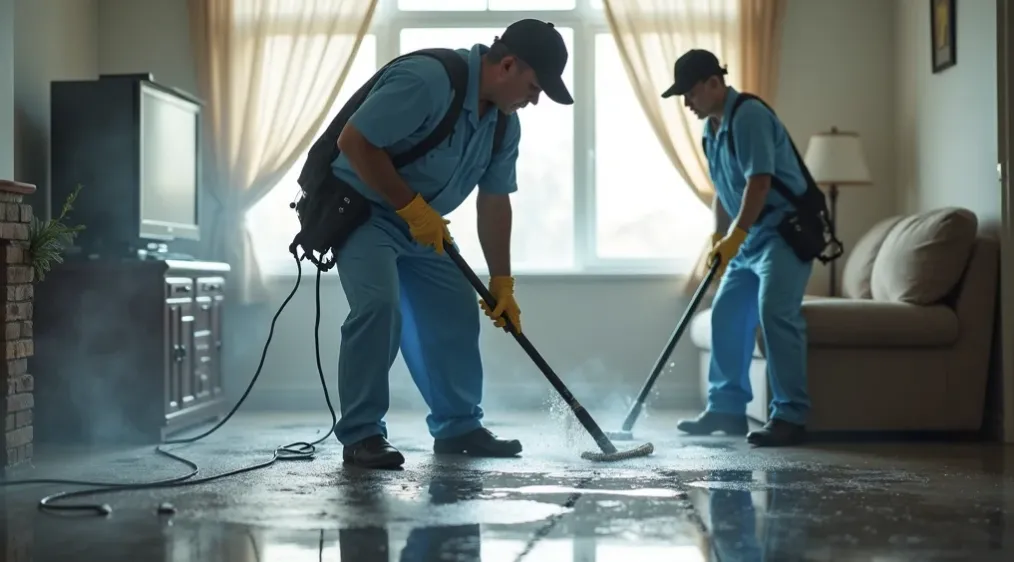
Risks Associated with Water Damage Cleaning
Effects of contaminated water, including bacteria, viruses, and mold growth
Residue left behind after flood water
Persistent odors, stains, and surface degradation
Hazards to family health and property structure
Understanding Cleaning, Sanitizing, and Disinfecting After Water Damage
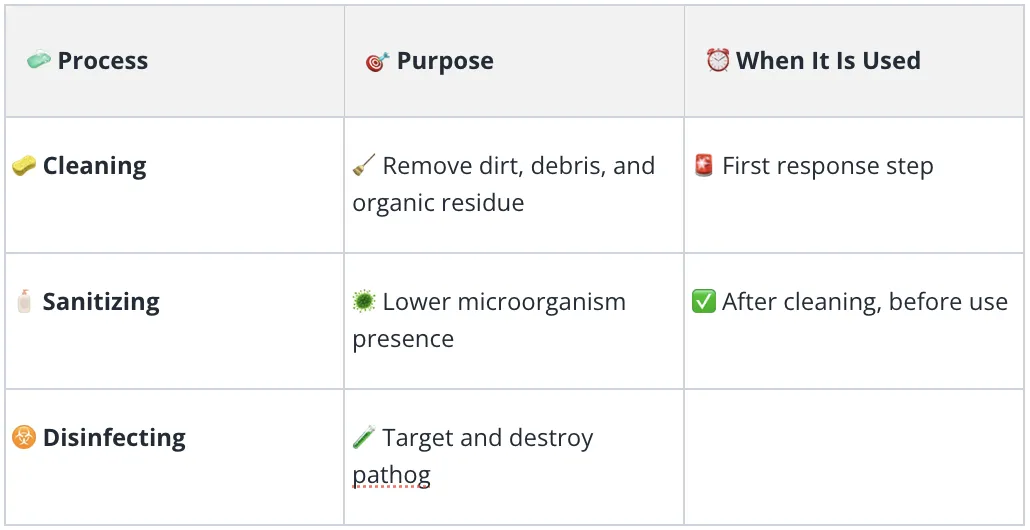
Cleaning, sanitizing, and disinfecting are often used interchangeably, but they have distinct roles in water damage restoration. Understanding these differences is essential for safe, effective home recovery.
For homeowners seeking a more detailed breakdown of the restoration process, including the specific steps and equipment used by professionals, you can find a comprehensive overview in our step-by-step guide to the water damage restoration process. This resource clarifies what to expect from initial assessment through final repairs.
Cleaning: The Crucial First Step in Water Damage Restoration
Cleaning is about physically removing dirt, mud, debris, and organic matter left after a water intrusion event. Professionals use industry-grade tools and detergents to address not only what’s visible but also what’s hidden inside cabinets, beneath flooring, and within other crevices. Rinsing with clean water is an evidence-based practice that helps remove lingering contaminants brought in by flood waters. This step lays the groundwork for further sanitizing or disinfecting, as you can't safely sanitize or disinfect surfaces still coated with residue or dirt. The process also prevents gradual surface degradation and makes it easier to spot areas needing more attention or even replacement as repairs progress.
Sanitizing: Reducing Microbial Presence After Flood Water Exposure
After surfaces are cleaned, sanitizing reduces bacteria and other microorganisms to safer, generally acceptable levels. For common household and food-contact sites, EPA-approved sanitizers or dilute bleach solution (such as 1 tablespoon of chlorine bleach per gallon of water for non-porous surfaces) are applied. This step is crucial in kitchens, bathrooms, and any areas impacted by flood water or sewage cleanup. Sanitizing doesn't eliminate all pathogens, but it goes a long way toward protecting your health after visible messes are gone. Professional water damage cleaning teams understand how to target high-risk surfaces and common touchpoints for comprehensive post flood cleaning.
Disinfecting: When Is It Needed After Water Damage?
Disinfecting involves using stronger products (like a higher-concentration bleach solution or EPA-registered disinfectants) to destroy specific harmful microorganisms, including viruses, bacteria, and mold spores. It is warranted in situations with confirmed contamination (such as black water events, sewage backups, or when mold growth is visible). Disinfecting is not the same as cleaning. Surfaces must first be thoroughly cleaned and rinsed—with disinfectant products applied and left on for the recommended dwell time to ensure efficacy. This targeted step is especially vital for high-traffic areas and items that had contact with contaminated water, helping move your property into a safe, livable condition.
How Professionals Clean & Sanitize After Water Damage
Trained restoration technicians follow a precise, evidence-based workflow to deliver results you can trust. Here’s how the professional water damage cleaning process unfolds from the moment they arrive:
Initial safety and contamination assessment
Identifying flood water category (clean, gray, black)
Removing debris and unsalvageable materials
Meticulously cleaning all affected surfaces
Applying proper sanitizing or bleach solution where necessary
Odor removal after water damage and environmental controls
Final inspection for restoration readiness
Workflow Diagram: Professional Cleaning & Sanitizing After Water Damage
1. Hazard assessment → 2. Water extraction → 3. Contaminant and debris removal → 4. Thorough cleaning → 5. Sanitizing and disinfecting → 6. Odor control/air purification → 7. Verification and documentation.
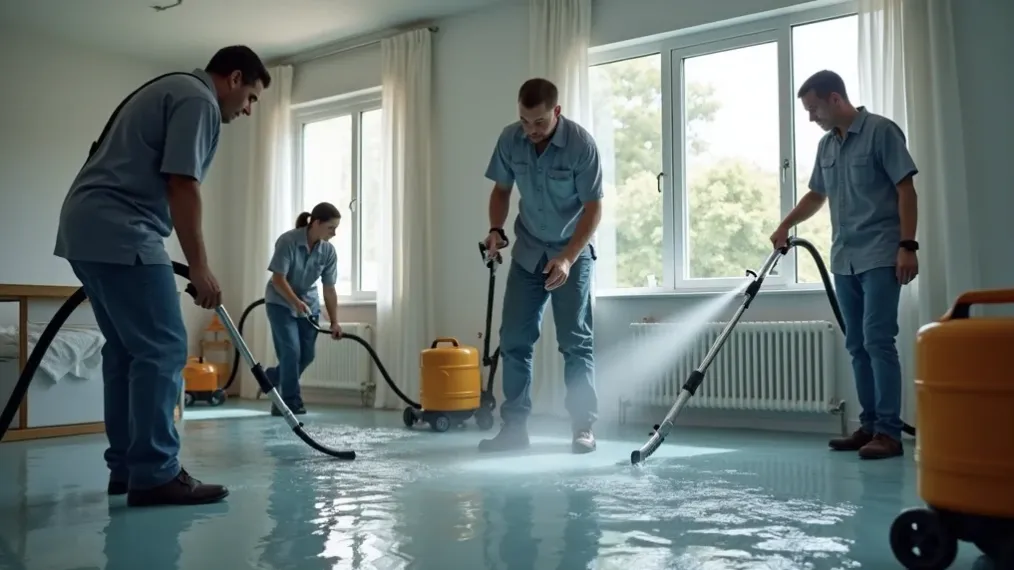
Each step is designed to address health risks, structural integrity, and indoor air quality. Professionals use moisture meters, infrared cameras, and air purifiers to ensure all hazards—including those in unseen spaces like wall cavities and behind appliances—are genuinely resolved.
Cleaning Different Types of Water Damage: Clean, Gray, and Black Water
Understanding the source of water damage determines the correct cleaning & sanitizing approach. Not all water is equal in contamination risk, and the method must match the hazard.
Responding to Clean Water Damage
Common sources: burst supply lines, rainwater leaks
Recommended cleaning methods: extraction, drying, basic cleaning, limited sanitizing
Clean water events usually involve supply lines or rainwater—minimally contaminated when fresh but capable of causing mold and secondary contamination if not quickly addressed. Professional restoration teams use high-powered extraction, drying fans, and basic cleaning agents. Walls, flooring, and furniture are dried out and surfaces are sanitized for a precautionary layer of safety. Mold prevention is still essential, as even clean water promotes mold growth if left unaddressed.
Responding to Gray Water Damage
Common sources: appliance leaks, shower overflow
Recommended cleaning methods: targeted cleaning, bleach solution application, increased sanitizing focus
Gray water contains some pollutants such as soaps, detergents, or food residues. Appliance leaks or overflows (like from dishwashers) fall in this category. Restoration experts clean, rinse, and apply a bleach solution or equivalent sanitizer to all affected surfaces. Recovery also includes thorough drying, monitoring for residual moisture, and sometimes, removal of materials that cannot be completely cleaned and dried (such as carpet pads or insulation).
Responding to Black Water Damage and Sewage Cleanup
Common sources: flood water, sewage backup
Recommended cleaning and sanitizing: full personal protective equipment, professional water damage cleaning, enhanced disinfection, safe removal and disposal of unsalvageable items
Black water is the most hazardous, arising from outside flooding or sewage. It likely contains pathogens, chemicals, and debris. Only trained crews with PPE should address this level—removing porous items (like carpets, insulation, canned food exposed to water), performing contaminated water cleanup protocols, and using industrial strength disinfectants. Homeowners should never attempt black water or sewage cleanup on their own; the risks to health and property are simply too great.
Professional Water Damage Cleaning & Sanitizing Methods
Surface cleaning with industry-grade detergents
Use of bleach solution and approved disinfectants for disinfecting
HEPA vacuuming and air scrubbing for mold spores
Deodorization and odor removal after water damage
Antimicrobial treatment as indicated by contamination
Ensuring thorough drying and air quality monitoring
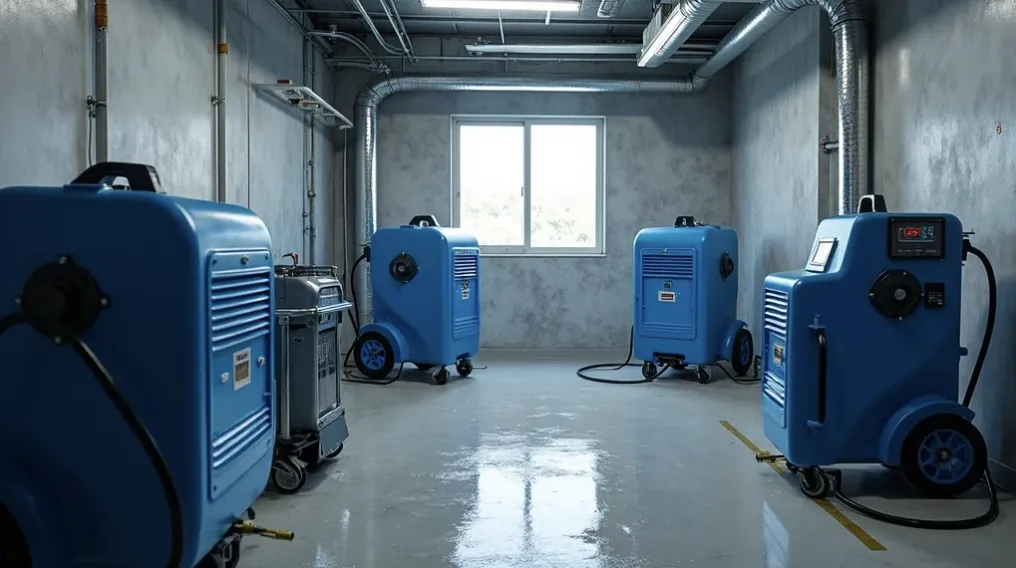
Specialized tools make the difference: HEPA vacuums trap mold spores, air scrubbers filter contaminants, and dehumidifiers speed drying to prevent mold growth. Odor removal after water damage is addressed using a combination of chemical deodorizers, ozone machines, or air filtration—not just masking the smell but eliminating its source. Surfaces are treated based on their material, contamination level, and whether they require antimicrobial treatment. Every step is documented for your records and insurance needs.
Flood Water Cleanup Safety: Essential Precautions and Personal Protection
Proper use of gloves, boots, masks, and goggles
Awareness of electrical hazards
Handling contaminated water
Removing and disposing of compromised materials
Preventing mold growth and addressing hidden moisture
Personal safety comes first. If standing water is present, always turn off electricity if safe to do so and avoid entering submerged areas. Wear PPE: rubber boots, gloves, goggles, and a protective mask. Avoid direct contact with flood water—especially in basements or areas with sewage, as these are often contaminated. Dispose of anything that can't be fully sanitized, especially porous items and materials damaged beyond repair. Drying every affected area, including inside wall cavities and HVAC systems, is crucial to prevent hidden mold and mildew that often go unseen until causing health symptoms or structural damage.
Common Mistakes Homeowners Make with Water Damage Cleaning
Underestimating risks of flood water contamination
Inadequate safety gear or protection
Use of bleach solution without proper dilution
Neglecting hidden or structural water damage
Covering up odors instead of comprehensive odor removal after water damage
Some homeowners may not realize the dangers associated with attempting to clean up flood damage alone. Common pitfalls include entering unsafe areas before an electrician has inspected the premises, using improper chemical mixtures (like undiluted chlorine bleach), or failing to properly address moisture that has seeped into subflooring or wall cavities. Relying on air fresheners to mask odors, rather than resolving root contamination, can lead to recurring issues and possible health risks. When in doubt, it’s always a good idea to consult a professional cleaning service or review recommendations from an official website or local authorities.
DIY Water Damage Cleaning vs Professional Restoration: Key Differences
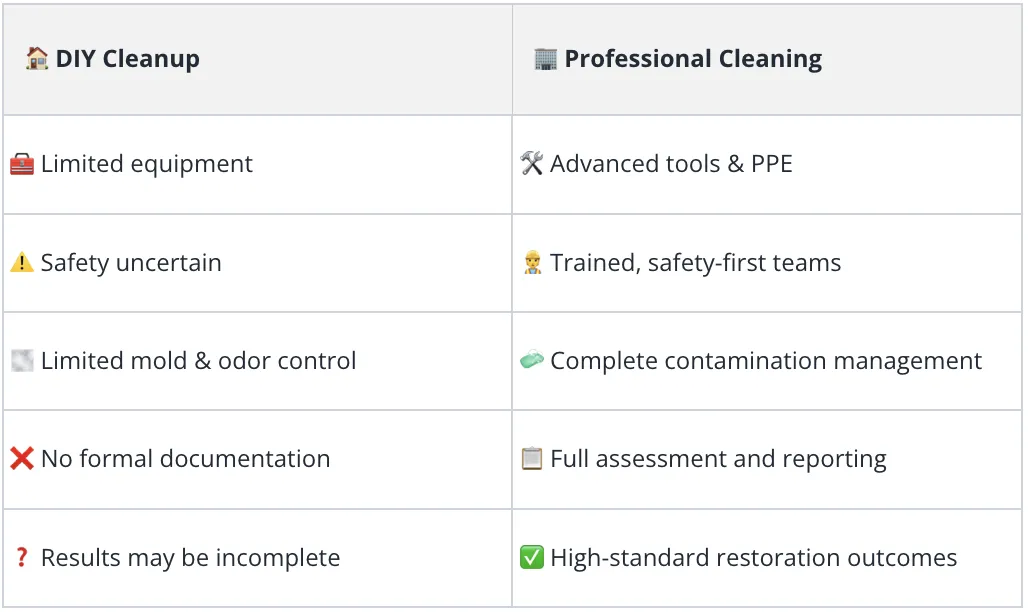
While small, contained leaks may be manageable for homeowners with the right precautions, most situations—especially those involving flood waters, sewage, or extensive contamination—demand professional attention. Trained teams have the equipment, expertise, and formal safety protocols necessary to protect your health and property.
What Happens After Cleaning & Sanitizing After Water Damage?
Final inspection and surface verification
Restoration repairs and rebuilding where necessary
Air quality testing and documentation
Property returned to a safe, livable condition
After cleaning and sanitizing, restoration professionals perform a thorough inspection to ensure no contaminants or moisture remain. They may conduct air quality tests and document all actions for your records or insurance. If repairs or rebuilding are necessary (such as replacing drywall or flooring), these are scheduled once the property is verified safe. The final goal is to return your home to a healthy, comfortable, and secure state.
People Also Ask: Water Damage Cleaning and Sanitizing
How do you clean a house after water damage?
Begin with safety checks, remove debris, clean all surfaces with approved cleaning and sanitizing agents, fully dry the area, and assess for mold. For flood water or sewage, professional restoration services are strongly recommended.
Why is sanitizing necessary after flooding?
Flood water may contain harmful contaminants including bacteria, mold spores, and chemicals. Sanitizing helps protect health by reducing these risks, especially after visible cleaning.
What is the difference between cleaning and disinfecting?
Cleaning removes dirt and debris. Disinfecting uses specific methods like a bleach solution to kill certain harmful microorganisms. Both are needed for effective water damage cleaning.
Is flood water contaminated?
Flood water is usually considered contaminated and can carry pathogens, debris, and chemicals. Always treat it as a hazard and use professional contaminated water cleanup methods.
Can I clean water damage myself?
Minor incidents may be manageable with evidence-based cleaning and sanitizing. For extensive or sewage-related water damage, professional water damage cleaning is safer and more reliable.
What products are used to sanitize after water damage?
Professional water damage cleaning teams use EPA-approved disinfectants, bleach solution, and commercial antimicrobials designed for flood cleanup services.
How do professionals remove odors after flooding?
Odor removal after water damage combines deep cleaning, disinfecting, air filtration, and industrial deodorization. Restoration experts address sources—not just mask smells.
How long does water damage cleanup take?
Water damage cleanup timelines vary based on the extent and water type, usually ranging from several hours to days for full cleaning and drying.
What should be thrown away after flood damage?
Porous materials exposed to flood water, such as carpeting, insulation, and soaked furniture, as well as anything that cannot be thoroughly cleaned and sanitized, should be safely discarded.
When should I hire a professional water damage cleaning company?
Contact a professional restoration company if water damage is extensive, involves sewage, or if there’s visible mold, structural issues, or persistent odors after basic cleaning.
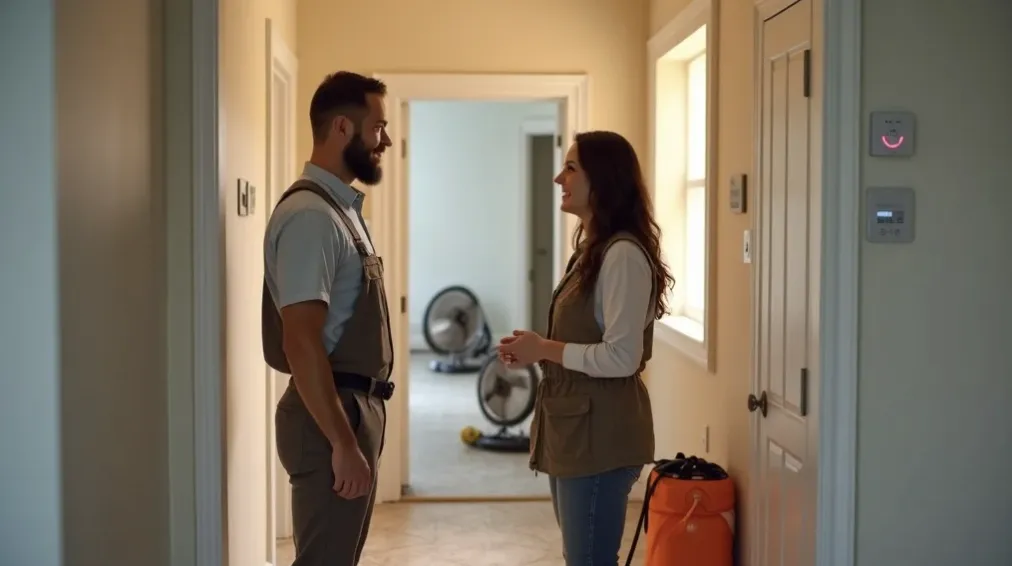
Frequently Asked Questions: Cleaning & Sanitizing After Water Damage
What is cleaning and sanitizing after water damage?
It is the process of removing dirt, debris, contaminants, and microorganisms from surfaces exposed to flood or leak water, restoring a safe and healthy living environment.Why is sanitizing important after flooding?
Flooding introduces harmful bacteria, mold, and chemicals. Sanitizing helps protect your health and prepares the home for full restoration.What is the difference between cleaning, sanitizing, and disinfecting?
Cleaning removes dirt and residue. Sanitizing lowers microbial presence to safer levels. Disinfecting destroys specific harmful microorganisms with approved products.Is flood water considered contaminated?
Yes, always consider flood water contaminated due to potential pathogens, debris, and chemicals. Use appropriate PPE and consult professionals for cleanup.What areas require cleaning after water damage?
Any surface that encountered water: flooring, walls, furniture, fixtures, HVAC system, and hard-to-reach places such as wall cavities if saturations occurred.Can homeowners perform flood cleanup themselves?
For minor leaks and clean water incidents, homeowners can often manage with safety and proper methods. Professional restoration is required for extensive, gray, or black water events.How do professionals remove water damage odors?
Through deep cleaning, disinfection, air filtration, and industrial deodorization equipment that target the source of odors instead of masking them.Are antimicrobial treatments always required?
Not always—only when contamination is confirmed or based on material, water type, and health recommendations.What happens after cleaning and sanitizing?
Final inspection, air quality testing, necessary repairs, and clearance for safe occupancy or rebuilding.When should a professional restoration company be contacted?
For large-scale, black water, sewage, visible mold, or structural issues—or if odors persist after initial cleaning.
Ready to Safeguard Your Property?
If you’re interested in a broader perspective on protecting your home from future incidents, our water damage prevention tips offer proactive strategies to minimize risk and maintain a healthy environment year-round. By understanding both restoration and prevention, you’ll be better equipped to safeguard your property and avoid costly repairs down the line. Explore these expert recommendations to take your home’s resilience to the next level and ensure peace of mind, no matter what the weather brings.
Short animation: Professional water damage cleaning & sanitizing workflow, assessment, cleanup, drying, odor control, inspection.
S. Raj, M.D. /Bestwaterdamageusa.com
Director, Search Intelligence University/IABLEd
International Association for Business Leaders’ Education
Sources
Water Damage Restoration Performance Institute
The Definitive Curriculum for Water Damage Restoration, Mitigation, and Business Excellence.
Mitigare. Restituere. Protegere.
Mitigate. Restore. Protect.
Want Your World to Discover You,
the Easy Way?
Build your expertise in water damage restoration and unlock opportunities in the restoration industry.
We provide industry-focused education, practical training, and expert guidance to help you develop the knowledge and hands-on skills needed to excel in the fast-growing water damage restoration sector. Ask us how.
Copyright 2026. BEST WATER DAMAGE RESTORATION. All Rights Reserved.

* * * * *
COMPANY
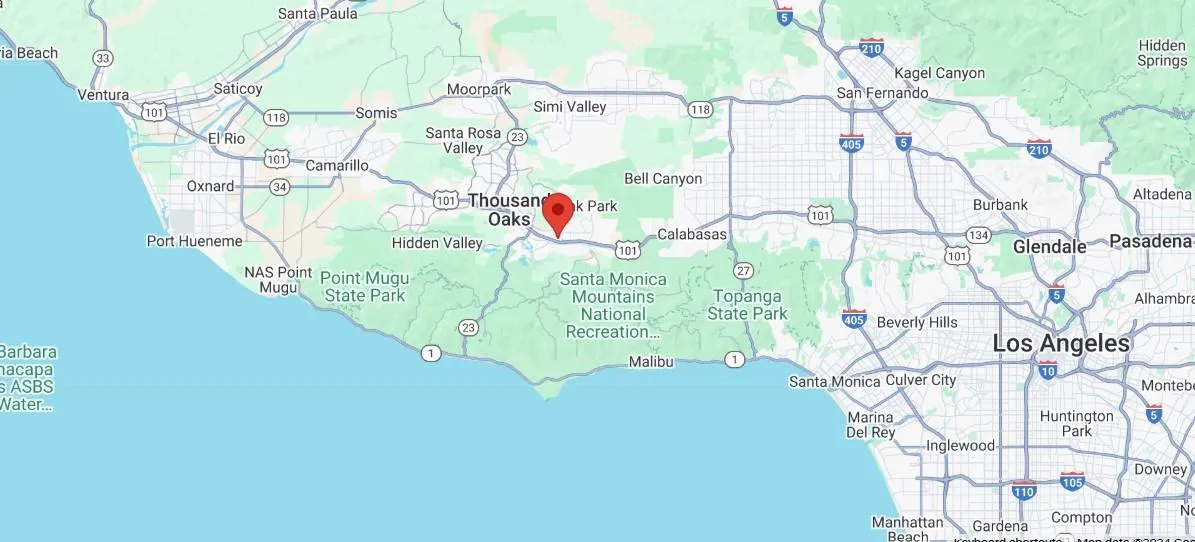
30721 Russell Ranch Rd Suite 140, Westlake Village, CA 91362
CUSTOMER CARE
Get In Touch
Mon – Thurs
10:00am – 4:00pm
Fridays by Appointment
Saturday, Golf
Sunday –hurch
LEGAL
Stay informed about how new technology can make or break a brand.
FOLLOW US


Restore. Protect. Recover.
© 2026 Water Damage Restoration Intelligence Academy | All Rights Reserved.
1. Water Damage Restoration Foundations
2. Water Mitigation, Assessment & Safety
3. Restoration Procedures & Project Planning
4. Advanced Drying Technologies & Moisture Management
5. Restoration Maintenance, Quality Control & Operations
6. Bonus Restoration Masterclass Series